
Iran Hangs Mehdi Rassouli, Mohammad Reza Miri, and Ebrahim Dolatabadi Over Mashhad Protests
Key Takeaways
- Iran hanged Mehdi Rassouli, Mohammad Reza Miri, and Ebrahim Dolatabadi over January protests.
- Three men were convicted for involvement in anti-government protests in January.
- Rights groups describe the executions as part of a broader crackdown on protests.
Three men hanged in Mashhad
Iran executed three men after authorities said they were convicted over involvement in anti-government protests that rocked the country in December and January, with the Iranian judiciary’s Mizan website announcing the hangings on Monday.
The men named across multiple reports were Mehdi Rassouli, Mohammad Reza Miri, and Ebrahim Dolatabadi, all tied by the judiciary to unrest in the eastern city of Mashhad.
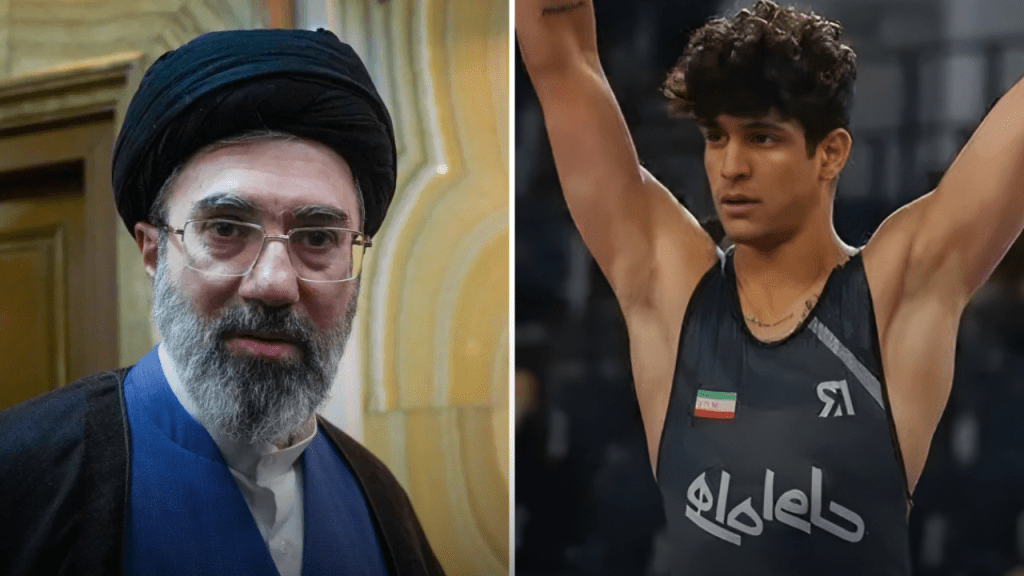
VOI.id reported that “Mehdi Rassouli and Mohammad Reza Miri, Mossad agents involved in the January riots in Mashhad (northeast), responsible for widespread violence and the death of a member of the security forces, have been hanged,” and it added that “Ebrahim Dolatabadi, one of the main instigators of the riots in Mashhad that killed several members of the security forces, was also hanged.”
CBS News likewise quoted Mizan Online saying “Mehdi Rassouli and Mohammad Reza Miri, Mossad agents involved in the January riots in Mashhad (northeast), responsible for widespread violence and the death of a member of the security forces, were hanged,” and it said the court accused the men of “using Molotov cocktails and bladed weapons, inciting and encouraging others to kill, and directly participating in the murder of a security officer.”
The Guardian described the same three names—Mehdi Rassouli, Mohammad Reza Miri and Ebrahim Dolatabadi—as “executed after being convicted over unrest in the eastern city of Mashhad in January,” and it said Mizan “did not specify when or where they were executed.”
Arab News reported that HRANA said Rassouli, 25, and Miri, 21, were “hanged at dawn on Sunday at the Vakilabad Prison in Mashhad,” while also noting that it was “not specified when or where they were executed” by Iranian authorities.
In parallel, International Business Times said Iran Human Rights stated that “at least 17 people who were arrested during the protests have been executed,” and it cited state media Tasnim as confirming the deaths of “Ebrahim Dolatabadinejad, Mehdi Rasouli, and Mohammadreza Mir.”
Protests, war, and the crackdown
The executions were linked in the reporting to protests that began in December over the cost of living and intensified into nationwide unrest in January, with multiple outlets describing how the protests peaked on specific nights.
Arab News said the protests “began in December sparked by grievances over the cost of living but intensified into nationwide rallies against the Islamic republic, peaking as mass demonstrations on the nights of January 8 and 9.”

VOI.id similarly said the wave of protests “peaked in January” and that it “began peacefully before turning into 'riots instigated by foreign forces.'”
Several reports connected the timing of the executions to a broader regional war that began after a US-Israeli attack on February 28, with VOI.id stating that arrests and executions “have increased since the start of a regional war sparked by the US-Israeli attack on February 28.”
CBS News echoed that framing, saying arrests and executions “have been on the rise since the start of the triggered by a U.S.-Israeli attack on Feb. 28.”
International Business Times added that the protests “culminated in the second week of January when the regime severed internet access and launched a brutal crackdown,” and it described estimates of protesters killed by the regime in January “fluctuated between 7,000 and more than 36,000.”
The BBC described the protests as occurring in “Dey 1404 (January 2026)” and said human rights organizations and independent sources reported “mass killings, suppression, and widespread arrests of protesters in Iran,” while authorities described them as “riots” and said security and judicial measures were taken in response to “violence, the destruction of public property, and the disruption of public order.”
Within that crackdown narrative, BBC reporting also cited Tasnim News Agency on 26 Dey saying “by that time 3,000 people, whom the agency described as 'members of terrorist groups,' had been arrested,” while HRANA reported by 16 Bahman that “the number of recent arrests stood at 50,932.”
Voices: judiciary, rights groups, and families
The executions triggered sharply different interpretations from Iranian state-linked sources and international rights advocates, with multiple named figures offering direct statements.
“Home News Business Energy Opinion Lifestyle Sports Video Podcast Home News Business Energy Opinion Lifestyle Sports Video Podcast Close the sidebar Home News Middle East A general view shows the Iranian capital Tehran on January 7, 2023, with the Iranian flag fluttering in the wind”
VOI.id said the Iranian judiciary’s Mizan website described the accused as “Mossad agents” and stated the court accused the two men of “using molotov bombs and sharp weapons, inciting and encouraging others to kill, and directly participating in the killing of a security officer,” while it said the Supreme Court confirmed the verdict.
Arab News reported that Norway-based NGO Iran Human Rights described the three as “political prisoners” who had been sentenced “after unfair trials in the Revolutionary Courts,” and it quoted Iran Human Rights director Mahmood Amiry Moghaddam warning that “Unless the political cost of these executions is raised through clear and strong international reactions, there is a serious risk of daily executions continuing in the weeks and months ahead.”
The Guardian likewise quoted Amiry-Moghaddam saying, “The international community, especially the European Union, must respond decisively to this ongoing wave of executions,” and it added that Amnesty International said, “not stand idly by while the Iranian authorities continue to escalate the arbitrary execution of political dissidents and protesters to instil fear.”
The BBC focused on the impact on detainees’ families and on due process, quoting Hadi Qaemi, executive director of the Center for Human Rights in Iran, saying: “After the mass killings of civilians, the Islamic Republic is now going from door to door in search of those who dared to protest. Tens of thousands have been arrested, and many protesters have been injured; they are at serious risk.”
In the same BBC account, the judiciary’s approach to trials was framed through statements attributed to Gholam-Hossein Mohseni-Eje’i, who said: “Those who cut people’s heads in the streets or burned people should be tried and punished as quickly as possible.”
BBC reporting also described the information vacuum after arrest, saying “what almost all families of detainees stress is absolute lack of information after arrest: no knowledge of where they are being held, no access to a lawyer, and no details about the charges or the progress of the cases have been announced.”
How outlets frame the same hangings
While all outlets reported that Iran executed three men tied to January unrest in Mashhad, they diverged in how they described the legal basis, the execution details, and the broader meaning of the killings.
The Guardian said Mizan “did not specify when or where they were executed,” while Arab News reported that HRANA said Rassouli, 25, and Miri, 21, were “hanged at dawn on Sunday at the Vakilabad Prison in Mashhad.”

VOI.id emphasized the judiciary’s narrative that the protests turned into “riots instigated by foreign forces,” and it also said the court accused the men of “using molotov bombs and sharp weapons” and “directly participating in the killing of a security officer.”
CBS News similarly quoted Mizan Online but used a different phrasing for the weapons, saying the court accused the men of “using Molotov cocktails and bladed weapons,” and it described Dolatabadi as “one of the main instigators of the riots in Mashhad that claimed the lives of several members of the security forces.”
International Business Times framed the executions as part of a continuing campaign, stating that “Iran has executed three more men who were arrested during the January protests” and that “So far, at least 17 people who were arrested during the protests have been executed,” while it also cited Iran Human Rights saying Tehran executed “21 people, including 11 protesters, in the last 45 days.”
The BBC did not focus on the three names in detail but instead described the wider crackdown during “Dey 1404 (January 2026),” including the claim that “arrests that, according to reports reaching the media, are continuing,” and it provided figures such as “HRANA reported by 16 Bahman that the number of recent arrests stood at 50,932.”
In contrast, IranWire and other outlets discussed due process concerns and the absence of details about judicial proceedings, with IranWire stating that “Officials have not released any details about the judicial proceedings, whether the defendants had access to independent legal counsel, or if they were able to properly defend themselves in court.”
What comes next and what’s at stake
The reporting portrays the executions as part of a broader escalation that rights groups say will continue unless international pressure changes, while other coverage highlights the scale of executions and the opacity of detention.
Arab News said executions had been carried out “on a near-daily basis in recent weeks,” and it quoted Iran Human Rights director Mahmood Amiry Moghaddam warning that “Unless the political cost of these executions is raised through clear and strong international reactions, there is a serious risk of daily executions continuing in the weeks and months ahead.”
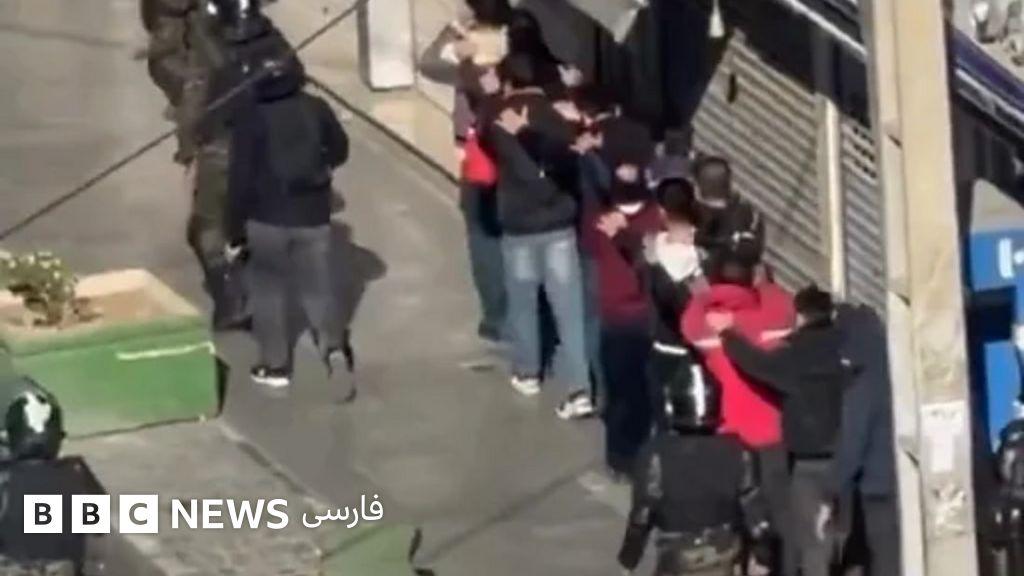
The Guardian similarly warned that “there is a serious risk of daily executions continuing in the weeks and months ahead,” and it added Amnesty’s May 1 statement that the international community must “not stand idly by while the Iranian authorities continue to escalate the arbitrary execution of political dissidents and protesters to instil fear.”
VOI.id reported that the government has acknowledged “more than 3,000 deaths in the protests” while blaming “terrorist acts” orchestrated by the United States and Israel, and it also said a man was executed on Sunday for his role in a killing during the 2022-2023 protests after the death of Mahsa Amini.
IranWire and other outlets tied the executions to concerns about due process and access to counsel, noting that “Human rights organizations have also not yet published independent reports on these specific cases.”
The BBC described how families of detainees face “absolute lack of information after arrest,” including “no access to a lawyer,” and it quoted Hadi Qaemi warning that “Tens of thousands have been arrested, and many protesters have been injured; they are at serious risk.”
Beyond the January unrest, other reporting in the set emphasized the broader execution environment: RFI said a joint annual report in Paris found that in 2025 “at least 1,639 people were executed in Iran,” and it quoted Mahmoud Amiry-Moghaddam saying authorities sought to prevent a new wave of protests by “instilling fear through daily executions—averaging 4 to 5 people per day in 2025.”
Finally, یورونیوز reported that UN Special Rapporteur Ms. Sato wrote in a report published on March 9, 2026 that the Islamic Republic “executed at least 100 people in January 2026 alone,” and it said Mohseni-Eje’i’s directive was to “speed up” executions, while adding that “since the start of the war between the United States and Israel against Iran, which began on February 28, at least 14 prisoners have been executed on political and security charges.”
More on Iran
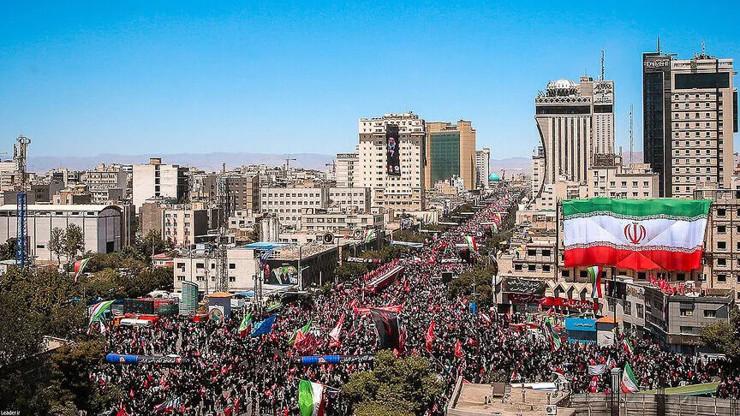
Israeli Strike Kills Ayatollah Ali Khamenei, Buried at Imam Reza Shrine in Mashhad
19 sources compared
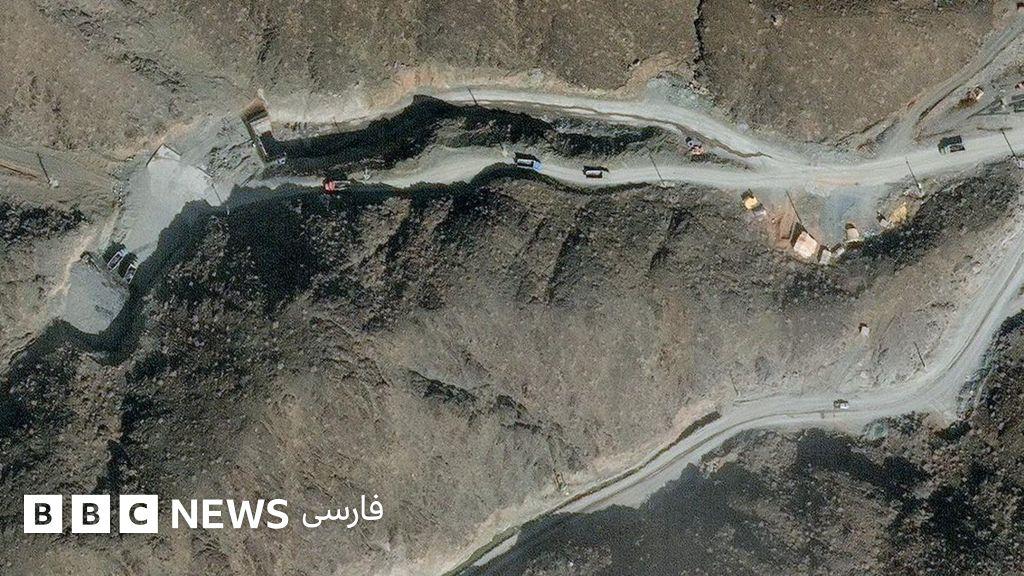
Iran Attempts To Restore Nuclear Sites Damaged In US And Israel Strikes, CNN Satellite Images Show
15 sources compared
Abbas Araghchi and Prince Faisal Bin Farhan Discuss Regional Developments After US Attacks
11 sources compared

Trump Says U.S. Agreed to Continue Iran Talks, Ceasefire Is Over
19 sources compared