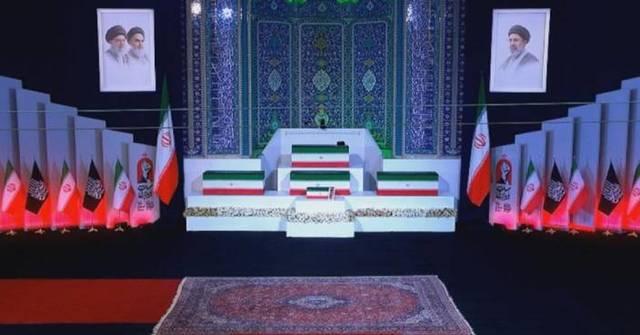
Iran Holds Multi-Day Funeral for Supreme Leader Ayatollah Ali Khamenei in Tehran After U.S. Israeli Attacks
Key Takeaways
- Weeklong funeral across Iran and Iraq; millions expected to attend.
- Killed in US-Israeli strikes at start of the war.
- Foreign delegations attend; Nasrallah family present; IRGC commander appears.
Funeral Amid War
Iran began a delayed, multi-day funeral for Supreme Leader Ayatollah Ali Khamenei in Tehran after he was killed in the opening salvo of U.S. and Israeli attacks on Tehran on Feb. 28.
“Starting on July 3, millions of mourners are expected to gather for seven days of funeral ceremonies and processions for Iran’s late Supreme Leader Ali Khamenei, with religious rites planned in cities across Iran and Iraq”
NBC News said Tehran’s mayor Alireza Zakani has said that up to 20 million people could show up for the sprawling funeral in the capital, citing the Young Journalists Club affiliated with Iranian state television.

The funeral’s schedule includes prayers and a viewing of Khamenei’s coffin planned for Saturday and Sunday at the Grand Mosalla in central Tehran, followed by a funeral procession through the streets of the capital on Monday.
The AP reported that Khamenei’s body will be on display at Tehran’s Grand Mosalla on Saturday and Sunday, then paraded through the streets of Tehran on Monday before being taken to Qom, some 120 kilometers (75 miles) to the south.
The Guardian described police roadblocks, stalls, posters and army vans appearing across Tehran in the small hours of Friday as millions of Iranians prepared for the long-delayed six-day funeral ceremony for Khamenei.
Security, Crowds, Messaging
Iran’s funeral organizers and officials framed the event as both religious and political, with the Guardian describing the scale as intended to relay “personal mourning, national power, resilience and social cohesion.”
The Guardian said Gen Ahmad Vahidi, the commander-in-chief of the Islamic Revolutionary Guard Corps (IRGC), broke cover for the first time since 8 February, and it also reported that Mohsen Rezaee cried openly while President Masoud Pezeshkian “shed a tear.”
In a separate warning, the Times of India reported that the Islamic Revolutionary Guard Corps warned against any attempts to target the country in the coming days ahead of the funeral of slain Supreme Leader Ayatollah Ali Khamenei.
The Times of India also said Iran’s Civil Aviation Organization told that the airspace over Tehran will be “completely closed” on Monday to facilitate the funeral procession.
The Guardian added that the context of an uncompleted war with the US and Israel poses security threats from terrorism and crowd control, and it cited the 1989 chaos around Khomeini’s burial as a reference point for fears of a similar stampede.
Stakes for the Regime
The funeral is also tied to Iran’s political struggle over succession and war aims, with NBC News saying Khamenei’s 56-year-old son Mojtaba was appointed the new supreme leader in March but has not been seen in public or even issued an audio statement since.
“Watch CBS News Copyright ©2026 CBS Interactive Inc”
NBC News reported that an Iranian official and a Middle Eastern diplomat told NBC News that Mojtaba is not expected to attend his father’s funeral, and it said he suffered severe injuries including burns to his face and body and injuries requiring several surgeries to one of his legs.
The Guardian said the true test comes over the next three days as ordinary Iranians are asked to come to show their respects not just to a leader, but to the Islamic Revolution, and it described the ceremony as a test for Iran’s battered theocracy.
AP News similarly said the funeral will serve as a test for Iran’s battered theocracy and its ability to summon a mass show of support, while noting that a large turnout could raise the risk of deadly stampedes.
In the background of the ceremonies, AP News reported that an interim deal reached in June created a 60-day window to negotiate terms of a final deal to end the Iran war, including the issues of Iran’s nuclear program and the Strait of Hormuz.
More on Iran
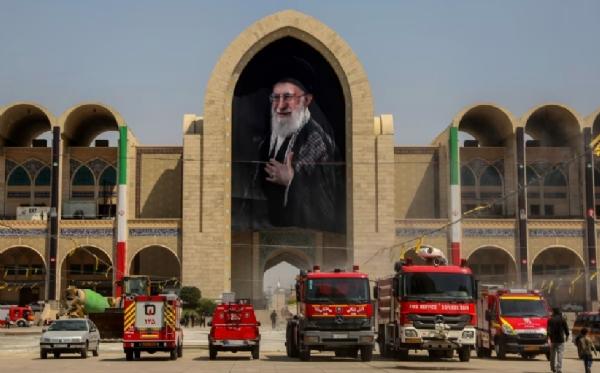
Iran Begins Weeklong Funeral for Ayatollah Ali Khamenei as Mojtaba Khamenei Skips Events
22 sources compared
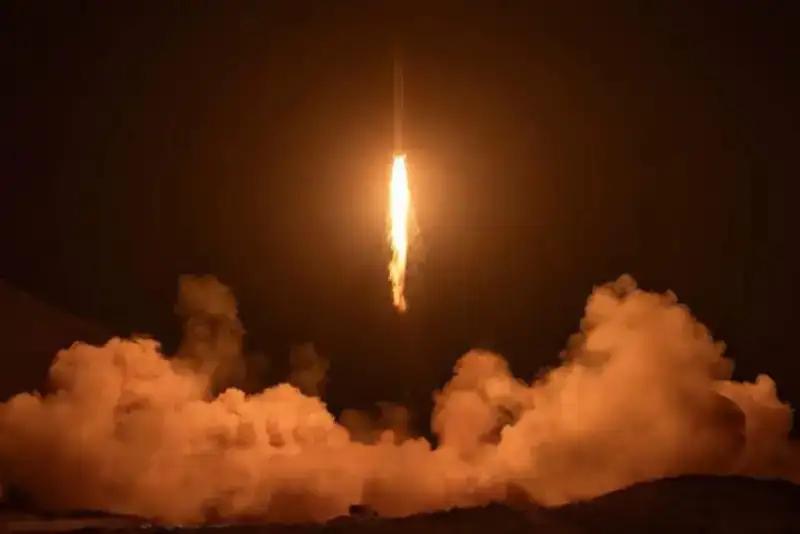
IRGC Missile And Air Strikes Hit U.S. Bases In Kuwait And Bahrain, CENTCOM Confirms
13 sources compared
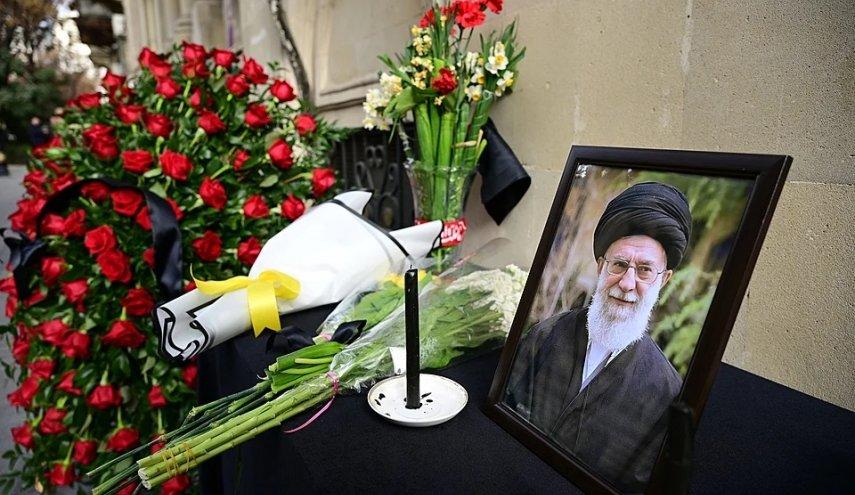
US Warned Iran Israel Could Assassinate Abbas Araghchi And Mohammad Baqer Qalibaf
13 sources compared
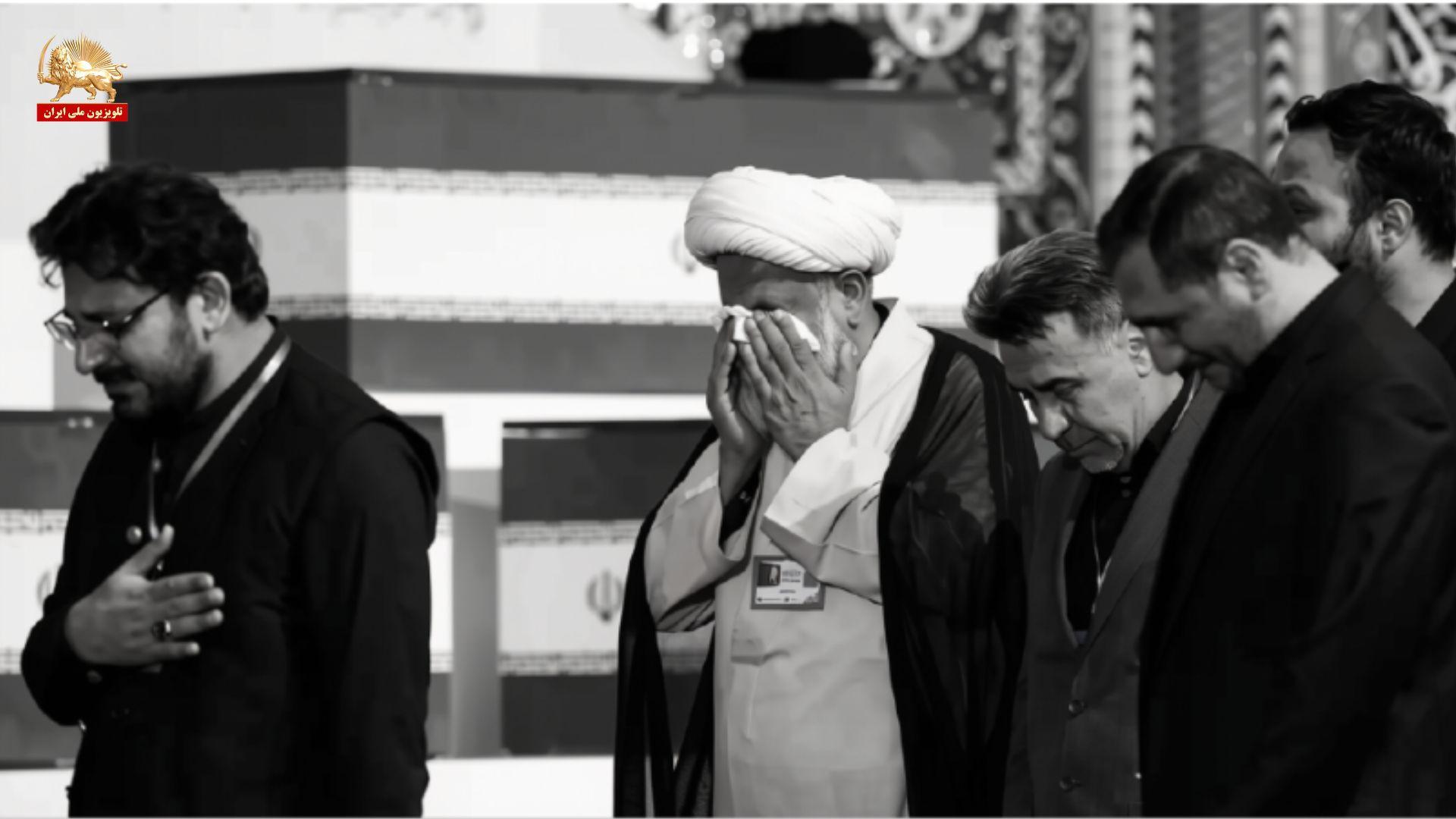
Iran Holds Ayatollah Ali Khamenei Funeral in Tehran as China, Belarus, Iraq Arrive
28 sources compared