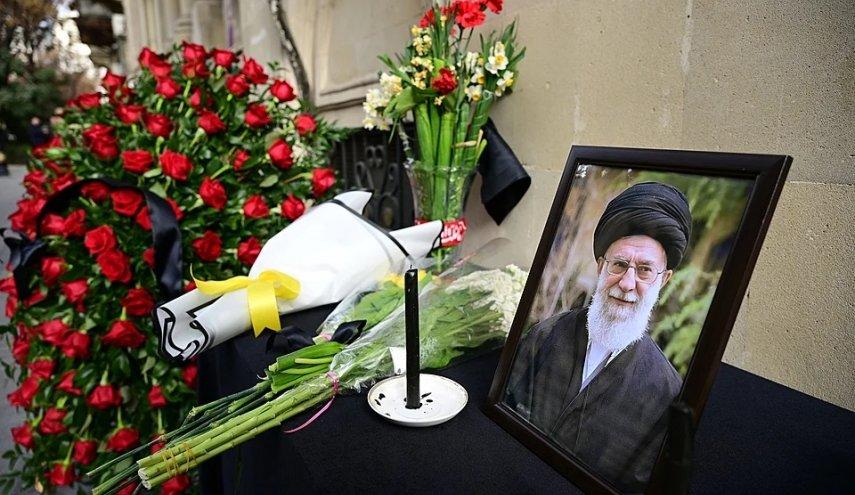
US Warned Iran Israel Could Assassinate Abbas Araghchi And Mohammad Baqer Qalibaf
Key Takeaways
- US warned Iran that Israel could assassinate top Iranian negotiators Araghchi and Qalibaf.
- Warning relayed through intermediaries in April, CNN citing US officials.
- Araghchi and Qalibaf lead talks to end the war and reopen the Strait of Hormuz.
Assassination warnings
US officials reportedly warned Iran that Israel could assassinate top Iranian negotiators amid efforts to end the war and reopen the Strait of Hormuz, with CNN reporting on Friday that Washington relayed the warning through intermediaries in April.
“Trending: Khamenei funeral US-Iran talks FIFA World Cup 2026 Europe heatwave Taylor Swift wedding Close the sidebar Ali Khamenei funeral: Indian delegation pays tribute in Tehran ahead of final farewell FP News Desk _•_ July 3, 2026, 13:29:38 IST Minister of State for External Affairs Pabitra Margherita and Bihar Governor Syed Ata Hasnain represented India at tribute ceremonies in Tehran ahead of the late Iranian Supreme Leader’s state funeral Advertisement Ad”
The warnings, as described by PressTV and The Times of India, focused on Parliament Speaker Mohammad Baqer Qalibaf and Foreign Minister Abbas Araghchi, with the Times of India adding that a US official told The Washington Post, "You kill those folks and you're killing the pragmatists."

PressTV said the officials claimed there was no indication US intelligence had uncovered a specific or imminent Israeli plot, while The Times of India said the concern was so serious that the United States asked intermediaries to warn Tehran this spring.
The Hill reported that Ali Abdollahi, commander of Khatam al-Anbiya Central Headquarters, warned the U.S. and Israel to avoid any miscalculation and to think about the harsh retaliation our armed forces would make to any threat and aggression against our country.
In the same reporting stream, The Hill said the funeral of Ayatollah Ali Khamenei is to be buried July 9 following days of ceremonies, as Iranian officials negotiate with U.S. officials over the opening of the Strait of Hormuz and ending hostilities.
Funeral route and officials
As Iran prepares for a week of funeral ceremonies for Ayatollah Ali Khamenei, Firstpost reported that an Indian delegation including Minister of State for External Affairs Pabitra Margherita and Bihar Governor Lt Gen (Retd) Syed Ata Hasnain paid tribute in Tehran ahead of the multi-day state funeral.
Firstpost said the initial state mourning rituals commenced at the Imam Khomeini Grand Mosalla Complex in Tehran, where the casket containing the late leader’s mortal remains has been placed for international guests and dignitaries to offer condolences.

The Times of India and PressTV both framed the funeral amid heightened tensions with Israel, while The Hill said the funeral is expected to draw massive crowds of Shiite Muslims across Iran, Iraq, Lebanon and Pakistan.
Al Jazeera described a farewell map that spans an entire week, beginning in Tehran and passing through Qom, Najaf and Karbala in Iraq before ending in Mashhad at the shrine of Imam Reza on July 9.
Al Jazeera also said Iranian media quoted the organizing committee as saying that representatives from more than 90 countries announced their willingness to participate in the funeral ceremonies.
Netanyahu denial and stakes
The New York Times reporting described US officials believing Israel might have targeted Foreign Minister Abbas Araqchi and Mohammad Baqer Qalibaf during talks, but Radio Free Europe/Radio Liberty said Netanyahu’s office denied the story, calling it "fake news" and "A complete fabrication of reality."
“Ali Nikzad said on Friday that more than 45 high-ranking foreign delegations had entered Iran, 12 of them at the parliamentary level”
Radio Free Europe/Radio Liberty also said Israel assassinated dozens of Iranian military and political leaders, including the late Supreme Leader Ayatollah Ali Khamenei, in the first few weeks of the war that started on February 28.
PressTV reported that Tehran and Washington signed a memorandum of understanding on June 18, ending the 40-day US-Israeli war against Iran, while PressTV also said Iranian officials warned any attack on the country’s leadership or people would trigger an "immediate and powerful" response.
Radio Free Europe/Radio Liberty reported that the Strait of Hormuz was effectively blocked by Iran in response to the US and Israeli air strikes beginning on February 28, and said the shipping lane has been reopened as part of a now-fragile cease-fire between Iran and the US.
The Hill said Vice President Vance told reporters, "The President’s not going to send our military back in unless he has to," linking the negotiations to whether Iran continues to attack commercial shipping in the waterway and continue its nuclear program.
More on Iran
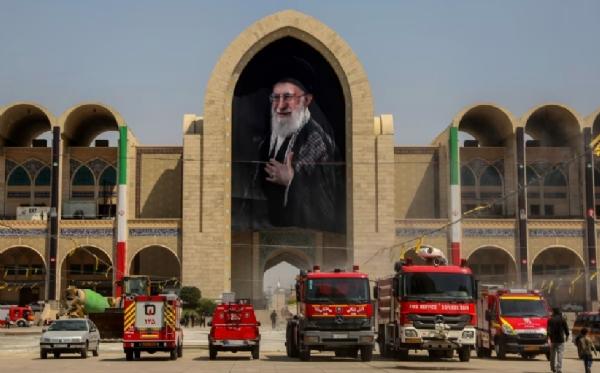
Iran Begins Weeklong Funeral for Ayatollah Ali Khamenei as Mojtaba Khamenei Skips Events
22 sources compared

IRGC Missile And Air Strikes Hit U.S. Bases In Kuwait And Bahrain, CENTCOM Confirms
13 sources compared
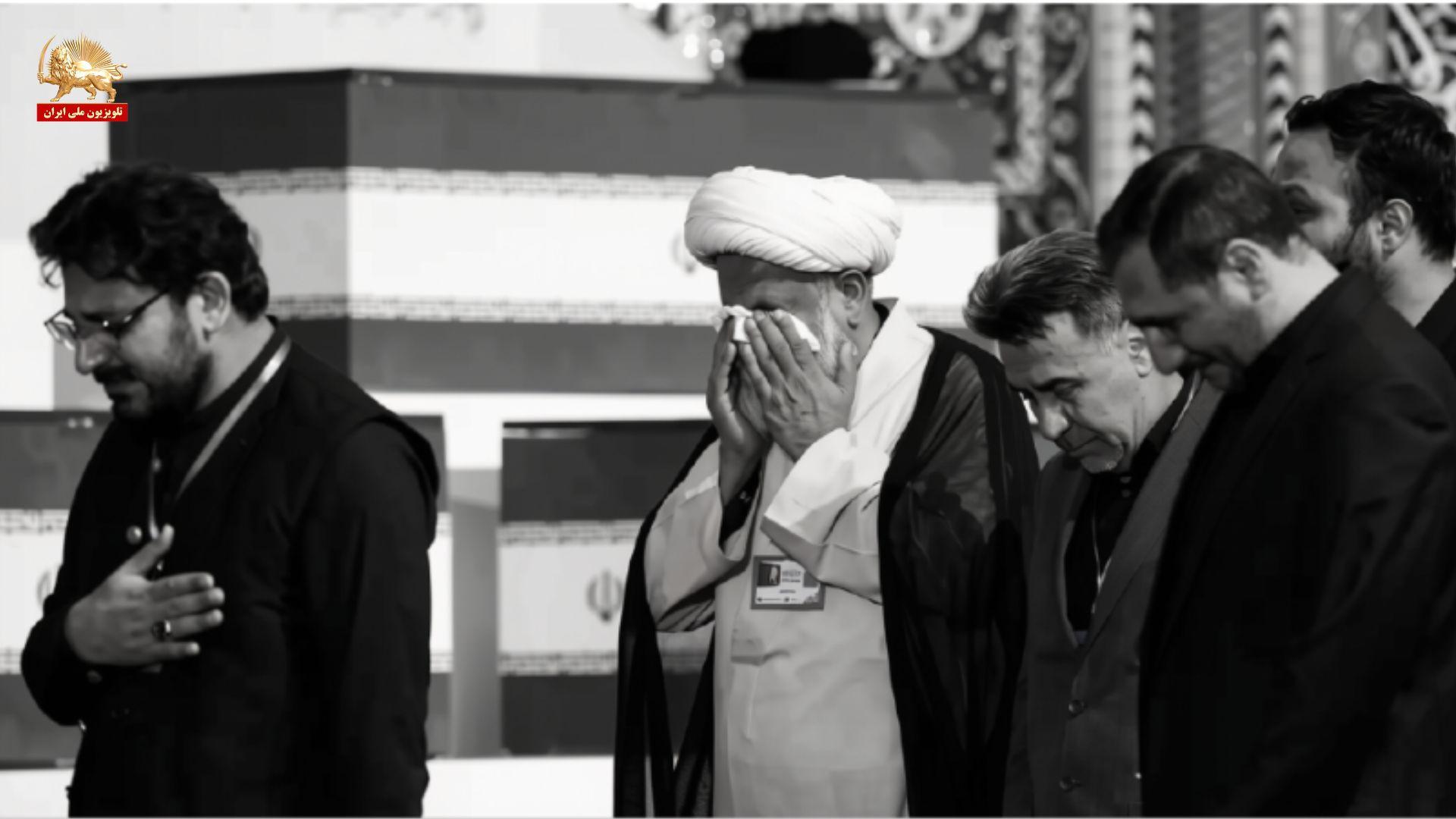
Iran Holds Ayatollah Ali Khamenei Funeral in Tehran as China, Belarus, Iraq Arrive
28 sources compared
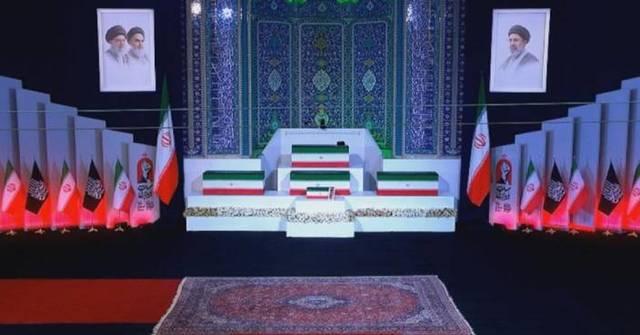
Iran Holds Multi-Day Funeral for Supreme Leader Ayatollah Ali Khamenei in Tehran After U.S. Israeli Attacks
21 sources compared