Iran04 June, 20263 min read
Iran Kills One, Injures Dozens in Drone and Missile Attack on Kuwait International Airport
This article is an automated aggregation of coverage from news outlets. Our editorials offer in-depth analysis curated by the NewsCord team.
Iranian drone and missile strike hits Kuwait International Airport, killing one and injuring dozens. Terminal damage prompted temporary airport closure and flight suspensions; authorities released CCTV footage.
Ynetnews was read line by line by the Watchdog: 4.6. See the score →
Kuwait airport hit
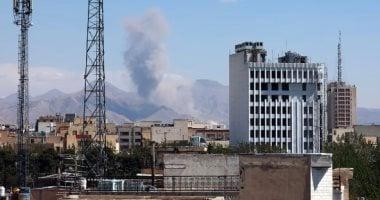
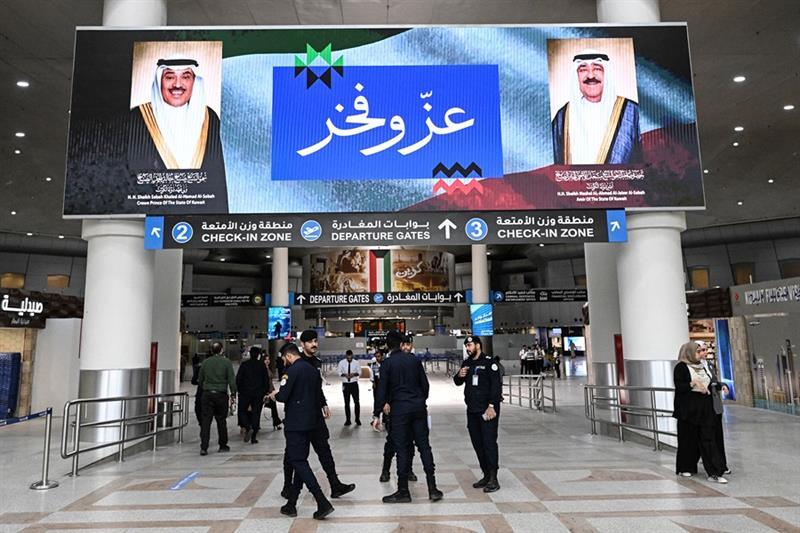
Iran launched drones and missiles that hit Kuwait International Airport, killing one person and injuring dozens, as Kuwait’s Ministry of Health reported 63 injuries and seven urgent major surgeries. The BBC reported that the Islamic Revolutionary Guard Corps denied targeting Kuwait International Airport and said investigations showed its forces did not fire missiles at the airport. The IRGC spokesperson Hossein Mahbabi said investigations showed “our forces did not fire missiles at Kuwait International Airport,” and that a Patriot-type missile fell on the airport after failing to intercept Iranian missiles.
CENTCOM dismissed the IRGC statements, saying Iran struck a civilian airport with drones in a “deliberate, calculated, and unjustified attack,” while Iran had fired two missiles at Kuwait and three at Bahrain, all of which were intercepted, according to CENTCOM. Kuwaiti civil aviation authorities resumed flights at Kuwait International Airport after assessing damage and taking necessary safety measures, and the identity of the lone victim was confirmed to be an Indian national, prompting condemnation by India’s Foreign Ministry.
Blame and counter-blame
Kuwait released surveillance footage and described the attack as Iranian, while Iran’s IRGC denied responsibility and claimed the damage was caused by an error in American Patriot systems. The NDTV report said Kuwait’s General Directorate of Civil Aviation published the clip on X showing the first moments of what authorities called a “brutal Iranian aggression,” and it quoted the post accompanying the video about “loss of life, severe human injuries, and extensive material damage.” Le Monde reported that IRGC spokesman Hossein Mohebi said, “the destruction of the Kuwait airport passenger terminal was caused by an error in the American Patriot systems,” after the system “landed on the terminal after failing to intercept Iranian missiles.”
The BBC said the Kuwaiti Foreign Ministry summoned the Iranian chargé d’affaires and delivered a formal protest note, and it also reported that the Foreign Ministry deemed two members of the Iranian diplomatic mission undesirable and demanded they leave Kuwait within 24 hours. The Washington Post described the U.S. and Iran trading strikes overnight, saying U.S. forces targeted Qeshm Island and Iran fired missiles and drones at Bahrain and Kuwait, killing one person and causing significant damage to Kuwait International Airport.

Ceasefire pressure and fallout
The attack on Kuwait International Airport came as the ceasefire between Iran and the U.S. looked increasingly fragile, with the CBS News account tying the renewed Israel-Lebanon ceasefire to Iran launching a deadly attack on Kuwait airport. CBS News said Iran’s foreign minister Abbas Araghchi warned that any Israeli attack on Beirut would trigger a “full-scale resumption” of the conflict, while he also said “no tangible progress” had been made in negotiations to end the Middle East war. In Kuwait, Kuwait’s Defense Ministry described the attack as “criminal Iranian aggression,” and the BBC reported that Kuwait’s Ministry of Foreign Affairs said diplomatic buildings were damaged as a result of the Iranian attack.
The Guardian reported that Kuwait’s military said Iranian strikes on the airport’s terminal killed at least one person and injured 63 others, and it said the attack marked the first deadly attack in the Gulf since a ceasefire came into effect on 8 April. The BBC also reported that Kuwait’s Health Ministry spokesman Abdullah Al-Sand said the country’s health system remains on full alert around the clock, and authorities said they were taking approved measures to ensure the continuity of education and to protect students and staff under exceptional circumstances.