Full story
Jordan Base Strike
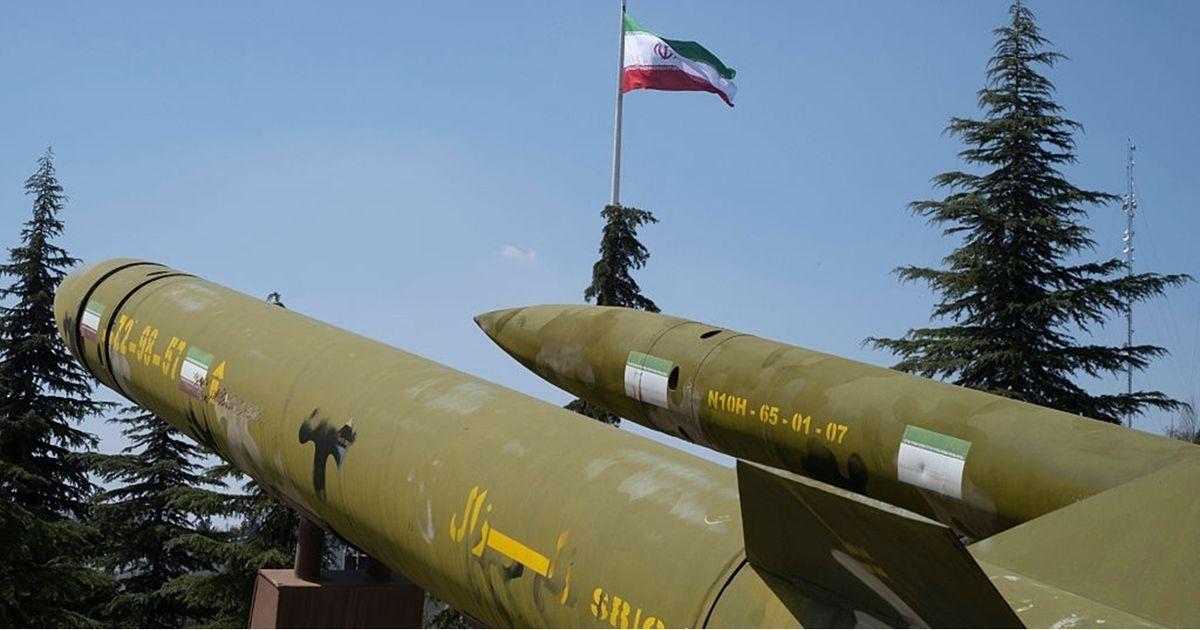
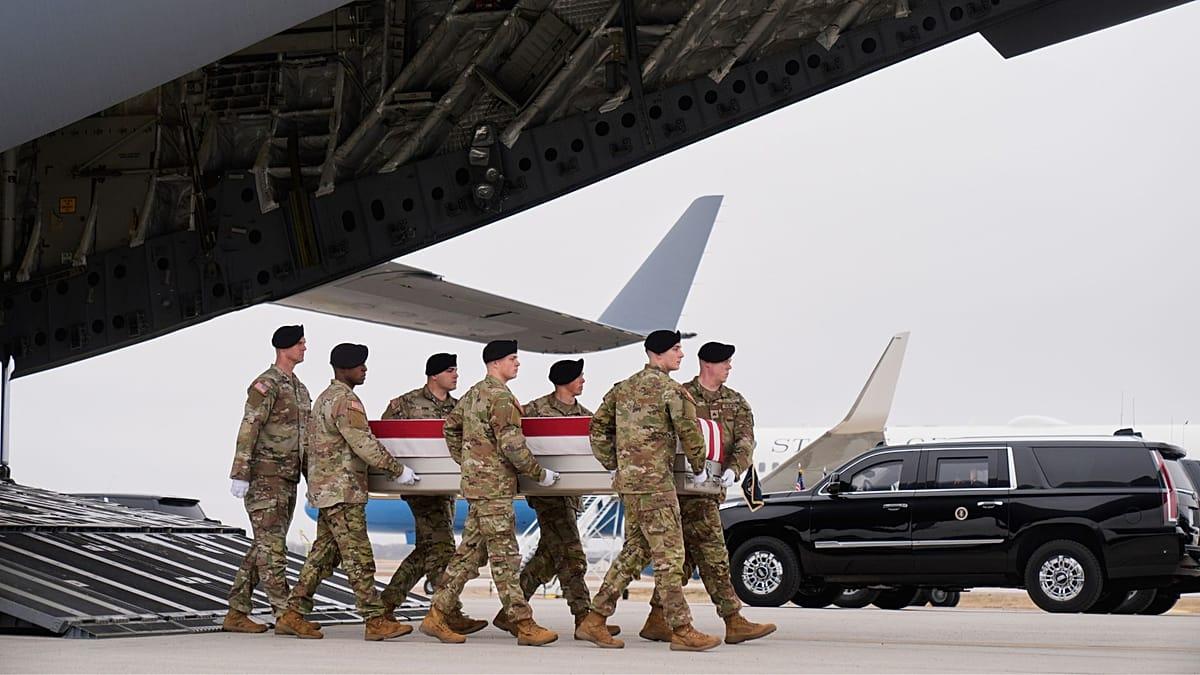
Iran launched ballistic missiles and drones that killed two American service members and left one missing after the attack hit Muwaffaq Salti Air Base in Jordan, according to U.S. Central Command as reported by the BBC.
CENTCOM said four other American service members were medically evacuated to Jordan hospitals and have since been discharged, while other personnel sustained minor injuries and returned to duty.
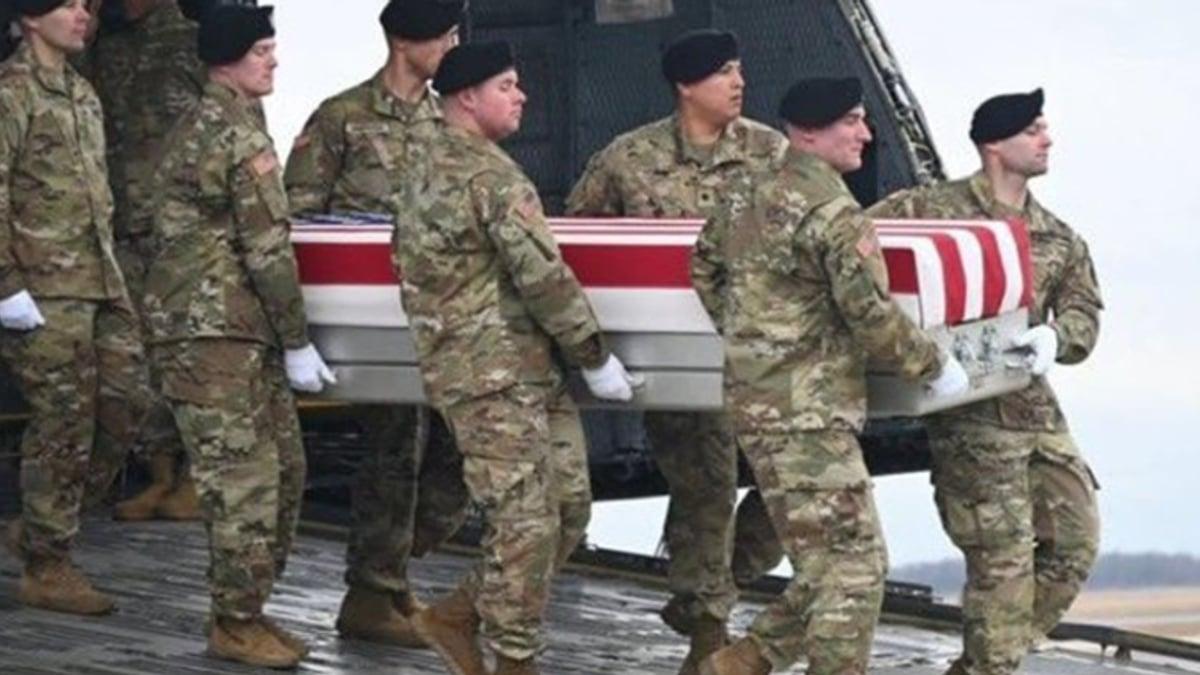
The BBC reported that U.S. military officials withheld identities and details about the circumstances or location of the incident, and that the deaths followed a week of renewed hostilities after Washington reimposed its blockade of Iranian ports and Tehran declared the Strait of Hormuz closed.
The BBC also said Iran’s Supreme Leader Mojtaba Khamenei warned in a written statement that America’s "repeated breaches" of the agreement had "laid bare a fundamental truth: the signature of the US president is utterly worthless and devoid of credibility."
In a separate account, Air & Space Forces Magazine said the troops were killed as U.S. and partner forces “defended against Iranian ballistic missile and drone attacks,” and that video circulating on social media appeared to show ballistic missiles impacting the base.
Officials, Claims, and Warnings
In Washington, Defense Secretary Pete Hegseth responded to the announcement of the deaths, writing on X, "Godspeed, heroes. Their sacrifice only stiffens our resolve."
The BBC reported that Jordan’s military earlier said it had intercepted 10 Iranian missiles fired into its airspace overnight, without reporting any damage.
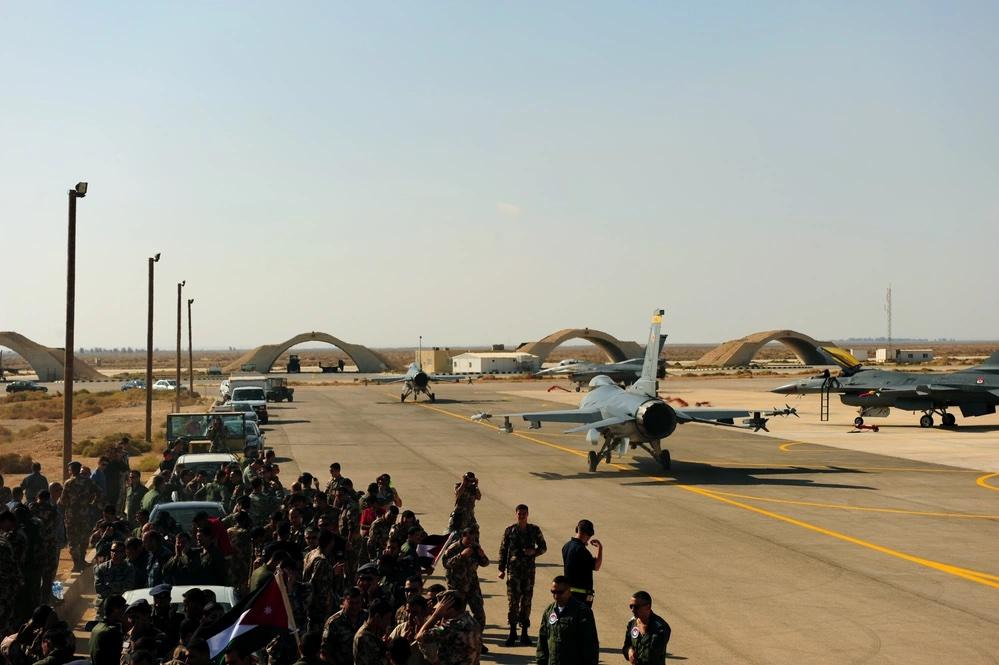
Iran’s Islamic Revolutionary Guard Corps claimed it destroyed at least two U.S. fighter aircraft early on Saturday on Al-Azraq base in Jordan, according to BBC reporting that CENTCOM declined to add further details.
CNN reported that the U.S. military began launching new airstrikes against Iran to “swiftly punish” it for killing American service members, while CNN also said the IRGC claimed to “completely destroy” several aircraft in the attack.
The New York Times was cited in Al Jazeera’s report as saying the soldiers’ deaths likely resulted from Iranian ballistic missiles fired in a dense volley targeting a military base in Jordan, and that a single missile penetrated the air defenses of both the United States and Jordan after several missiles were shot down.
Escalation and Regional Fallout
The BBC said the incident came as the conflict between the U.S. and Iran intensified after an interim ceasefire collapsed, with Iran declaring the Strait of Hormuz closed and Washington reimposing its blockade of Iranian ports.
NPR reported that 16 U.S. service members have been killed and more than 430 wounded since the war with Iran began, and it linked the latest escalation to broader concerns that there could be an all-out war amid fighting for control over the Strait of Hormuz.
NPR also said Iran’s Supreme Leader Mojtaba Khamenei warned the U.S. it would face "unforgettable lessons" if it continued its attacks, while it added that Iran has closed the strait and the U.S. military said it has reinstated a naval blockade of Iran.
NewsNation reported that Iran’s deputy foreign minister Kazem Gharibabadi said the U.S. had “violated all the commitments and suspended the MoU entirely,” as the U.S. Central Command announced its latest round of airstrikes began at 6 p.m. Eastern to “swiftly punish Islamic Revolutionary Guard Corps forces who launched attacks against American service members in Jordan last night.”
In the Guardian’s account, Maj Gen Mohsen Rezaee said Tehran will resume “full-scale offensive operations” if U.S. strikes continue for another two or three days, and he warned that “no political border will be safe,” as the region’s air defenses and infrastructure concerns intensified.