Full story
Missiles toward Aqaba
Iran launched ballistic missiles toward Jordan near the border with Israel, and Israeli forces intercepted the attack aimed at the Jordanian city of Aqaba, with the IDF using Iron Dome to shoot down fragments after the US Aegis system had already been used to shoot down the primary missile warhead.
“In short: The Israeli military says it has identified missiles launched from Iran towards the Jordanian city of Aqaba, adjacent to Israeli territory”
The Jerusalem Post said interceptor fragments fell in an open area near, but not in, Eilat, and it reported no casualties or damage caused, while an IDF source told the Post that no missile fragments fell within Israeli territory despite media reports to the contrary.
Jordanian state media reported that Jordan’s military intercepted three missiles, with the Iranian attack resulting in no casualties or damage, and the Jerusalem Post said the IDF issued a warning to southern areas near the border with Jordan to enter safe areas if fragments fell in Israel.
Haaretz framed the episode as part of a wider escalation, writing that the killing of two American soldiers and the wounding of others by an Iranian missile launched at a U.S. base in Jordan “doesn’t leave Donald Trump with much choice.”
Threats and diplomacy
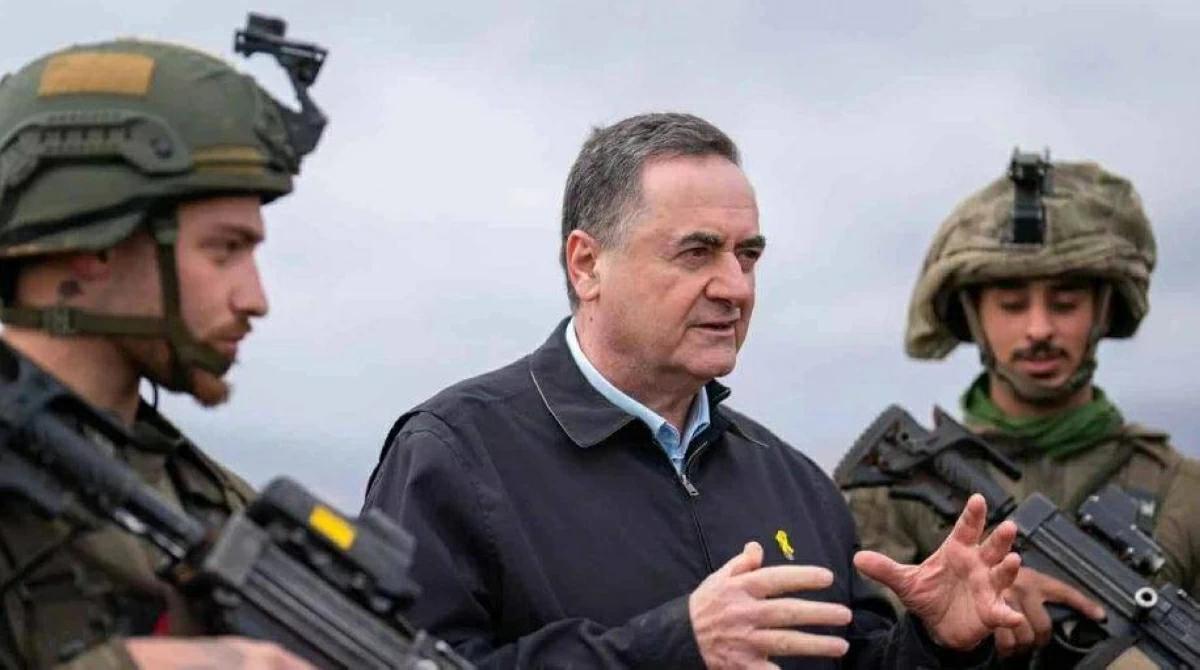
Israel’s defence minister Israel Katz vowed retaliation if Iran fired missiles at Israel, telling reporters during a visit to a rescue service facility, “If Iran fires missiles at Israel, we will attack them with full force,” and he added that the country was prepared for both defensive and offensive action against Tehran.
The Guardian echoed the same warning, quoting Katz saying, “If Iran fires missiles at Israel, we will attack them with full force,” and it described the threat as raising the risk of a return to an all-out regional war.

Jordan summoned Iran’s Chargé d’Affaires in Amman over what its foreign ministry called “the continuation of Iran's brutal and unjustified attacks,” stating that Iran’s attacks represent a flagrant violation of Jordan's sovereignty and “a blatant breach of international law and the United Nations Charter.”
In parallel, the Jerusalem Post reported that Jordan’s military intercepted three missiles and that the IDF confirmed no casualties or damage, while it also noted that the military was reviewing whether some shrapnel fell within Israeli territory.
What comes next
The Guardian linked the missile episode to a broader collapse of restraint, saying the ceasefire brokered by Donald Trump was under strain as Iran launched salvoes of ballistic missiles at US-allied Arab states, including a power and water desalination plant for the second time in two days in Kuwait.
“Gift this articleShare to FacebookPrint article Article printing is available to subscribers only Print in a simple, ad-free format Subscribe Comments: SaveZen Reading Zen reading is available to subscribers only Ad-free and in a comfortable reading format Subscribe”
It also reported that Trump told a US media outlet he “couldn’t care less” about Iran’s repudiation of his ceasefire agreement, while US Central Command said it concluded an eighth day of strikes targeting Iran’s “military coastal surveillance and air defence facilities, maritime capabilities, and missile and drone storage sites.”
The Guardian further said Jordan summoned Iran’s chargé d’affaires in Amman over what it called “unjustified and blatant Iranian attacks” and “provocative and inflammatory statements targeting the kingdom’s territory,” tying the diplomatic step directly to the missile campaign.
In the same account, the Guardian quoted the US president’s post that “The gates of HELL have now been UNLEASHED like they never could have imagined or seen before,” and it described how the escalation followed the deaths of two US soldiers in Iranian strikes on a Jordanian airbase on Friday.