Iran30 March, 20262 min read
Iran Launches Missiles Toward Kuwait and Bahrain as Strait of Hormuz Disruption Reaches 96th Day
This article is an automated aggregation of coverage from news outlets. Our editorials offer in-depth analysis curated by the NewsCord team.
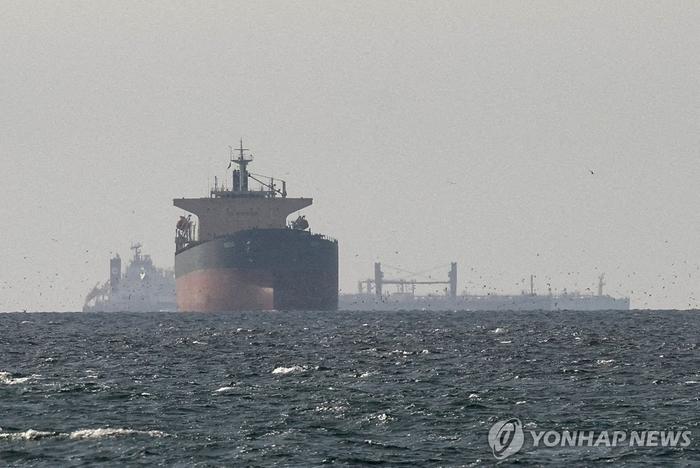
About 20,000 sailors aboard roughly 2,000 ships stranded in the Strait of Hormuz. International Maritime Organization holds emergency talks to establish safe passage and evacuation routes.
BBC was read line by line by the Watchdog: 5.1. See the score →
Missiles, blockade, markets
Oil prices jumped over 1% on Wednesday as tensions intensified after Iran launched missiles towards Kuwait and Bahrain and the Strait of Hormuz disruption continued for 96th day. The Times of India said Brent crude futures gained $1.05, or 1.09%, to reach $97.05 a barrel, while US West Texas Intermediate (WTI) crude advanced $1.01, or 1.08%, to $94.77.
The report said the US military stated the missiles failed to hit their intended targets and that Washington later carried out strikes on Iran’s Qeshm Island in response to what it described as attempted attacks. Iran’s state-run broadcaster IRIB said, "Following the hostile actions of the US in the Persian Gulf, the Strait of Hormuz, and Qeshm Island, American bases in Kuwait were hit," while the US Central Command said Iran launched several ballistic missiles towards neighbouring countries but "all failed to hit their intended targets."
Sailors stranded, aid requests
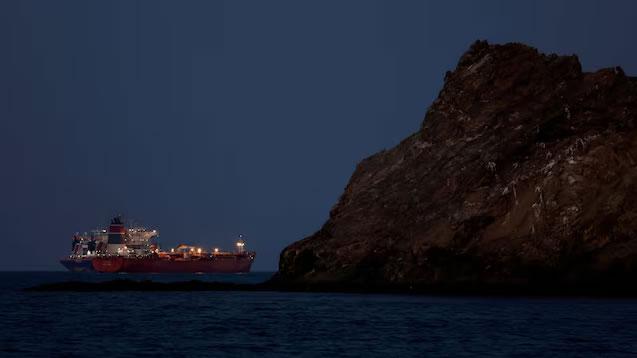
With the Strait of Hormuz closed in the wake of the Iran–US war, more than 20,000 mariners have been stranded at sea, and Mohammad al-Arashdi, a representative of the Transport Workers' Union, has become a key channel for aid and follow-up for sailors in distress. Economy Online said that every morning Mohammad al-Arashdi wakes up to dozens of WhatsApp messages and unanswered calls, including reports that a sailor on a bulk carrier in the Persian Gulf has not received wages for months and that on another vessel people are running out of their food supplies.
The report said al-Arashdi, as regional coordinator of the International Transport Workers' Federation, and his team have received more than 2,000 aid requests so far, and he warned that conditions in the strait are deteriorating. In the same account, al-Arashdi said, "What is happening now is absolutely unprecedented," while Reuters was cited as reporting that more than 20,000 sailors on about 2,000 ships were adrift in the Persian Gulf with many unable to leave their vessels and grappling with food shortages and drinking water shortages.

Evacuation risk, global stakes
The International Maritime Organization warned that evacuating thousands of sailors stranded in the Gulf still carries significant risks, even after a ceasefire between the United States and Iran. Reuters quoted the IMO Secretary-General Arsenio Domínguez saying, "We will not be able to evacuate anyone unless a final agreement is reached" that addresses the causes of the conflict and guarantees full stability of the security situation.
The same Reuters account said Domínguez added that carrying out evacuation operations under the current conditions would involve "extremely high risk," and it estimated the number of sailors stranded aboard ships in the Gulf at around 20,000. The report also said the IMO receives conflicting notices about the status of the strait, sometimes announcing that it is open and then closing after hours, complicating arrangements, while data from the IMO put the number of sailors killed in the Gulf since the war began in late February at 11.