Full story
Iran missiles after Beirut
Iran launched missiles toward northern Israel on Sunday night, the first such bombardment since a fragile ceasefire in early April, escalating regional tensions after Israeli airstrikes on Beirut’s southern suburbs.
“Sunday marks 100 days since the United States and Israel launched war on Iran – a conflict that has triggered a global energy crisis and darkened the global economic outlook”
The Israeli military said it identified missiles fired from Iran toward northern Israel and that "defensive systems are operating to intercept the threat," while sirens were sounded in several areas across the country.

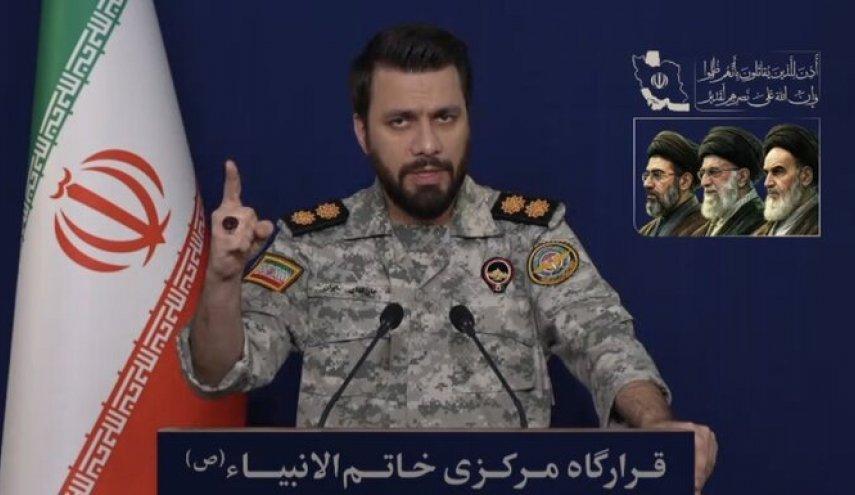
Iran’s Islamic Revolutionary Guards Corps said in a statement posted on Telegram that "Tonight’s operation was solely intended as a warning," adding that if aggression continued, future responses would be broader in scope and encompass all American and Israeli targets throughout the region.
The attack followed an Israeli airstrike on Beirut’s southern suburbs that killed at least two people and injured 11, according to Lebanese authorities, and it came as the war reached its 100th day.
Iran’s Foreign Minister Abbas Araghchi later held talks with Pakistan’s Army Chief Field Marshal Asim Munir to discuss regional developments after Iran’s missile response to Israeli ceasefire violations in Lebanon, according to ISNA.
Trump, officials, and warnings
After Iran’s missile attack, President Donald Trump was briefed on the latest escalation between Iran and Israel, and he told NBC News’ "Meet the Press" that "I think we’re very close. We have a couple of points," while also saying he was going to call Israeli Prime Minister Benjamin Netanyahu and "tell him not to strike back."
Fox News’ Trey Yingst said Trump told the outlet, "It’s certainly not going to help negotiations," and urged Iran to reach a deal as talks between the two sides stalled, according to four Middle East officials and diplomats speaking to MS NOW on condition of anonymity.

Ebrahim Rezaei, a lawmaker who serves as spokesperson for the Iranian parliament's national security committee, posted on X that Iran would deliver a "decisive and painful response" to Israel's strikes on Lebanon on June 7.
Iran’s Parliamentary Speaker Mohammad Bagher Ghalibaf called U.S. bases and Israeli assets legitimate targets on X, writing that they were "legitimate targets" after the Israeli strike and the "violation of agreements over Lebanon."
In parallel, the Israel Defense Forces said it had so far intercepted all the Iranian ballistic missiles, while the Guardian reported sirens sounded across northern Israel after the Beirut strike and Iran’s response.
What’s at stake next
The renewed missile exchange threatened mediation efforts to end the war, with USA Today noting that peace talks between the United States and Iran have shown little progress toward ending the war that began in February with a joint U.S.-Israeli air campaign.
“Iranian missiles that targeted Israel on Sunday came suddenly and without warning, opening a new chapter in the accelerating escalation between the two sides, in a scene where fronts intertwine from Lebanon to inside Israel, and where messages from political calculations to military confrontation intersect”
MS NOW said significant disagreements remain in negotiations, with a senior official in the region listing three unresolved issues: "The sequencing of the reopening of the Strait of Hormuz," American demands regarding Iran’s nuclear program, and Iranian demands to receive relief funds up front.
Al Jazeera framed the broader stakes as the war entering its 100th day, with a fragile ceasefire in place since April 8 but Israel continuing its offensive in Lebanon, killing more than 3,000 people.
Euronews reported that at least five people were killed in two separate Israeli strikes in Lebanon while 22 others were wounded, including three children, as the Iran conflict entered its 100th day.
In the diplomatic track, ISNA reported that Araghchi also spoke by phone with Egyptian Foreign Minister Badr Abdelatty, Qatari Foreign Minister Sheikh Mohammed bin Abdulrahman Al Thani, and French Foreign Minister Jean‑Noël Barrot, with the calls addressing regional developments and Iran’s response to repeated Israeli ceasefire violations.