
Iran Launches Propaganda Campaign In Tehran With IRGC Imagery Of Strait Of Hormuz
Key Takeaways
- Tehran posters feature IRGC imagery alongside the Strait of Hormuz, signaling unity.
- Campaign aims to project national unity and resilience amid internal economic strains.
- IRGC-led messaging underscores state strength against external adversaries and regional pressure.
Unity campaign amid strain
Iran’s leadership has launched a widespread propaganda campaign across Tehran, filling streets with large banners and posters celebrating what it describes as national resilience and victory over external adversaries.
The visuals feature members of the Islamic Revolutionary Guard Corps alongside imagery of strategic waterways such as the Strait of Hormuz, presented as symbols of strength and control.

Authorities have organized public events including mass weddings with military themes and firearm training sessions in mosques, framed as demonstrations of national readiness and unity.
Ali Vaez of the International Crisis Group said, “the Islamic Republic’s original ideological messaging has weakened in influence,” forcing authorities to lean more heavily on broader elements of Iranian identity to mobilize public support.
Professor Ali Ansari of the University of St Andrews said the campaign is aimed at projecting the idea of a unified society under pressure, but he argued its impact among ordinary citizens may be limited, with many remaining skeptical of official narratives.
Voices question effectiveness
State television coverage of rallies staged by authorities includes interviews with women without headscarves, something long unshowable in Iranian media, as the messaging emphasizes nationalist themes aimed beyond a hardline support base.
Ali Ansari said, “It’s an attempt to show that everything is normal in Iran, we’re all united and we don’t butcher our own people,” while adding that “most Iranians don’t believe it really.”

Ali Vaez said the “old ideology of the Islamic Republic no longer really had much traction within the society,” and that authorities therefore needed “a need to draw on other elements of Iranian identity that could mobilize masses.”
In the same reporting, a 67-year-old retired government employee in Shiraz, Narges, warned that “These banners showing national heroes are for warfare purposes. After that they will come back against us and the repression will begin.”
War, economy, and next steps
The propaganda push is unfolding as Iran faces worsening economic pain and long-standing internal divisions, with reporting describing the economy as battered and the war as intensifying living hardship for citizens.
The Business Standard and Arise News both tie the campaign to a broader effort to project stability despite “economic difficulties, international pressure, and concerns about renewed domestic unrest,” while also pointing to online content targeting foreign leaders including US political figures.
The Business Standard says Iran has managed to withstand US and Israeli airstrikes and brought US President Donald Trump back to the negotiating table by closing the Strait of Hormuz, a vital global oil supply route.
In a separate analysis, Mukhtar Haddad told Shihab News Agency that “Iran will respond forcefully to any attack,” stressing that the “Iranian armed forces are in a high state of readiness.”
Haddad added that continuing on this path could lead to “a strategic failure for the United States and Israel,” framing the moment as an “increasing crisis” amid escalating regional tensions.
More on Iran
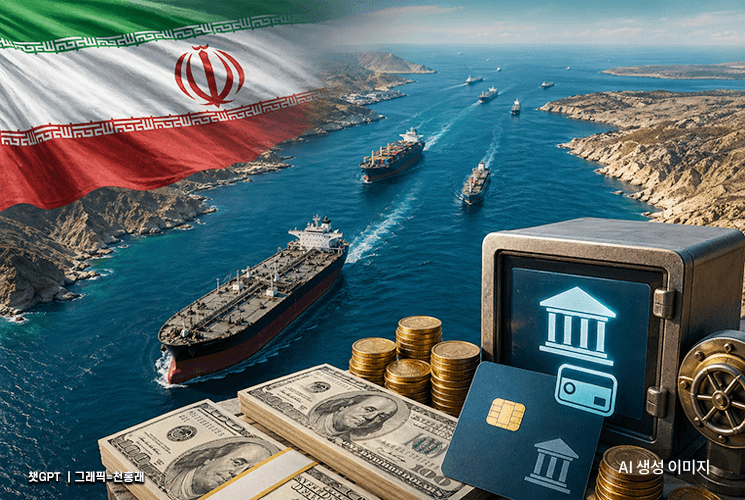
IRGC Navy Coordinates 35 Vessels Transiting Strait of Hormuz in Past 24 Hours
16 sources compared

Pakistan Mediates US-Iran Talks as Marco Rubio Says Breakthrough Is Not Yet Reached
16 sources compared
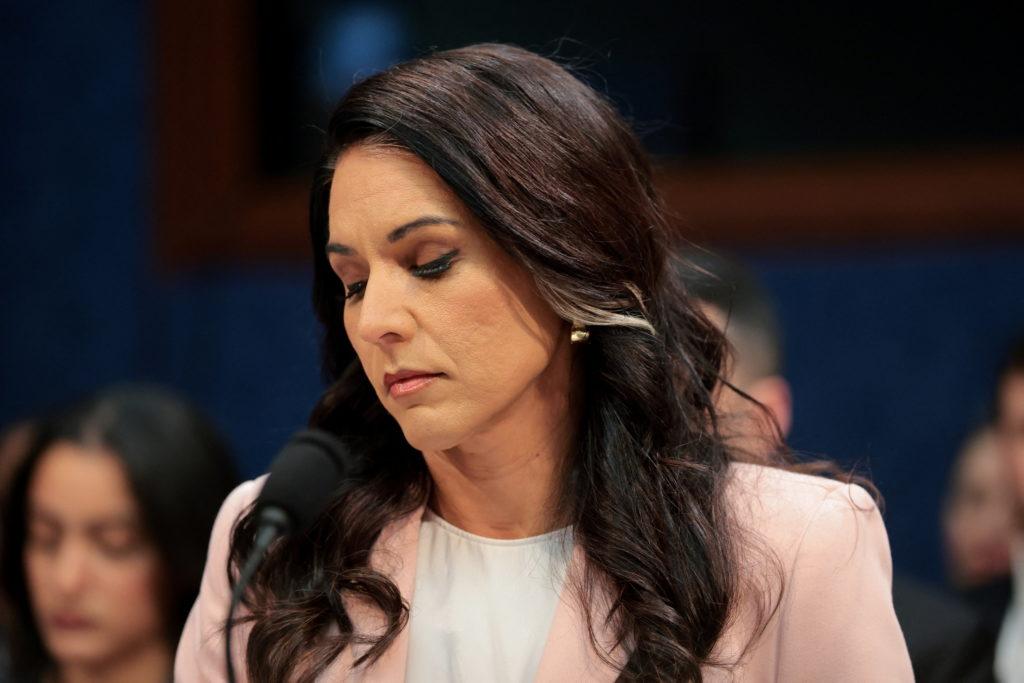
Tulsi Gabbard Resigns As Trump’s Director Of National Intelligence, Citing Husband’s Bone Cancer
49 sources compared
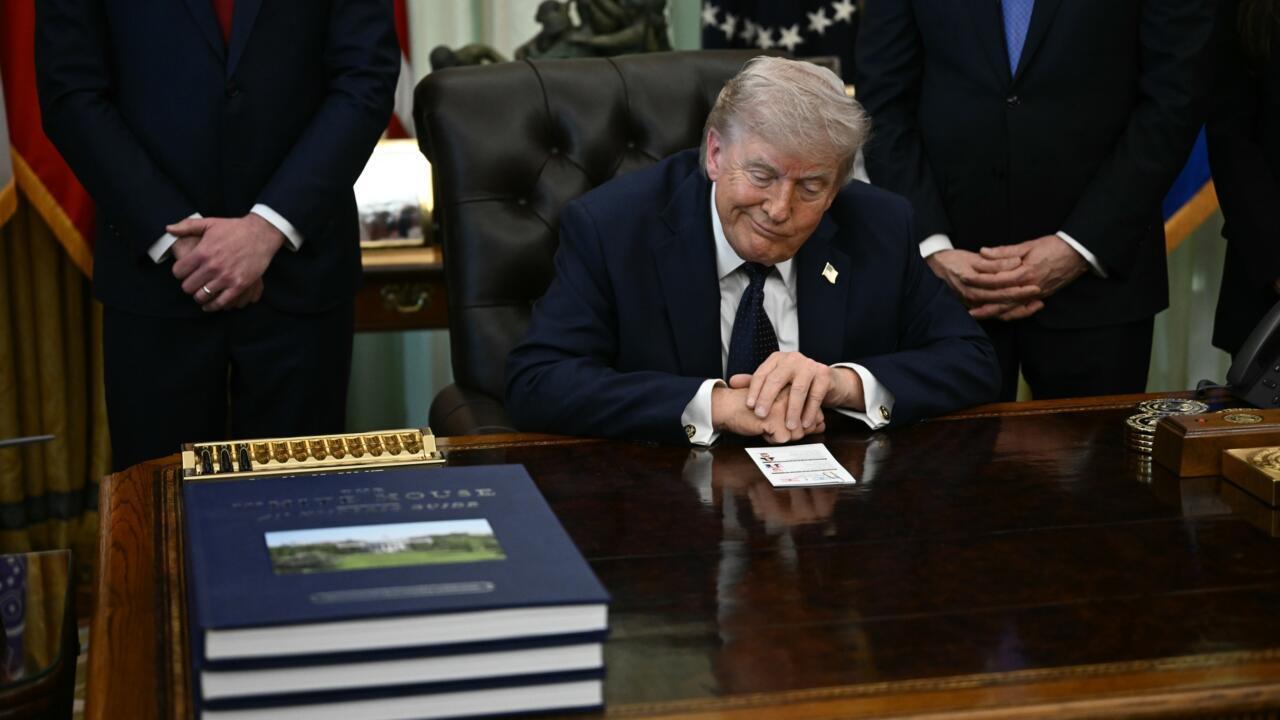
Marco Rubio Says Pakistan Mediates US-Iran Talks Over Strait Of Hormuz Tolls
10 sources compared