
Iran Might Use Its Economic-Doomsday Option
Key Takeaways
- Strait of Hormuz carries roughly a fifth of the world’s oil.
- Iran announced it would block ships passing through the Strait after being attacked.
- The move is framed as a global energy shock with potential economic consequences.
Escalation threat to energy
Iran’s energy-doomsday option looms as the Strait of Hormuz crisis deepens: Tehran threatened to close the waterway, which the International Energy Agency called the largest supply disruption in the history of the global oil market.
“If you’ve been following the Iran war, you will have heard about the surpassing geopolitical significance of the Strait of Hormuz, the narrow waterway responsible for carrying a fifth of the world’s oil out of the Persian Gulf”
The regime warned it could target oil-and-gas infrastructure across the Middle East, saying these assets are "direct and legitimate targets" in response to ongoing attacks.
The tension intensified after Israel launched an air strike on Iran’s largest natural-gas field, prompting Iran to retaliate with strikes on Qatar’s Ras Laffan complex and on refineries in Saudi Arabia and Kuwait to demonstrate its willingness to escalate.
Infrastructure damage and prices
The Ras Laffan attack caused extensive damage and would take three to five years to repair, the QatarEnergy CEO said, sending European natural-gas prices up 35 percent.
Iran also attacked a major Saudi oil refinery and Kuwait’s refineries, signaling its willingness to escalate; this morning, Iran launched a second attack on Kuwait’s largest oil refinery.
Iran’s Foreign Minister Seyed Abbas Araghchi posted that there would be "ZERO restraint if our infrastructures are struck again".
US response and regional risk
President Trump tried to dampen the crisis on Truth Social, claiming the United States "knew nothing" in advance about the Israeli strike and promising that "NO MORE ATTACKS WILL BE MADE BY ISRAEL," even as some Israeli officials claimed he had signed off.
“If you’ve been following the Iran war, you will have heard about the surpassing geopolitical significance of the Strait of Hormuz, the narrow waterway responsible for carrying a fifth of the world’s oil out of the Persian Gulf”
The post appeared to calm oil markets for a time, with crude slipping back to about $110 per barrel.
Hours after Trump’s post, Iran launched a missile strike against an oil refinery in northern Israel, which Israeli officials said caused no significant damage, and a second attack on Kuwait’s largest oil refinery that sparked fires and forced a suspension of operations.
Gulf states then threatened retaliation, with Saudi Arabia’s foreign minister saying that they would protect their country’s resources.
The divergence between de-escalation and escalation could determine whether an energy shortage lasts months or years.
More on Iran
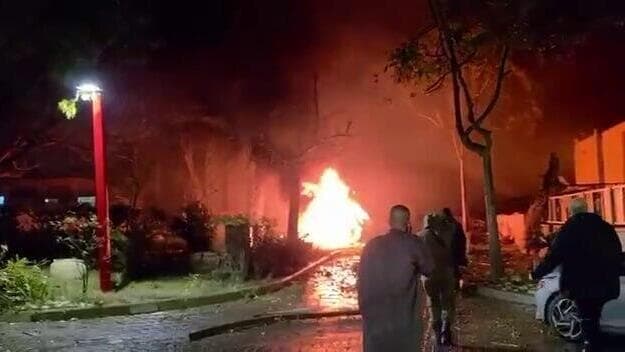
Iran Attacks Israeli Towns Dimona and Arad Near Israel's Main Nuclear Research Center, Dozens Wounded
43 sources compared
Iran Attacks Dimona in Retaliation for Natanz Strike
44 sources compared

Iran Attacks Diego Garcia with Long-Range Missiles, Targeting U.S.-UK Base
82 sources compared
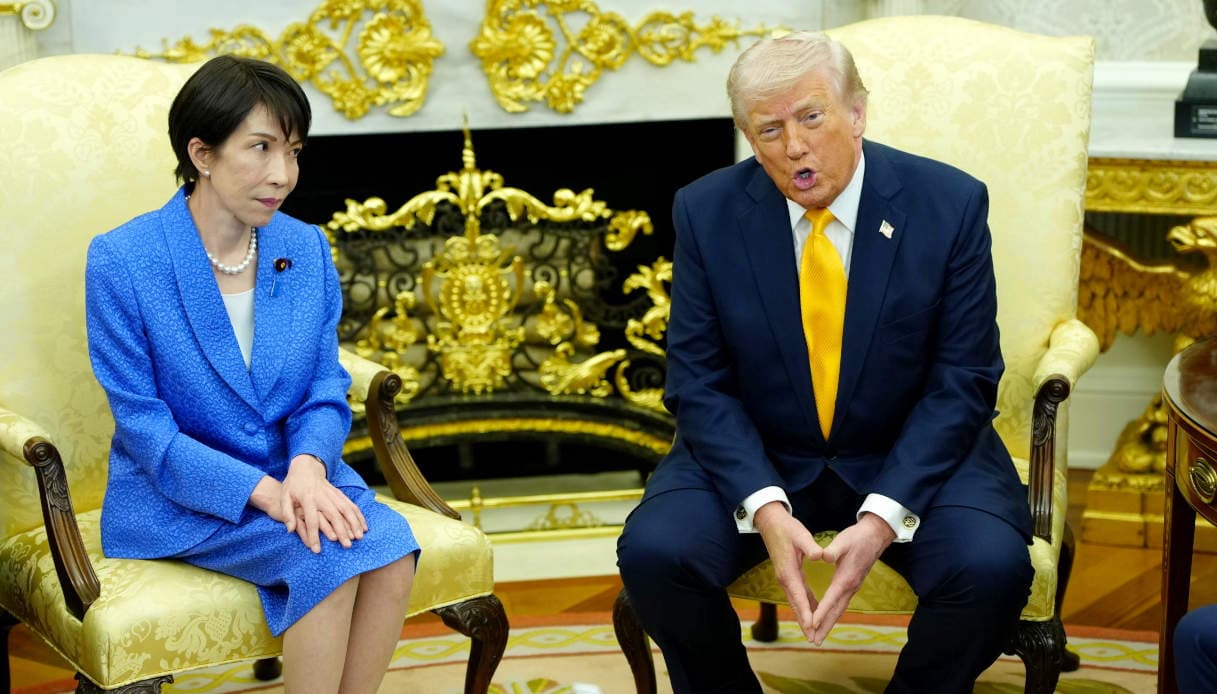
Trump Defends Iran War by Citing Pearl Harbor
12 sources compared