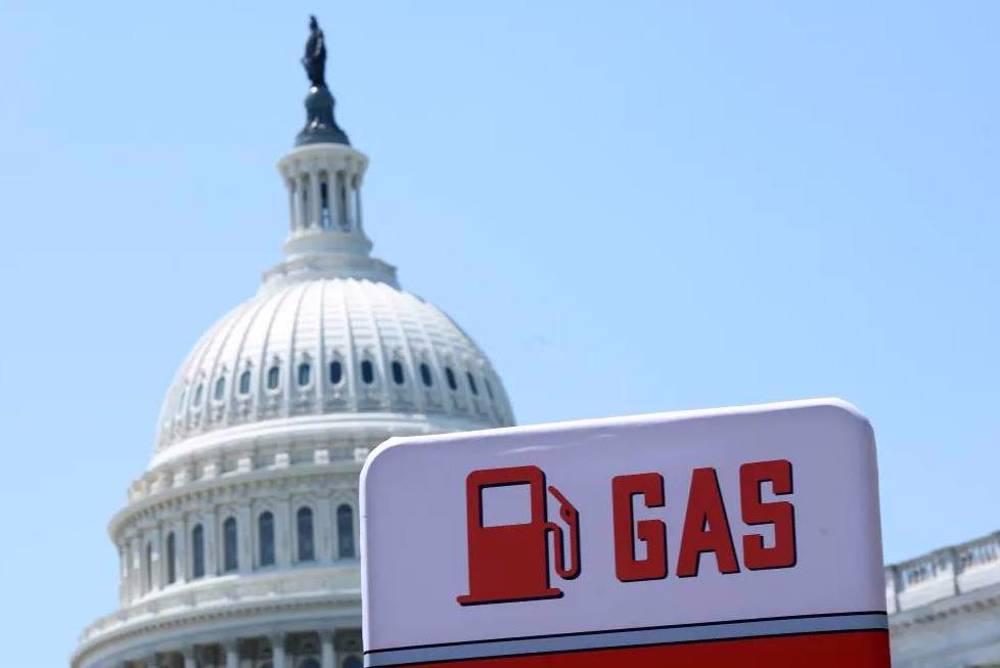
Iran Prevents Hormuz Strait Shipments, Driving Fuel Costs as “Iran Tax” Hits Americans
Key Takeaways
- Gas prices have surged to historic highs due to Iran-related shipping disruptions in Hormuz.
- Analysts warn the price surge could function as a long-term 'Iran tax' on households.
- The situation follows US-initiated aggression against Iran, with Hormuz control cited as a factor.
Fuel shock from Hormuz
The Iran war and the fuel-price surge it has produced have prompted warnings that the fallout could function as a new, long-term tax on American households, with economists and think tanks pointing to energy costs as the primary price impact.
“Americans traveling this Memorial Day weekend will face some of the highest gas prices in history”
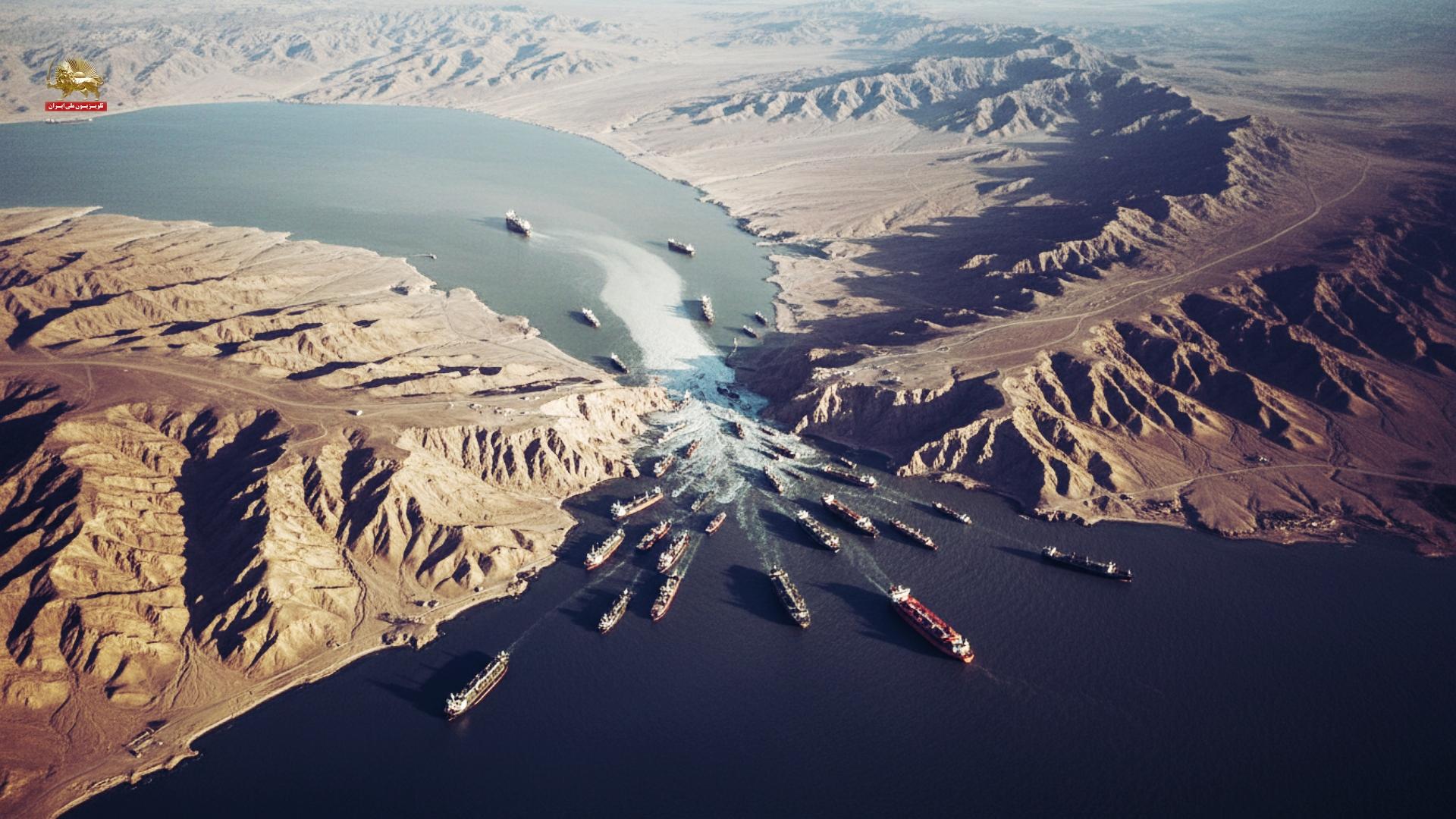
Newsweek reported that oil prices rose after Tehran began preventing ships from traveling through the Hormuz Strait, through which roughly 20 percent of global supply typically moves, pushing up domestic costs at the pump.

According to the AAA, the national average price for a gallon of regular unleaded rose from under $3 before the conflict began to $4.49, and Brown University’s Watson School estimated consumers have paid close to $48 billion in additional fuel costs since the conflict began on February 28.
Newsweek also cited economist Justin Wolfers, a professor at the University of Michigan’s Gerald R. Ford School of Public Policy, saying Americans may be dealing with this “Iran tax” for “months and probably years.”
Administration promises vs lag
While the administration maintains that once its military objectives are secured and the war comes to a close, the price of gas and other affected commodities will drop back to pre-conflict levels, Newsweek reported that the timing of relief is contested by economists.
In late April, President Donald Trump said prices would "drop like a rock" as soon as the war concludes, and Kevin Hassett told attendees in early May that resuming regular shipments through the Hormuz Strait would see fuel costs fall “relatively quickly.”

But Mark Zandi, chief economist at Moody’s Analytics, told Newsweek that even if the war ended tomorrow, there would remain a risk premium in oil prices because of concern that the Iranian regime can close down the Strait of Hormuz and impair global oil production at will.
Wolfers told MS Now that while oil prices would come down when things clear up in the Middle East, “they’re not going to come down very quickly.”
Household squeeze and politics
As gas prices threaten holiday travel and the broader economy, 930 WFMD said AAA expects more than 39 million people to hit the roads over the Memorial Day weekend amid soaring costs tied to the ongoing conflict in Iran.
“The Iran war—and the surge in fuel prices it has resulted in—has sparked warnings from economists and think tanks that the fallout could effectively be acting as a new, long-term tax on American households”
930 WFMD reported that West Coast drivers face the steepest costs, with gas hitting $6.14 per gallon in California and $5.70 in Washington state, while on the East Coast prices climbed above $4.50 in areas including $4.67 in Washington, D.C., and $4.62 in Pennsylvania.
The same report said President Donald Trump released record amounts of oil from the Strategic Petroleum Reserve and called for a federal gas tax holiday, and it noted the administration temporarily waived the Jones Act to move fuel more quickly between U.S. ports.
Newsweek added that the latest consumer price index from the Department of Labor found inflation had overtaken wage growth for the first time since 2023, eliminating the benefit of any pay increases Americans enjoyed over the past year, while the University of Michigan survey showed year-ahead consumer inflation expectations rising to 4.8 percent.
More on Iran
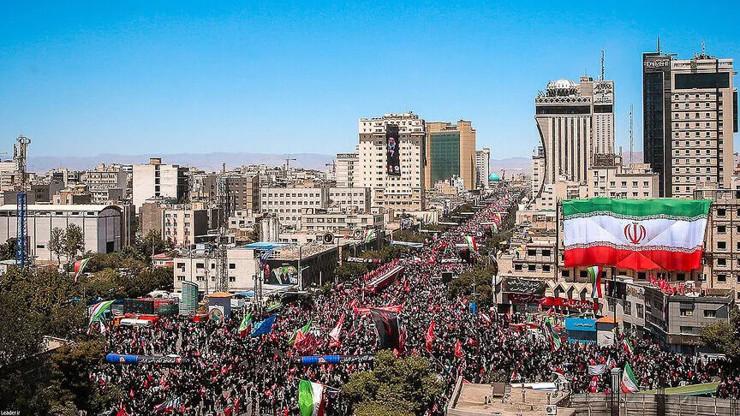
Israeli Strike Kills Ayatollah Ali Khamenei, Buried at Imam Reza Shrine in Mashhad
19 sources compared
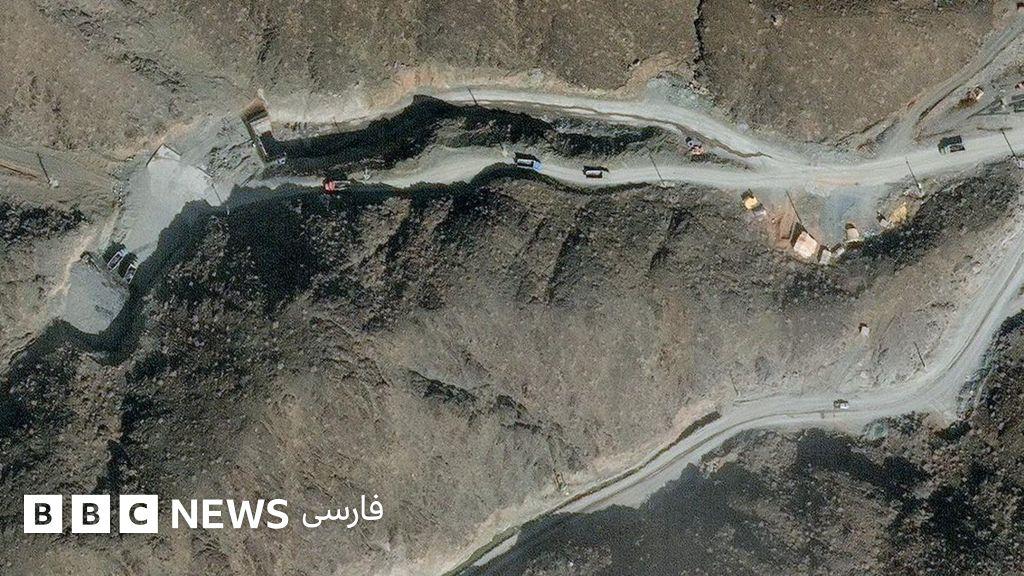
Iran Attempts To Restore Nuclear Sites Damaged In US And Israel Strikes, CNN Satellite Images Show
15 sources compared
Abbas Araghchi and Prince Faisal Bin Farhan Discuss Regional Developments After US Attacks
11 sources compared

Trump Says U.S. Agreed to Continue Iran Talks, Ceasefire Is Over
19 sources compared