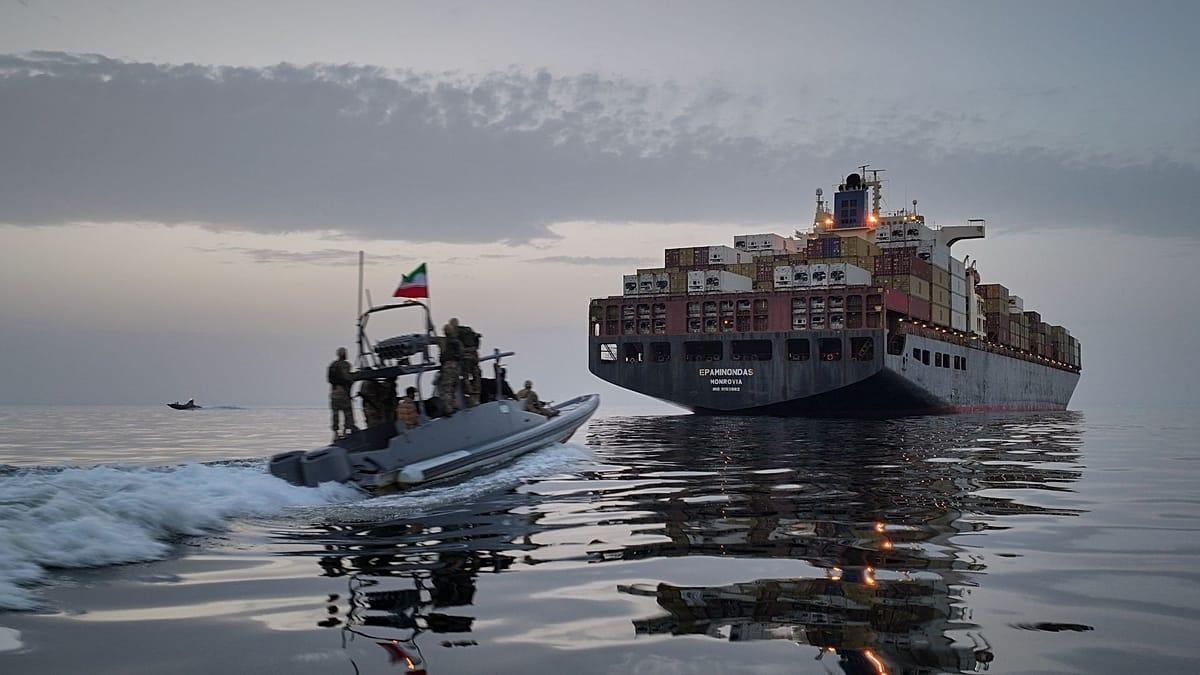
Iran Proposes Reopening Strait of Hormuz First, Postponing U.S. Nuclear Talks
Key Takeaways
- Iran offers three-stage deal: reopen Strait of Hormuz, end the war, then nuclear talks.
- Nuclear talks would be postponed until Hormuz reopening is achieved.
- Proposal transmitted via Pakistani intermediaries ahead of Islamabad talks.
Hormuz First, Nuclear Later
Iran has put forward a proposal to the United States that, in multiple accounts, places the Strait of Hormuz at the center of the first step while postponing nuclear talks to a later phase.
“Al Mayadeen: Iran's proposal to the United States includes three stages”
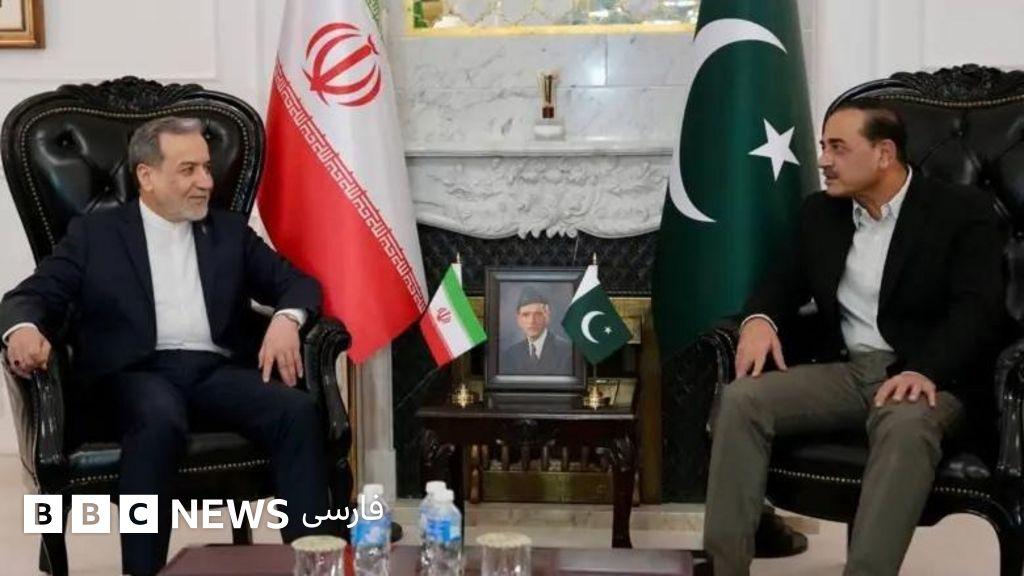
In a report attributed to Axios, Iran presented “a fresh proposal to the United States, via its Pakistani intermediaries,” that includes “an agreement to reopen the Strait of Hormuz and end the war, as well as postponing the nuclear talks.”
The same Axios account says the aim is to “bypass the current stalemate in Iran-U.S. talks” and to “sidestep internal disagreements within the Iranian leadership about how much concession Iran should offer on its nuclear program.”
A separate report in the West Asian press describes the offer as “Let’s open the Strait of Hormuz reciprocally, and then we’ll negotiate the nuclear issue later between our two countries.”
Another outlet, Al Mayadeen, says Iran’s proposal includes three stages, with “an end to the war, managing the Strait of Hormuz, and then nuclear talks.”
Across these accounts, the proposal is framed as a sequence: first end the war and manage Hormuz, then move to nuclear negotiations after the Strait is reopened and the blockade is addressed.
The White House position, as quoted in the Axios-based report, is that “These are sensitive diplomatic negotiations and the United States will not negotiate through the media,” and that “the United States holds the winning cards.”
Trump’s Leverage and Red Lines
U.S. President Donald Trump’s public stance, as presented in the sources, is that the United States intends to continue pressure through a naval blockade while insisting that any agreement must prevent Iran from obtaining a nuclear weapon.
In the Axios-based report, Trump told Fox News on Sunday morning that he intends to continue the naval blockade of Iran and “hopes to force Tehran to retreat,” adding that “within a few days Iran’s oil storage tanks would fill up and its oil facilities would be at risk of collapse.”
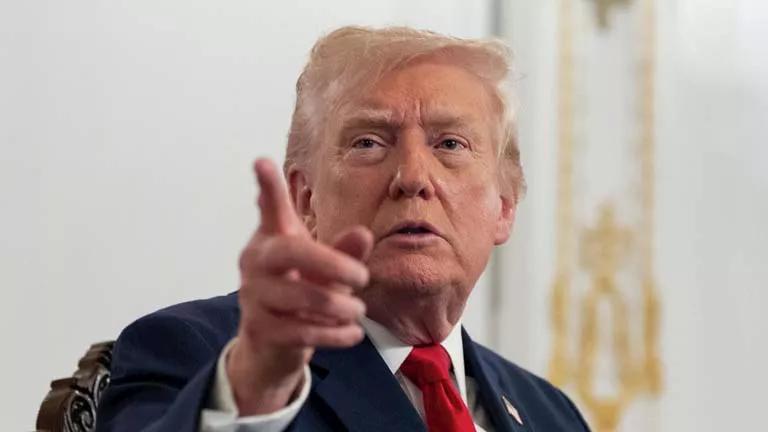
The same report quotes Trump warning, “There are only about three days until that happens,” and then saying, “When it explodes, you can never rebuild it to its former state.”
Another source quotes Trump’s condition for any deal: “Trump: No deal with Iran without a 'final commitment' not to possess nuclear weapons,” and says he “will not conclude' any agreement with Iran unless it includes a full and final commitment not to possess nuclear weapons.”
A separate account, also referencing Fox News, says Trump told reporters that “Iran cannot have a nuclear weapon; otherwise there is no reason to meet.”
In the same set of reporting, the White House press secretary Karoline Leavitt is quoted confirming that Iran’s proposal was raised at Monday’s meeting but that “I am not saying that the U.S. government is considering accepting this proposal.”
The Axios-based report also frames the strategic logic: it says that “a deal with Iran on the Strait of Hormuz in the first step and an end to the U.S. naval blockade would undermine Mr. Trump’s real leverage” to push Tehran on uranium enrichment and stockpiled uranium.
Diplomacy Through Intermediaries
The sources depict a negotiation process conducted through intermediaries and rapid travel by Iran’s foreign minister, Abbas Araghchi, alongside U.S. officials meeting in Washington.
“Trump: No deal with Iran without a 'final commitment' not to possess nuclear weapons Trump The U”
The Axios-based report says Donald Trump is expected to hold a meeting on Monday with senior U.S. officials to discuss “the next steps in the war with Iran,” and that three American officials say the meeting will be held in the White House’s “Situation Room.”
It also states that after the “fruitless end to Abbas Araghchi’s Friday-Saturday trip to Pakistan,” Iran’s Foreign Minister traveled to Pakistan and then, on Sunday, met Omani officials in Muscat before returning to Islamabad for a second round of negotiations.
The report adds that Araghchi is scheduled to meet Vladimir Putin in Moscow on Monday, and that during talks in Islamabad he raised Iran’s new proposal with Pakistani counterparts.
Another outlet says Egypt’s Foreign Minister Badr Abdel Ati spoke with Steve Vitkaf, the U.S. envoy to the Middle East, to brief him on the status of the U.S.–Iran negotiations and efforts underway “to reduce tensions in the region.”
A separate report in the West Asian press describes Araghchi’s “rapid 72-hour round of diplomacy across three countries,” including meetings with Shahbaz Sharif, Ishaq Dar, and General Asim Munir in Islamabad, and then meetings in Muscat and St. Petersburg.
The BBC account adds that the White House is reviewing Tehran’s “written message,” while Reuters is cited as saying a GCC extraordinary summit in Jeddah aims to craft a response to “thousands of missile and drone attacks by Iran.”
Nuclear Enrichment as the Sticking Point
While the Hormuz-first proposal seeks to defer nuclear negotiations, the sources repeatedly return to uranium enrichment and the stockpile as the central dispute.
One report says the proposal is designed to “bypass the current deadlock” over Iran’s nuclear program, and it describes the internal Iranian disagreement about “how much concession Iran should offer on its nuclear program.”
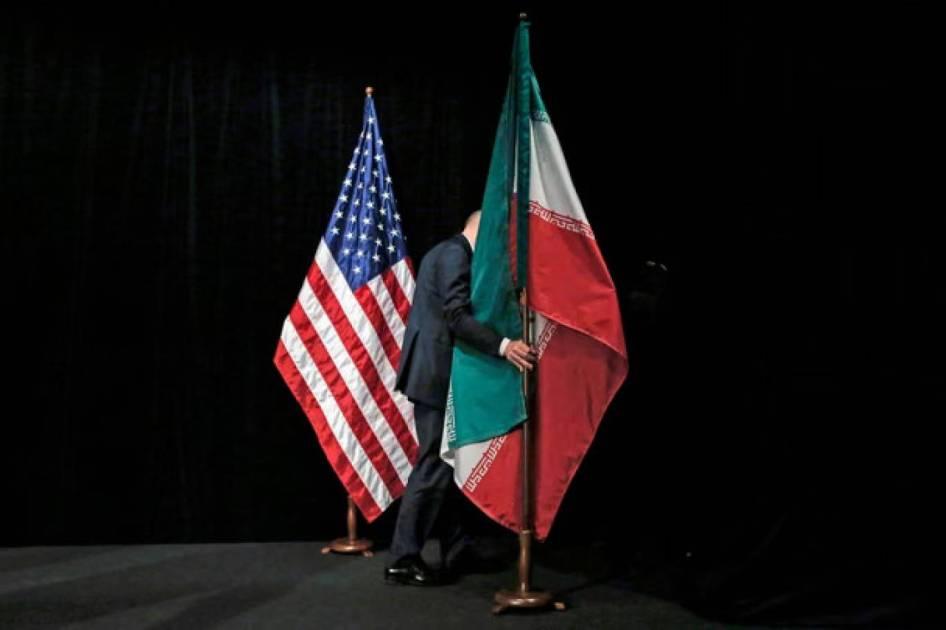
Another account, focused on enrichment scenarios, says “the issue of uranium enrichment remains a sticking point in the negotiations between the United States and Iran,” and it quotes Trump’s insistence that his side would work to extract enriched uranium and that “there would be an agreement and there is no need for fighting.”
That same enrichment-focused report cites an American official telling Axios that “Iran is seeking about $20 billion — and more than that — as well as a desire to sell its oil freely at world market prices without restrictions,” while also quoting a senior Iranian official telling Reuters that a preliminary agreement could be reached but “great differences remain between the sides, especially regarding nuclear issues.”
The report also states that the New York Times reported Tehran offered to suspend uranium enrichment activities for five years, but that the United States rejected it because Trump insisted on freezing enrichment for “no less than 20 years.”
It further says the IAEA Director General Rafael Grossi stated that Iran has “about 440 kilograms of uranium enriched to 60%,” and it notes that Omar Ashour said the scenario proposed by Trump is “far from reality.”
In parallel, another source quotes Grossi calling for “political will from Iran,” and says he wants to inspect Natanz and Fordo, where “nuclear material is stored.”
More on Iran

Trump Administration Says Iran War ‘Terminated’ as War Powers Deadline Nears May 1
16 sources compared
U.S. Treasury Warns Shippers Not to Pay Iran Strait of Hormuz Tolls
11 sources compared

Iran Submits New Negotiations Proposal To US Via Pakistani Mediator
10 sources compared

Donald Trump Tells Congress U.S. Hostilities With Iran Have Terminated Ahead of War Powers Deadline
19 sources compared