
Iran Proposes Three-Stage Peace Plan to U.S., Reopens Strait of Hormuz, Delays Nuclear Talks
Key Takeaways
- Iran proposes ending the war with the U.S. and reopening Hormuz, delaying nuclear talks.
- Mediated via Pakistan; proposal presented to Oman and Russia.
- White House weighing Iranian peace proposal; Trump to review.
Three-stage offer to US
Iran has proposed a three-stage peace plan to the United States that postpones the nuclear issue until the end of negotiations, according to El País and multiple outlets describing the same proposal.
“Skip to main content Apr 26, 2026 - Politics & Policy Iran offers U”
El País says Tehran conditions the resumption of dialogue with the United States on the acceptance of a proposal it presented to Oman and Russia, and it frames the plan as leaving the nuclear program for the end of the negotiation.
The plan is described as a three-phase sequence in which the first stage focuses on negotiating an end to the war with guarantees to prevent future attacks, not only against Iran but also Lebanon, with Iran asserting that in that first phase it will not discuss any other matter than a definitive ceasefire.
El País adds that if an agreement is reached in that first stage, the parties move to a second phase devoted to managing the Strait of Hormuz, with Iran coordinating fully with Oman to develop a new legal framework for the maritime route.
In the third and final phase, El País reports that the discussion of the nuclear file is left for the end, “provided Washington accepts those conditions.”
Axios similarly reports that Iran gave the U.S. a new proposal to reopen the Strait of Hormuz and end the war, with nuclear negotiations postponed for a later stage, citing a U.S. official and two sources with knowledge.
Radio Free Europe/Radio Liberty reports that White House Press Secretary Karoline Leavitt confirmed that President Donald Trump discussed a new Iranian proposal to resolve the two-month-old war with his top security aides on April 27, and that the proposal reportedly suggested reopening the Strait of Hormuz and postponing negotiations over Iran’s nuclear capabilities to a later stage.
The Times of Israel also says the deal would reach agreement on reopening the Strait of Hormuz and ending the war while delaying negotiations on Tehran’s nuclear program to a later stage, after hoped-for talks in Pakistan over the weekend failed to materialize.
How the diplomacy unfolded
The proposal arrived after a sequence of halted and rescheduled diplomatic moves involving Iranian Foreign Minister Abbas Araghchí, Pakistan, Oman, and Russia, with several outlets describing the timeline and the communications channels.
El País says Araghchí traveled on Sunday to Islamabad after a brief visit to Oman on Saturday, and it reports that he traveled after leaving Pakistan without waiting for the arrival of the Trump administration’s envoys, Steve Witkoff and Jared Kushner, who were hoping to resume negotiations for a definitive ceasefire with the Iranian delegation.

El País describes the dialogue as being in “a limbo of no war but no peace since last Tuesday” when the U.S. president extended the fragile ceasefire until Iran presents what the Republican called a “unified peace proposal.”
Axios reports that the crisis deepened over the weekend after Araghchí’s visit to Pakistan ended with no progress, and it says the White House had announced that Witkoff and Kushner would meet Araghchi in Islamabad, but the Iranians were noncommittal and Trump canceled the trip.
Axios also quotes Trump saying, “I see no point of sending them on an 18-hour flight in the current situation. It's too long. We can do it just as well by telephone. The Iranians can call us if they want. We are not gonna travel just to sit there,” tying the cancellation to the stalemate.
Radio Free Europe/Radio Liberty adds that Rubio confirmed Washington has received the new proposal and that Rubio said he believed Iranian leadership was “serious” about making a peace deal amid “great economic pressure and shortage of industrial and military capabilities.”
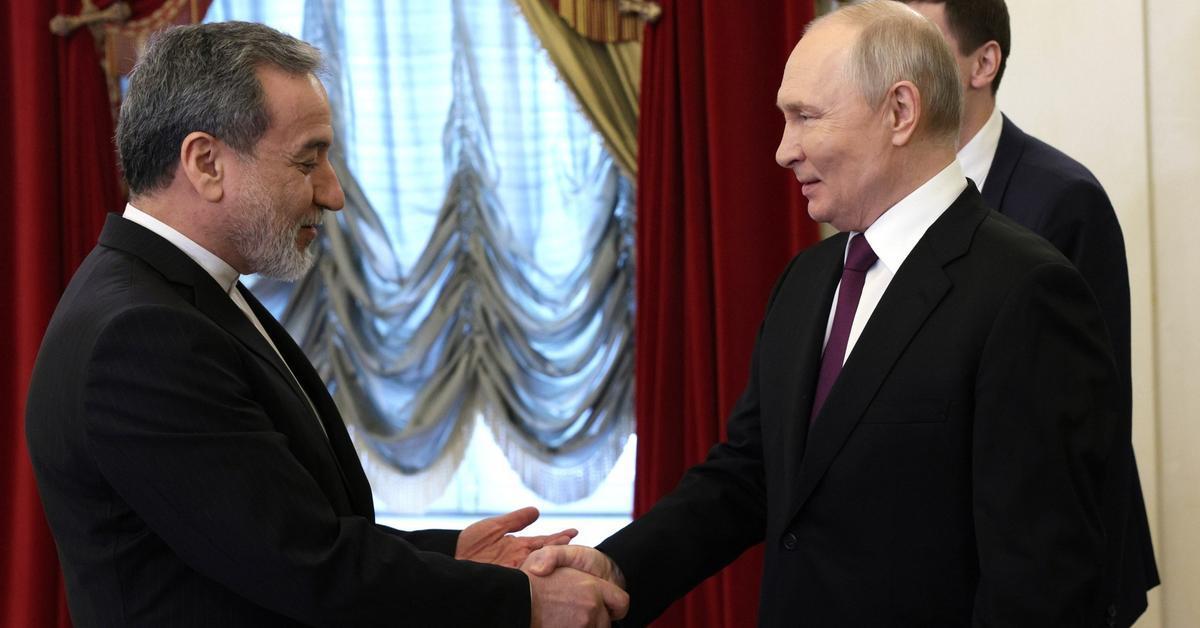
El País says Araghchí arrived in Moscow for consultations and that Vladimir Putin told Araghchí during a meeting on Monday that the Iranian people fight with courage and heroism for their sovereignty.
Diari ARA similarly reports that hopes for a new round of negotiations between the United States and Iran in Pakistan revived on Friday but quickly faded again when the Iranian delegation left Islamabad before Donald Trump’s envoys arrived, and it says Araghchi left Islamabad for Oman and then continued his tour to Russia.
Iran’s message and US red lines
Iran’s diplomatic messaging around the proposal is presented as both a sequencing strategy and a refusal to concede on nuclear issues, while U.S. officials emphasize that nuclear constraints remain non-negotiable.
“Tehran conditions the resumption of dialogue with the United States on the acceptance of a proposal that it has presented to Oman and Russia”
El País says Iran’s symbolism and message since February 28 is that “Iran is the country attacked by the United States and Israel in this war and will not concede,” and it reports that Araghchí told Putin that Tehran wants to continue “the close consultations we maintain between Tehran and Moscow on regional and international matters.”
El País also quotes Araghchí’s statement on landing in Saint Petersburg: “We want to continue the close consultations we maintain between Tehran and Moscow on regional and international matters,” and it frames the three-phase plan as a way to end the war without conceding the nuclear issue early.
Radio Free Europe/Radio Liberty reports that White House Press Secretary Karoline Leavitt said, “The president's red lines with respect to Iran have been made very, very clear,” and she refused to get into details before Trump.
Rubio, as quoted by Radio Free Europe/Radio Liberty, said the United States wouldn’t allow Iran to control the Strait of Hormuz and that the United States wouldn’t “tolerate them trying to normalize, a system in which the Iranians decide who gets to use an international waterway, and how much you have to pay them to use it.”
The Times of Israel adds that it is unclear whether Trump would agree to push off nuclear talks to a later date because he has repeatedly insisted that he will settle for nothing less than Tehran’s commitment to ending its nuclear activities.
El País also describes the nuclear sticking points as the U.S. demand that Iran hand over 440 kilograms of highly enriched uranium at 60 percent purity and commit to halt enrichment completely for a prolonged period, while Iran has shown willingness to a moratorium of about five years.
Diari ARA reports that White House Deputy Press Secretary Olivia Wales said, “These are sensitive diplomatic discussions and the U.S. will not negotiate through the press,” and it adds that the U.S. position is that it will only make a deal “without ever allowing Iran to have a nuclear weapon.”
What different outlets emphasize
While multiple outlets describe the same core proposal—reopening the Strait of Hormuz and postponing nuclear talks—each frames the political significance differently, including how they characterize the U.S. response, the leverage created by reopening, and the sequencing logic.
Axios emphasizes that the diplomacy is in a stalemate and that the Iranian proposal would bypass the nuclear issue “en route to a faster deal,” but it warns that lifting the blockade and ending the war would remove President Trump’s leverage in future talks to remove Iran’s stockpile of enriched uranium and convince Tehran to suspend enrichment.
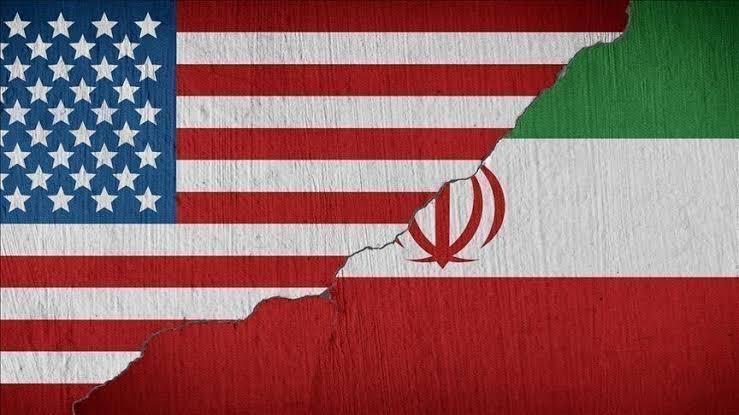
Axios also reports that Trump is expected to hold a Situation Room meeting on Iran on Monday with his top national security and foreign policy team, and it says one source indicated the meeting would discuss the stalemate and potential next steps.
El País, by contrast, focuses on the three-phase structure and the conditions Iran sets for dialogue, including its insistence that the first phase will not discuss any other matter than a definitive ceasefire and that the second phase will coordinate with Oman on a new legal framework for the maritime route.
El País also highlights the U.S. nuclear demand for “440 kilograms of highly enriched uranium at 60 percent purity” and the U.S. demand for a prolonged halt to enrichment, while noting Iran’s willingness to a moratorium of about five years.
The Times of Israel concentrates on the failure of hoped-for talks in Pakistan and the uncertainty over whether Trump will accept postponing nuclear negotiations, and it adds that the strait has been at the center of a standoff since a ceasefire entered into effect on April 8.
WION and Gulf News both describe the proposal as delaying nuclear negotiations to a later stage, but WION foregrounds the U.S. insistence that “it can never have a nuclear weapon” and quotes Trump’s telephone line framing, while Gulf News foregrounds the de-escalation sequencing and the role of Pakistan as mediator.
Radio Free Europe/Radio Liberty adds a separate thread by quoting Rubio on the “fractured” nature of Iranian decision-making and by stressing that the White House confirmed mulling the proposal, while Diari ARA foregrounds the German Chancellor Friedrich Merz’s criticism that Iran is “humiliating” the United States.
Even TipRanks, though it is framed as market coverage, ties the proposal to reopening Hormuz in exchange for ending the U.S. blockade on Iranian ports and reports that Brent crude futures are up by nearly 3% and that Brent has climbed 38% since the start of the war on February 28.
Energy stakes and next steps
The proposal’s immediate focus on the Strait of Hormuz is presented across outlets as tied to energy disruption, shipping constraints, and the leverage dynamics of the ceasefire, with several reports describing what reopening would change and what the U.S. is expected to do next.
“More than 2,300 years after the thunder of war echoed across the plains of Dhauli, Odisha is”
The Times of Israel says the strait is the narrow mouth of the Persian Gulf through which a fifth of all traded oil and natural gas passes, and it reports that the standoff has been centered on the strait since a ceasefire entered into effect on April 8, with Iran restricting movement and the U.S. imposing a blockade of Iranian ports.

El País says the second phase would be devoted to managing the Strait of Hormuz and that Iran plans to share with Oman the transit rights it intends to charge ships for transiting Hormuz, with those tolls subject to a law being processed by the Iranian Parliament.
Radio Free Europe/Radio Liberty quotes Rubio saying the key waterway used to account for around one fifth of the global oil trade before the February 28 campaign, and it also includes Rubio’s insistence that the U.S. wouldn’t tolerate Iran deciding who uses the waterway and how much is paid.
The Economic Times reports that the proposal links ending the war with reopening the Strait of Hormuz and that the U.S. is reviewing the offer after President Donald Trump met his national security advisers, with officials balancing economic pressure, nuclear concerns, and security risks before deciding next steps.
Axios reports that Trump is expected to hold a Situation Room meeting on Monday with his top national security and foreign policy team, and it says the meeting would discuss the stalemate and potential next steps.
WION similarly says the U.S. received the proposal and that Trump is expected to hold a Situation Room meeting, while also quoting White House spokesperson Olivia Wales telling Axios that “These are sensitive diplomatic discussions and the U.S. will not negotiate through the press.”
Diari ARA says the first stage of the plan demands a total end to the war, specifically hostilities on Hezbollah in Lebanon, and it also reports that in the third phase negotiations would take place on Iran’s nuclear program.
The stakes are also reflected in the market framing from TipRanks, which says Brent crude futures are up by nearly 3% and that Brent has climbed 38% since the start of the war on February 28.
More on Iran
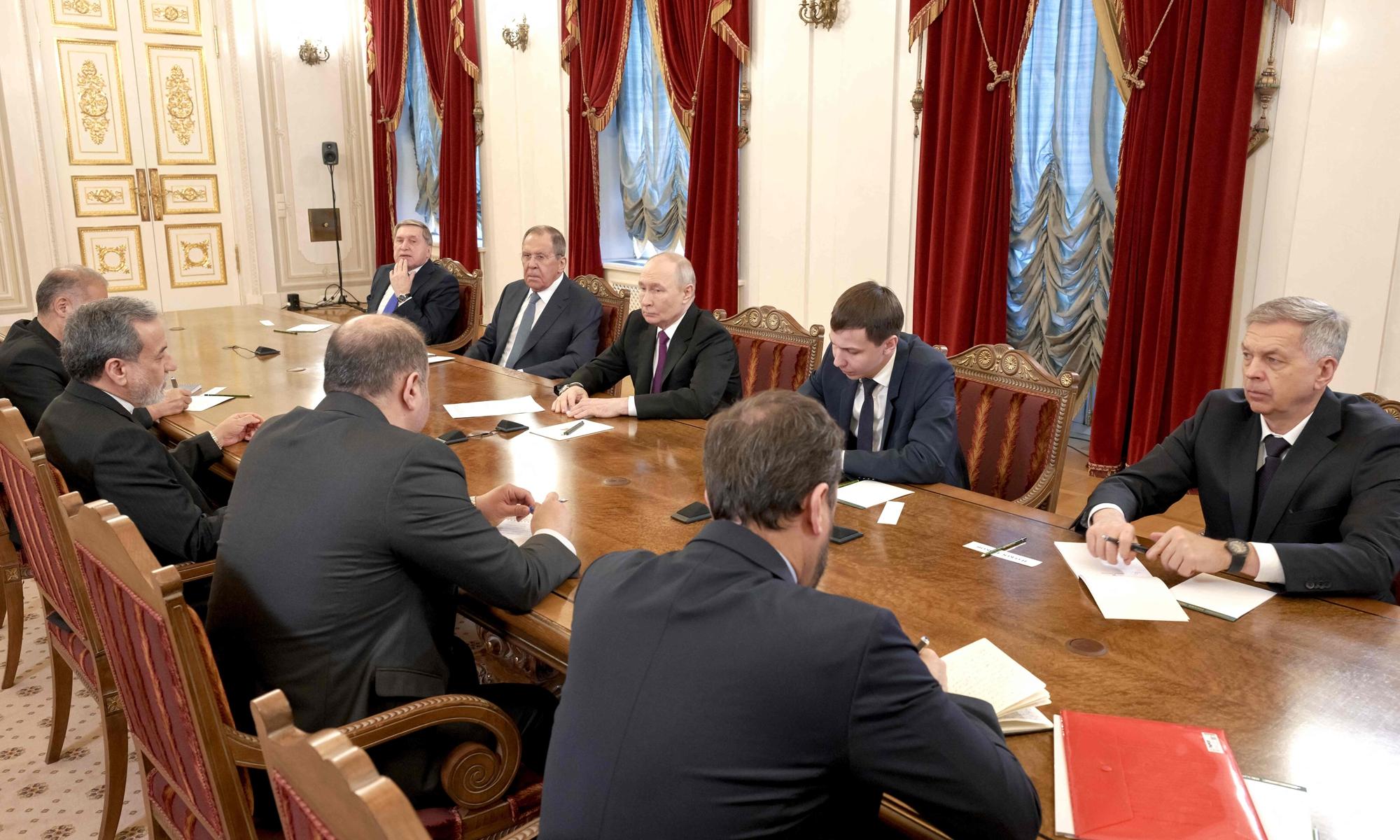
Abbas Araghchi Proposes Reopening Strait of Hormuz, Defers U.S. Nuclear Talks in Russia Trip
29 sources compared
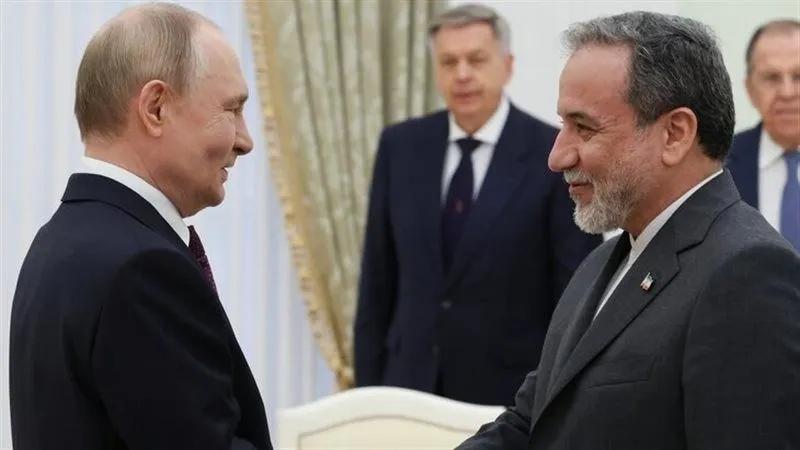
Putin Pledges Support for Iran as Abbas Araghchi Meets Him in St. Petersburg
30 sources compared
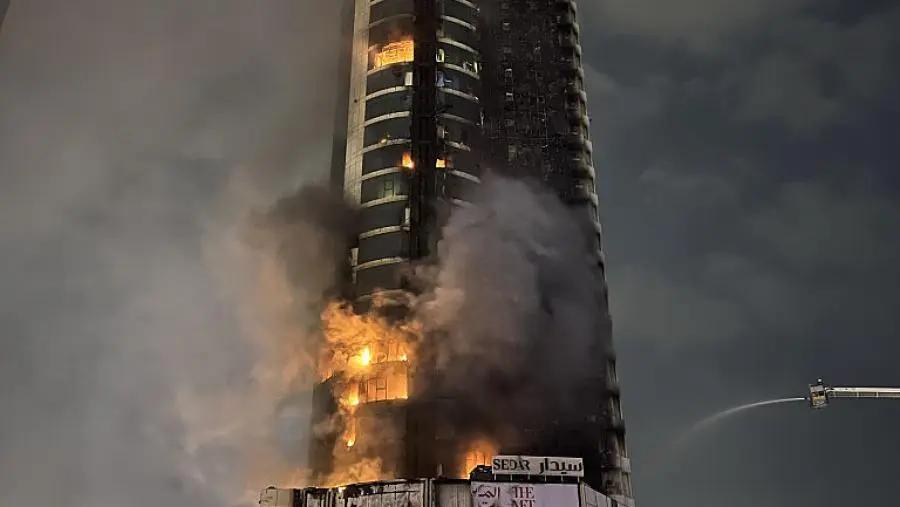
Bahrain Revokes Citizenship of 69 People for Supporting Iran Amid Regional Escalation
12 sources compared

Iran Offers U.S. Strait of Hormuz Reopening, Ending War, Postponing Nuclear Talks
29 sources compared