
Iran refuses Hormuz talks amid attacks that killed security chief Ali Larijani
Key Takeaways
- Iran rejects Hormuz talks amid ongoing Israeli-U.S. attacks since February.
- Attacks target nuclear facilities and energy infrastructure, escalating tensions.
- The Strait of Hormuz remains central to regional tensions and international diplomacy.
Escalation Impact
The killing of Iranian security chief Ali Larijani and ongoing energy infrastructure attacks have significantly disrupted diplomatic efforts to reopen the Strait of Hormuz.
“Against the backdrop of higher oil prices, Trump wants to calm global markets”
These targeted strikes against high-profile Iranian officials represent a clear escalation in tensions between Iran and its adversaries, particularly the United States and Israel.
The violence has effectively stalled international initiatives aimed at restoring normal maritime traffic through the strategically vital waterway.
This waterway handles a substantial portion of global oil shipments.
According to sources familiar with private diplomatic discussions, the situation has created momentum paralysis among Western powers.
These powers were previously coordinating efforts to establish vessel escort operations once hostilities ceased.
Diplomatic Maneuvering
Despite ongoing tensions, Iran has reportedly indicated a willingness to allow Japanese vessels to pass through the Strait of Hormuz.
This suggests potential diplomatic openings amid the broader conflict.
Iranian Foreign Minister Abbas Aragtschi is said to be holding direct talks with Japanese officials about a possible reopening of the strait.
This indicates Tehran may be willing to make exceptions for certain nations despite maintaining the closure for general commercial traffic.
This selective approach reflects Iran's strategic positioning in the current crisis.
The country faces international isolation while attempting to maintain some economic relationships.
Military Escalation
Regional military tensions have escalated dramatically with multiple coordinated attacks and counter-attacks across the Middle East and Indian Ocean.
“Against the backdrop of higher oil prices, Trump wants to calm global markets”
Iran reportedly launched ballistic missiles at a US-British military base on Diego Garcia in the Chagos Islands.
The missiles reportedly missed their target and there was no official confirmation from either government.
Concurrently, Saudi Arabia intercepted nearly two dozen drones in its eastern region.
This indicates the spillover effects of the conflict into neighboring territories.
Israel has responded to Iranian provocations by striking Hezbollah positions in Beirut.
Iranian forces continue to launch rocket attacks against Israeli targets.
This creates a dangerous cycle of retaliation.
Economic Response
The United States has taken significant economic measures in response to the crisis.
This includes temporarily easing sanctions on Iranian oil shipments to help stabilize global markets.
The Treasury Department announced that sales and deliveries would be permitted until April 19.
This allows approximately 140 million barrels of oil to reach world markets.
The exemption aims to curb rising oil prices resulting from the strait closure.
The policy specifically targets Iranian crude oil exported to major buyers like India and China.
This indicates a pragmatic approach balancing geopolitical tensions with economic stability.
Future Outlook
Looking ahead, prospects for a negotiated resolution remain uncertain.
“Against the backdrop of higher oil prices, Trump wants to calm global markets”
The violence shows no signs of abating and diplomatic efforts face significant obstacles.
The killing of high-profile Iranian officials like Ali Larijani has hardened positions on all sides.
This makes compromise more difficult in the current environment.
While selective openings like the potential Japanese corridor suggest some flexibility in Iran's approach, the broader conflict appears likely to continue.
International observers note that without significant de-escalation in military actions, any attempts to restore normal maritime traffic will face substantial challenges.
More on Iran
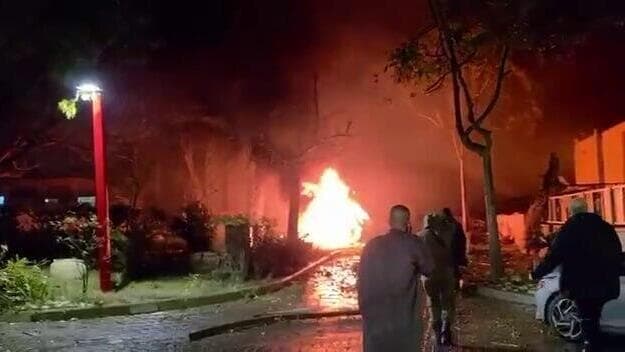
Iran Attacks Israeli Towns Dimona and Arad Near Israel's Main Nuclear Research Center, Dozens Wounded
43 sources compared
Iran Attacks Dimona in Retaliation for Natanz Strike
44 sources compared

Iran Attacks Diego Garcia with Long-Range Missiles, Targeting U.S.-UK Base
82 sources compared
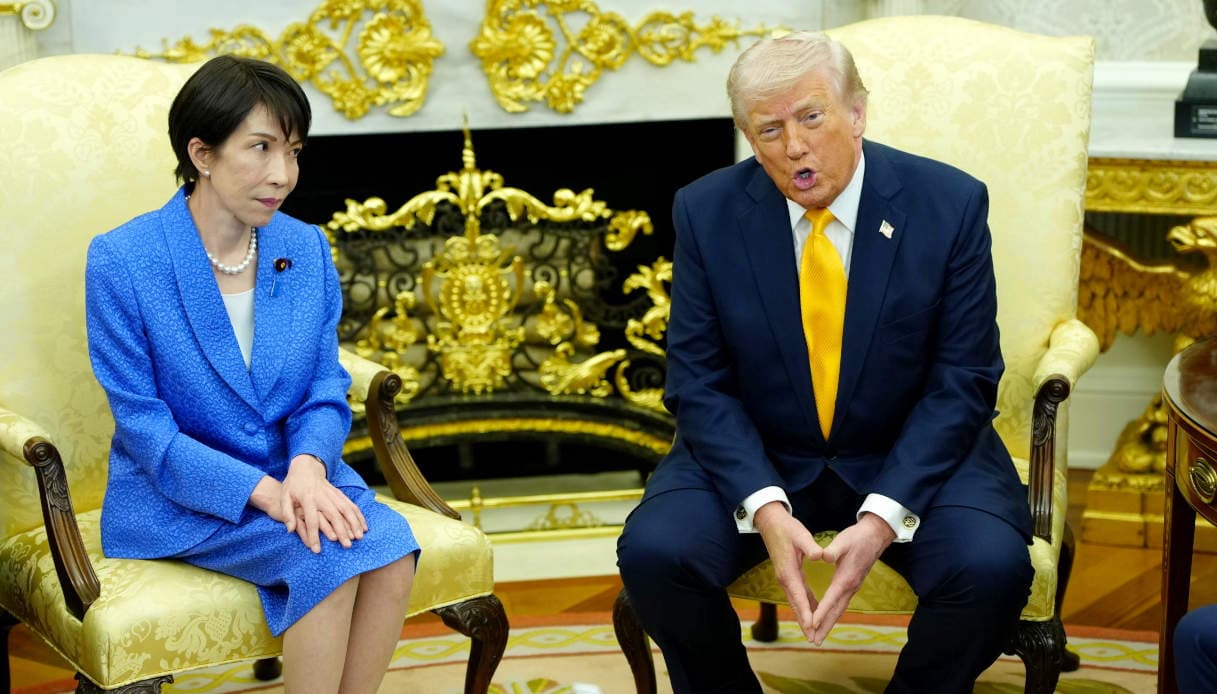
Trump Defends Iran War by Citing Pearl Harbor
12 sources compared