Full story
Cease-fire rejected, strikes continue
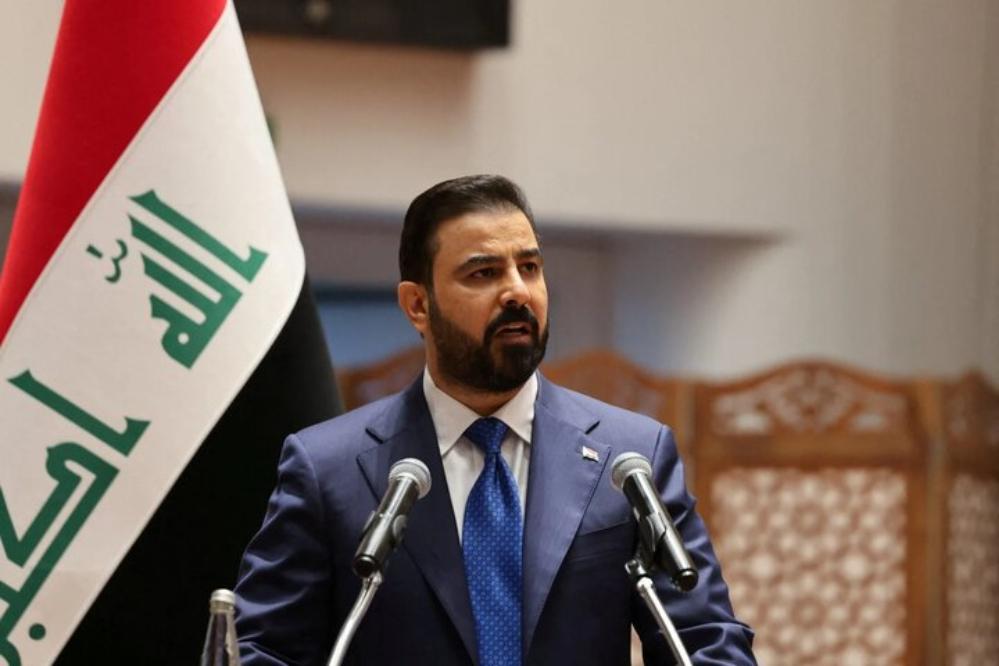
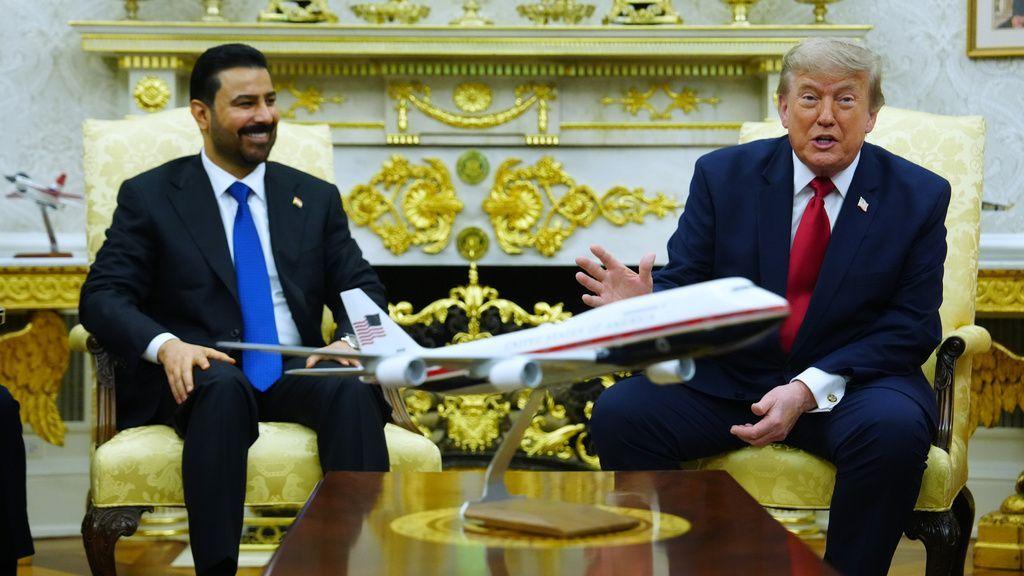
Iran rejected a cease-fire proposal presented by Iraqi Prime Minister Ali al-Zaidi on behalf of President Trump, with Iranian officials describing it as the “only offer on the table” and a “temporary deal” that did not resolve who would control the Strait of Hormuz.
“Skip to main content Trump warns China, Russia against providing arms to Iran, says it ‘would be very bad for them' LIVE UPDATES LATEST NEWS All Yemen’s Houthis call strikes on Hodeidah dangerous escalation, vow retaliation Zelenskyy says Ukraine preparing meeting with Trump, his team Zelenskyy says ceasefire in Ukraine ‘better’ than prolonged fight for 'victory' US stocks close week mixed Trump added Abraham Accords condition to Saudi nuclear deal after signing: Report UN General Assembly renews Volker Turk's term as rights chief Iranian media says US strike killed 2 crew members aboard LPG tanker near Strait of Hormuz See All”
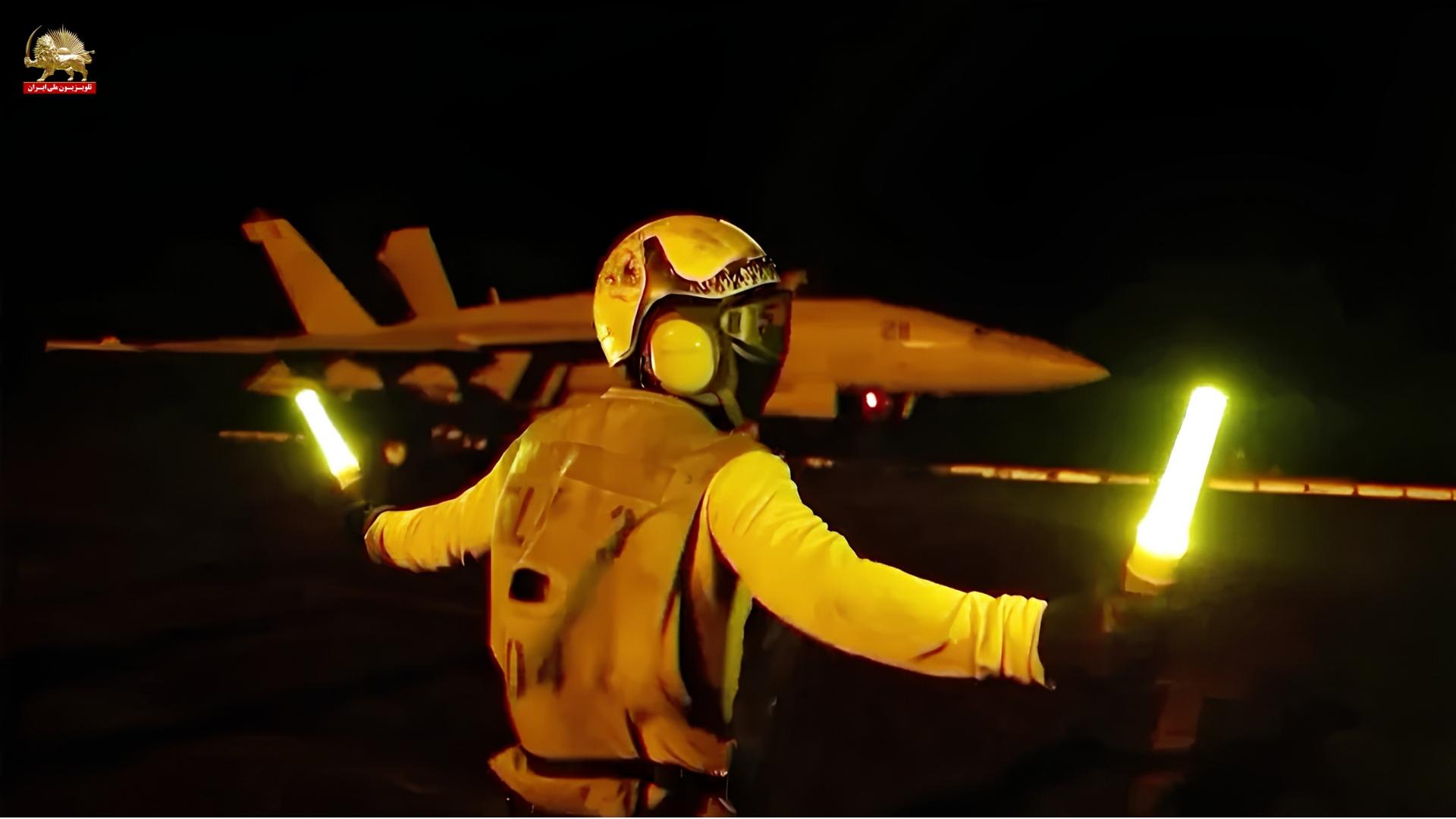
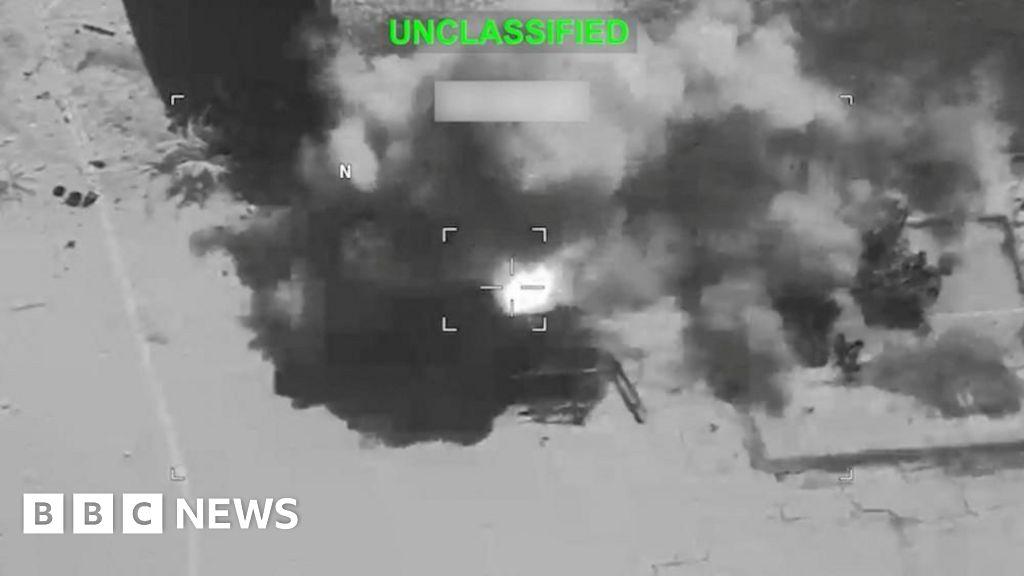
The rejection came as US forces conducted airstrikes on Iran for a 13th straight night, with the US Central Command saying the attacks targeted Iranian military command centers, drone storage facilities, communication networks, coastal surveillance sites and maritime capabilities.

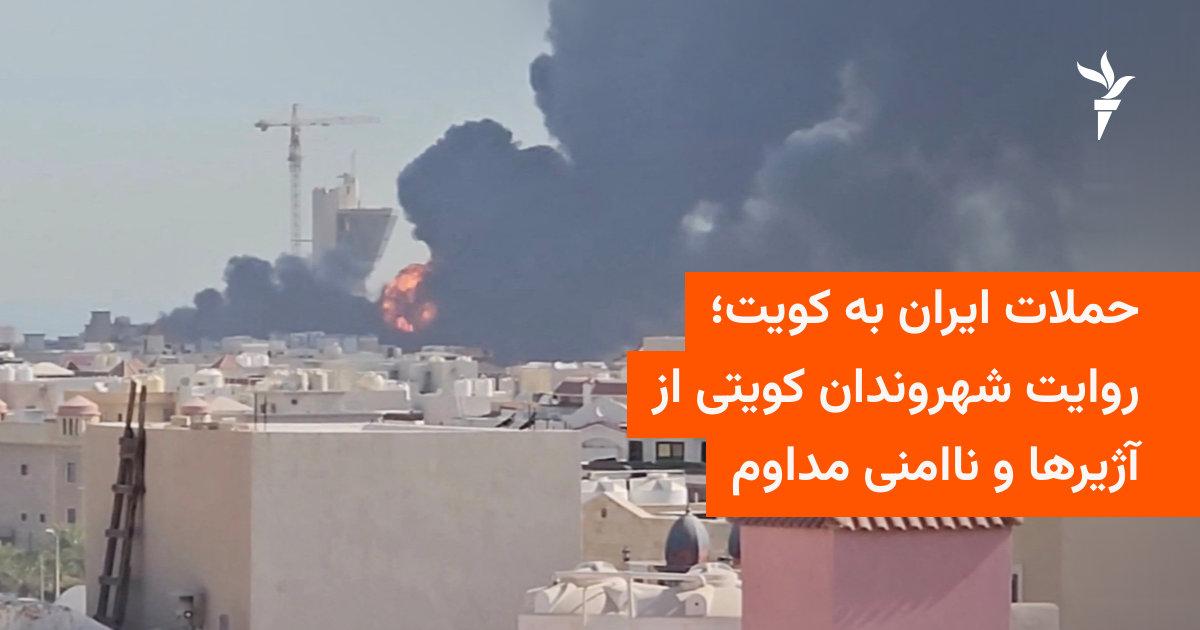
CENTCOM said “The international waterway remains open for transit despite recent attacks from Iran’s Islamic Revolutionary Guard Corps,” and added that “Commercial vessels continue to freely navigate the strait with US military support.”
Trump told Israel’s Channel 12 on Thursday, “I am considering a massive attack. Bigger than anything we have ever had before. I am close to making a decision.”
In Tehran, Iranian President Masoud Pezeshkian, lead negotiator Mohammad Bagher Ghalibaf, and Foreign Minister Abbas Araghchi met with al-Zaidi and Iraq’s delegation after the proposal was brought to Tehran.
Araghchi attacks America’s stance
On state television, Foreign Minister Abbas Araghchi said al-Zaidi shared his “views and impressions” from his trip to Washington, but argued that adding another mediator wasn’t necessary.
Araghchi told state television, “The problem is not passing messages,” and said, “The problem is America’s outlook, which is illogical, greedy and controlling.”
The Times of Israel reported that Iranian officials told the newspaper they were not interested in a “temporary deal” that would not address the final status of the Strait of Hormuz, and it said two Iranian officials warned the next stage could include Iran striking Tel Aviv.
The Times of Israel also reported Trump warned the United States would use Iranian money under Washington’s possession or control to pay for “any and all damages” done to ships and cargo by strikes in and around the Gulf.
In response, Araghchi wrote on social media, “Seizing another nation’s assets to pay for unrelated future claims is an incendiary precedent.”
Escalation risks and regional fallout
The dispute over the Strait of Hormuz remained central as Trump weighed a “massive attack,” and Time said the June 17 U.S.-Iran memorandum of understanding did not definitively answer who would control the narrow waterway.
“- i24NEWS - Middle East - Iran rejects US ceasefire proposal delivered by Iraqi prime minister - report Iran rejects US ceasefire proposal delivered by Iraqi prime minister - report The mediation effort came as Trump was threatening to escalate the war and target Iran's critical infrastructure Iran rejected a ceasefire proposal from US President Donald Trump that was carried to Tehran by Iraqi Prime Minister Ali al-Zaidi, according to Iranian and Iraqi officials cited by the New York Times”
Time reported that Oman and Iran would carry out discussions over management of the narrow waterway, and it said Iran had militarized the Strait of Hormuz at the start of the war, halting commercial shipping and “skyrocketing energy prices around the world.”
Time also said Trump repeated threats to attack Iran’s civil infrastructure, including power plants and bridges, and to “wipe out” Iran’s Revolutionary Guards, while Iran vowed to avenge the death of its Supreme Leader Ayatollah Ali Khamenei.
In parallel, The Times of Israel reported that Iranian officials said escalation could include Iran striking Tel Aviv and asking the Houthi rebel group in Yemen to impose a maritime blockade on the Bab al-Mandab strait.
The New York Post said US airstrikes aimed “to further diminish the threat Iran poses to civilian mariners and commercial vessels transiting the Strait of Hormuz,” while CENTCOM said the international waterway remained open for transit despite recent attacks.