Iran12 October, 20262 min read
Iran Reviews US Negotiation Proposals As Pakistan And Qatar Mediate Strait Of Hormuz Dispute
This article is an automated aggregation of coverage from news outlets. Our editorials offer in-depth analysis curated by the NewsCord team.
Iran reviewing US negotiation proposals with mediators Pakistan and Qatar. Future of the Strait of Hormuz remains central in talks.

Anadolu Ajansı was read line by line by the Watchdog: 2.4. See the score →
Iran reviews US talks
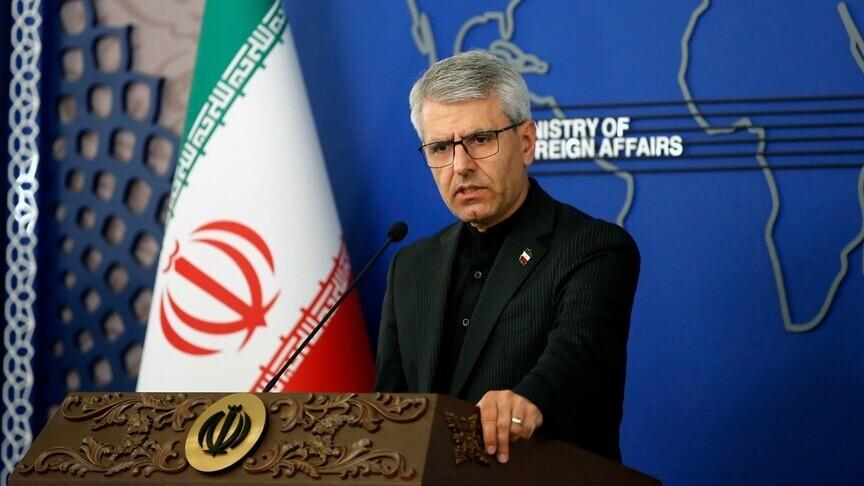
Iran’s Foreign Ministry spokesman Esmaeil Baqaei said Tehran is reviewing “the Americans’ proposals for negotiations” as indirect messages continue through mediators. Baqaei said Pakistan and Qatar “continue to play a mediating role between Tehran, Washington,” and he stressed that “Iran’s preconditions must be observed for any negotiations.”
Baqaei also said Russia continues to play a “constructive” role regarding Iran’s nuclear file, pointing to Moscow’s involvement in the 2015 nuclear agreement. Baqaei linked Strait of Hormuz developments to “the direct result of the US and the Israeli regime’s attack on Iran,” and he added, “With the current US approach, security will not return.”
Hormuz dispute and threats
Iran’s Deputy Foreign Minister for Legal and International Affairs Kazem Gharibabadi said in Bandar Abbas that the strait is “an integral part of Iran’s national security.” Gharibabadi said Iran’s announced controls would remain in place until Washington abandoned military action and returned to its commitments, and he warned that vessels attempting to transit without coordination could face measures by Iran’s armed forces.
Mohsen Rezaei, head of Iran’s Supreme National Security Council, said Tehran finds the latest U.S. response “insufficient” as efforts to fully open the Strait of Hormuz limp along. Rezaei threatened “cables, data centers, AI facilities and other sites in the region” if intense fighting breaks out again.
Negotiations, elections, and risk
Dr. Mohammed Fayez Farhat said President Donald Trump’s warnings about possible Iranian movements before the midterm elections reflect U.S. fears of not being able to resolve the Iranian file before the elections.
Farhat said the crisis has entered “a phase of extreme complexity” since the start of the double blockade of the Strait of Hormuz, and he said Iran speaks of seven conditions while the United States regards them as inapplicable.
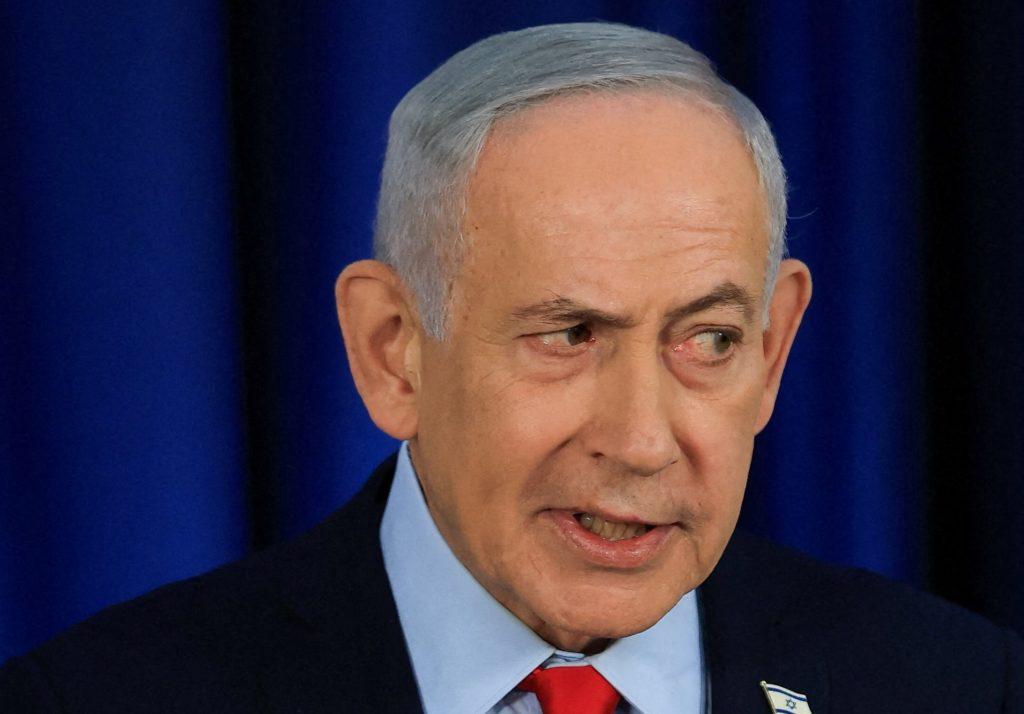
In a separate account of the U.S. political timeline, News.ir said Donald Trump stated, “after the midterms, it may be possible to intensify bombing Iran,” and it tied that to the question of whether a broad military strike could come before November 3.
TradingKey said Trump stated the United States will not attack Iran before the midterm elections on November 3 and called discussions with Tehran “productive,” while noting that the U.S. naval blockade of Iran will continue.