
Iran says airstrike hit Natanz facility as war enters fourth week
Key Takeaways
- Airstrike hit Natanz uranium-enrichment facility.
- Iran says there was no radiation leakage from the attack.
- War enters the fourth week with expected escalation of US-Israeli strikes.
Natanz Strike Confirmed
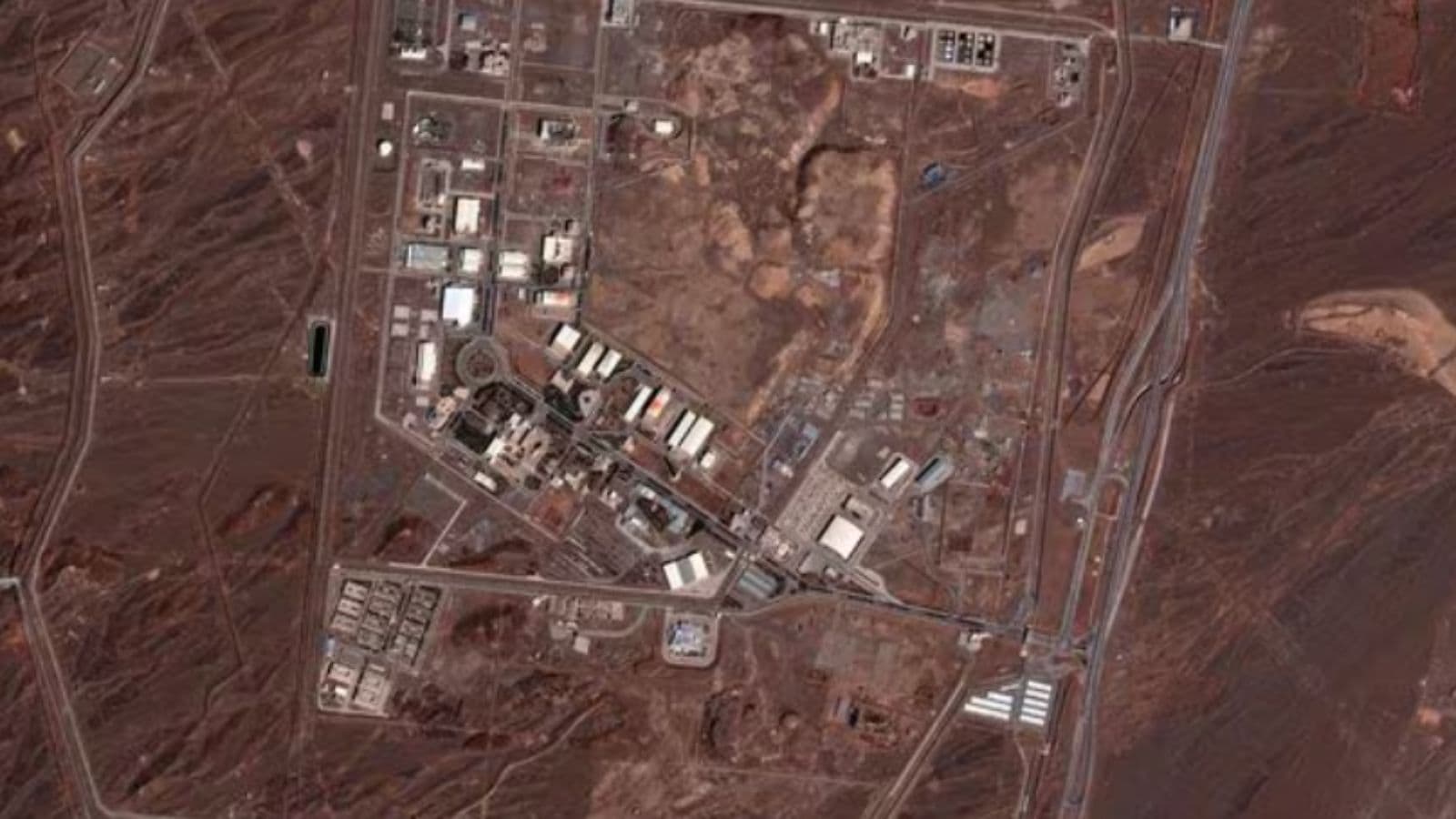
Iran's main nuclear enrichment facility at Natanz was targeted in an airstrike on Saturday as the Middle East conflict entered its fourth week.
“Iran's Natanz nuclear enrichment facility was hit in an airstrike on Saturday, an official Iranian news agency reported, saying there was no radiation leakage, while Israel's defence minister warned of an upcoming surge in attacks on Iran as the war in the Middle East entered its fourth week”
Iranian authorities confirmed the attack but insisted there was no radiation leakage.
The strike follows previous attacks on the facility during the current conflict, according to satellite images showing damaged buildings.
The International Atomic Energy Agency has been monitoring the situation, with the UN nuclear watchdog noting that no radiological consequences were expected from earlier strikes.
Located approximately 135 miles southeast of Tehran, Natanz has been a repeated target of Israeli and US military operations.
The facility was previously struck during the 12-day war between Iran and Israel in June 2025.
Israeli Escalation
Israeli Defense Minister Israel Katz responded to the Natanz attack by announcing a significant escalation in military operations against Iran.
Katz declared that 'the intensity of the attacks' by Israel and the United States against Iran's ruling theocracy will 'increase significantly' in the coming week.

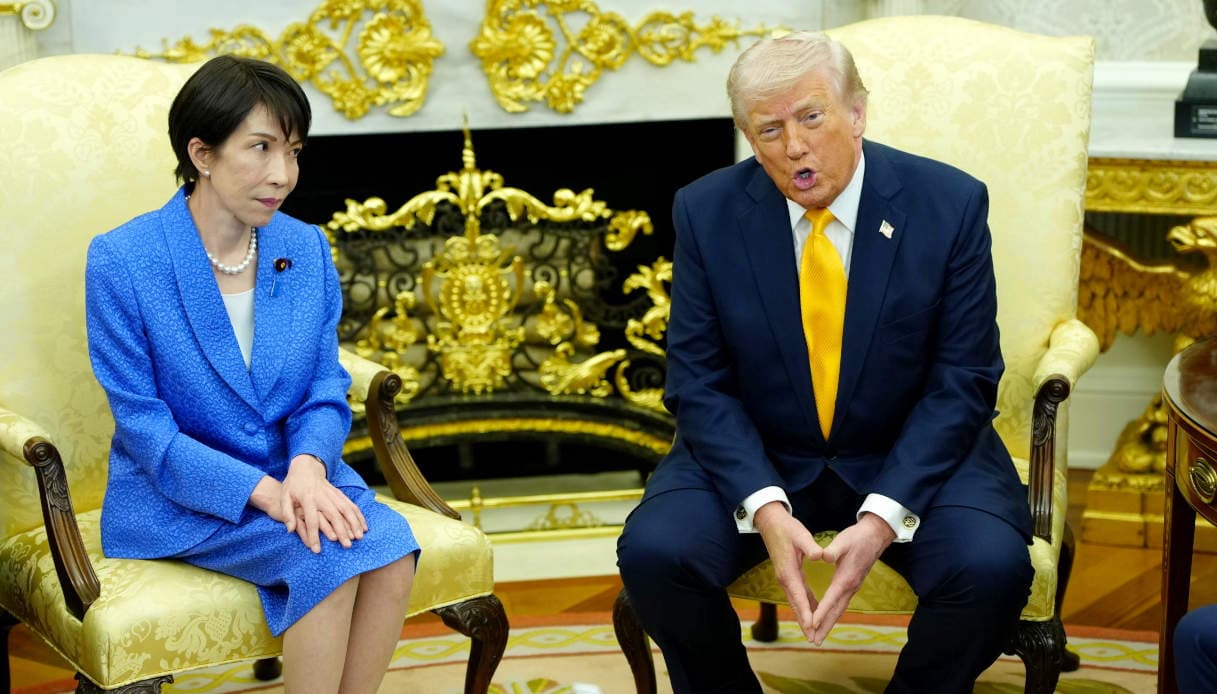
The warning came just hours after US President Donald Trump's conflicting statement about potentially 'winding down' military operations in the Middle East.
This created mixed signals about US strategy in the ongoing conflict.
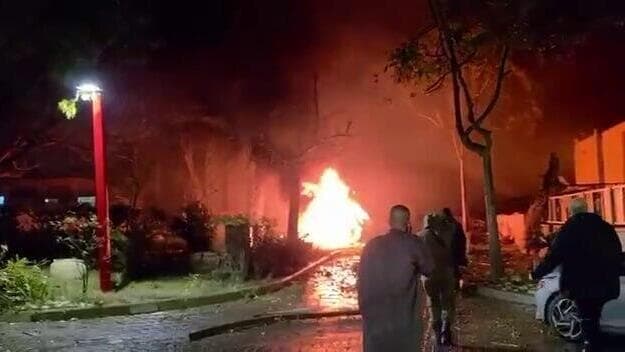
Meanwhile, Iranian missile fragments struck an empty kindergarten near Tel Aviv.
Israeli army spokesperson Nadav Shoshani posted video evidence of the damaged building on social media.
No casualties were reported from the kindergarten strike as it was unoccupied at the time of impact.
Regional Escalation
The Middle East conflict continued to escalate across multiple fronts.
“There was no radiation leakage, it said, as the war in the Middle East entered its fourth week”
Heavy airstrikes were reported in Tehran overnight and into the following morning, according to residents.
In Iraq, a drone strike targeted the intelligence service headquarters in Baghdad.
The attack resulted in the death of an officer, though no group immediately claimed responsibility.
Saudi Arabia reported successfully downing 20 drones in its eastern region, home to major oil installations.
The United Arab Emirates' Defence Ministry announced it had responded to three ballistic missiles and eight drones.
Iran's top military spokesperson, Gen. Abolfazl Shekarchi, renewed threats to attack 'parks, recreational areas and tourist destinations' worldwide.
This raised concerns about potential militant attacks beyond the Middle East.
US Mixed Signals
The United States has sent conflicting signals about its commitment to the Middle East conflict.
President Trump publicly considered 'winding down' military operations while simultaneously reinforcing military presence.
The Trump administration announced deploying three more amphibious assault ships and roughly 2,500 additional Marines to the Middle East.
These reinforcements join more than 50,000 US troops already stationed in the region.
This military buildup contradicts Trump's social media statement about being 'very close to meeting our objectives' and considering winding down military efforts.
The administration also requested another $200 billion from Congress to fund the ongoing war.
Meanwhile, sanctions on Iranian oil already loaded on ships were lifted to address soaring fuel prices causing market volatility.
International Response
International monitoring efforts continue amid the escalating conflict.
“Dubai: Israeli Defence Minister Israel Katz on Saturday said attacks against Iran will “increase significantly” in the coming week”
The International Atomic Energy Agency is actively investigating the reported attack on Iran's Natanz nuclear facility.
The IAEA confirmed that Iran had informed the agency of the airstrike.
The agency stated that 'no increase in off-site radiation levels reported' in relation to the incident.
Russian President Vladimir Putin issued a message of solidarity with Iran.
Putin congratulated Iranians on the Nowruz new year festival and affirmed that 'Moscow remains Tehran's loyal friend and reliable partner.'
The United Nations' nuclear watchdog had previously indicated that 'no radiological consequence' was expected from earlier strikes.
The ongoing attacks have raised international concerns about nuclear safety and regional stability.
Human Cost Mounting
The human cost of the three-week-old Middle East conflict continues to mount.
Death tolls are rising across multiple countries with millions of people displaced.
Official reports show more than 1,300 people killed in Iran, over 1,000 in Lebanon, 15 in Israel, and 13 US military members.
Millions of people in Lebanon and Iran have been forced to flee their homes, creating a growing humanitarian crisis.
The strikes occurred during Nowruz, the Persian New Year celebration.
Supreme Leader Ayatollah Mojtaba Khamenei described the holiday as being 'muted by the war' in his written statement.
Khamenei praised Iranians' steadfastness in the face of ongoing conflict.
With limited information coming out of Iran, the extent of damage to arms, nuclear, and energy facilities remains unclear.
The international community continues to monitor the situation closely.
More on Iran
Iran Attacks Israeli Towns Dimona and Arad Near Israel's Main Nuclear Research Center, Dozens Wounded
43 sources compared
Iran Attacks Dimona in Retaliation for Natanz Strike
44 sources compared

Iran Attacks Diego Garcia with Long-Range Missiles, Targeting U.S.-UK Base
82 sources compared
Trump Defends Iran War by Citing Pearl Harbor
12 sources compared