Gaza Genocide · 12 August, 2026 · 3 min read
Iran Says Regional Pact in Mecca Targets Israel, Citing US Failure to Pressure Tehran
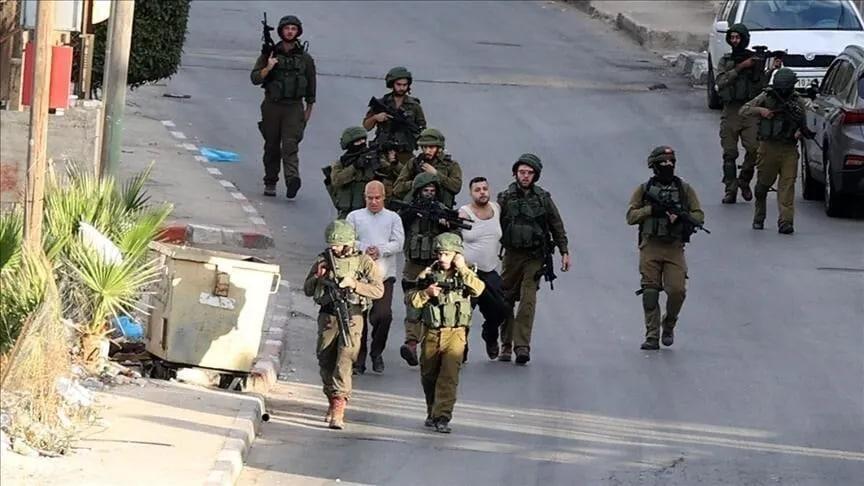
Israeli settlers maintain siege of Palestinian homes in Qusra, West Bank, for a fourth day. Israeli military withdrew after attempting to end the siege, leaving residents confined.
14 outlets told this the same way.
14outlets compared
Gaza war context
The Times of Israel framed a regional defense pact signed in Mecca last week as a diplomatic signal rather than a battlefield challenge, quoting a senior Israeli official saying, "It is a pact aimed at Israel." In the same report, Iran’s Foreign Ministry spokesman Esmaeil Baghaei said, "Countries in the region cannot rely on the claim of security provided by the US as in the past," linking the agreement to the failure of the US to confront Iran and sustain pressure on Tehran. The Times of Israel also cited Simon Henderson, Baker senior fellow at The Washington Institute for Near East Policy, saying, "These countries are showing frustration with the lack of success and the muddle of US diplomacy," while describing the pact as not creating a unified military force.
The article then connected the regional signaling to Israel’s 2025 strike on Hamas leaders in Doha, and to Saudi Arabia’s mutual defense treaty with nuclear-armed Pakistan that "officially regards any attack on either nation as an attack on both." Against that backdrop, the report argued that the newest defense agreement would not quickly translate into joint action because the three countries face different military threats and do not want the concessions required for a real military alliance.
Lebanon and Gaza-linked war
ASHARQ AL-AWSAT reported that Lebanese Prime Minister Nawaf Salam condemned Israel’s "systematic destruction" in the country’s south as a violation of international law, saying Israeli "attacks, incursions, demolitions and the systematic destruction of homes" breached international humanitarian law. The same article quoted Israel’s Defense Minister Israel Katz, who visited southern Lebanon and vowed to keep troops in a so-called "security zone" there, adding that the Israeli military was "destroying all the houses" and "destroying the underground infrastructure" in the area. ASHARQ AL-AWSAT said Hezbollah drew Lebanon into the Middle East war in March by attacking Israel, which responded with heavy airstrikes and a ground invasion that Lebanese authorities say have killed more than 4,300 people.
It also described a framework deal reached in late June between Lebanon and Israel involving disarmament of the Iran-backed group, a gradual withdrawal of Israeli forces from south Lebanon, and deployment of the Lebanese army to the region starting in "pilot zones." The article added that Lebanon still reports intermittent Israeli strikes and ongoing demolitions, including detonations in southern villages such as Zawtar al-Shariqyeh, which abuts one of the pilot zones, and said Israel and Lebanon are to hold an eighth round of US-sponsored negotiations next month in Rome.

West Bank siege amid war
In the occupied West Bank, the BBC reported that Israeli settlers besieged two Palestinian families in their homes in Qusra near Nablus, with the families saying their supplies were running out and rights groups urging authorities to step in. The BBC quoted Qusay Abu Ridi saying the situation was critical, "especially as we are completely isolated," and it also reported that Aysha Hassan said the settlers had "tried to break the gate" and were "throwing stones at us, cursing and insulting us." France 24, citing an AFP photographer and an eyewitness, described the siege beginning on Sunday when settlers set up a makeshift tent near houses in Qusra, blocking essential supplies from entering, and it quoted Qusai Abu Rida saying, "We have received no food and no medicine."
France 24 added that the Israeli military condemned the settlers’ actions and declared the area a "closed military zone," before removing the tent where settlers had been staying, while AFP reported that by mid-afternoon the tent was removed but settlers remained at the site. The National reported that Israel’s military withdrew troops sent to end the days-long siege by Wednesday afternoon, while also quoting the military’s position that its soldiers were still "operating in the area to enforce the closed military zone order," as the family’s inability to leave began after settlers established an illegal outpost on their land.