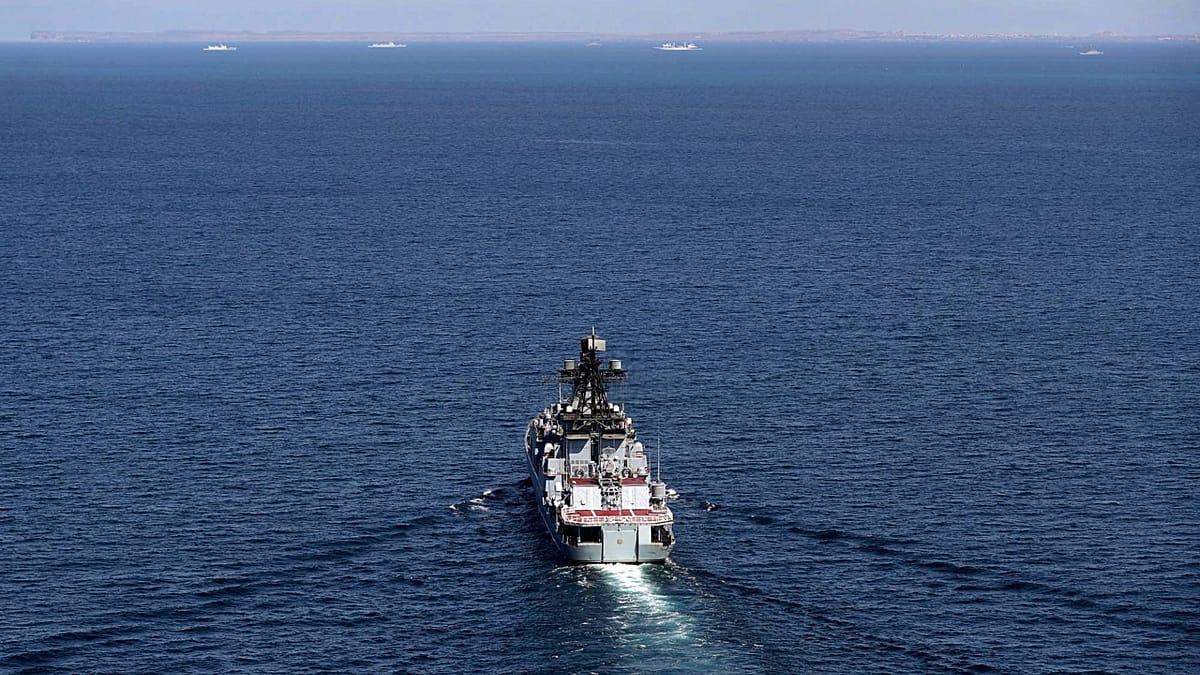
Iran Sets One-Month Deadline for U.S. To End Strait of Hormuz Naval Blockade
Key Takeaways
- Iran set a one-month deadline for the US to end the Strait of Hormuz blockade.
- Iran delivered a 14-point proposal to reopen the Strait of Hormuz and end the blockade.
- The US is pursuing a new international coalition to reopen the Strait of Hormuz.
Hormuz blockade and new rules
Iran and the United States remain locked in a standoff over the Strait of Hormuz as Washington refuses to lift its naval blockade of Iranian ports, even while Tehran presents new proposals for reopening maritime access.
“The Strait of Hormuz, a narrow waterway once carrying roughly a fifth of the world’s oil and gas, remains effectively closed after the United States and Iran imposed competing blockades”
The Irish Times reports that “Trump vowed to maintain a naval blockade” as the two sides pursue “behind-the-scenes diplomacy to turn a fragile ceasefire into a lasting peace,” and it adds that “Tehran relayed its latest position to Washington via Pakistan, which mediated a first round of direct negotiations last month.”

The same Irish Times account says the fate of the strait “lies at the heart of the current stalemate,” with both sides signaling they are waiting for the other to move first before easing restrictions on traffic.
The Hill reports that the U.S. blockade “is one of the actions President Trump has used to inflict pressure on Iran as negotiations with Tehran appear to be at a stalemate,” and it places the blockade’s start at April 13.
The Hill also says the Pentagon estimated the blockade has cost Iran about $4.8 billion in oil revenue, citing a Pentagon official familiar with the assessment.
In parallel, CNN Arabic describes how, after the conflict began in late February, Iran warned ships against attempting to use the strait and later attributed to Iran’s leadership a push to keep using “the pressure card of closing the Strait of Hormuz.”
Timeline and competing proposals
The standoff is unfolding against a timeline that multiple outlets tie to the ceasefire and the War Powers Act deadline.
The Hill says Trump informed Congress that the ongoing ceasefire with Iran “extends the timeline between the start of the conflict on Feb. 28 and the 60-day deadline invoked by the War Powers Act,” and it notes that the president was briefed by the Centcom commander, Adm. Brad Cooper, and the chairman of the Joint Chiefs of Staff, Gen. Dan Caine, on Thursday about new potential military options.
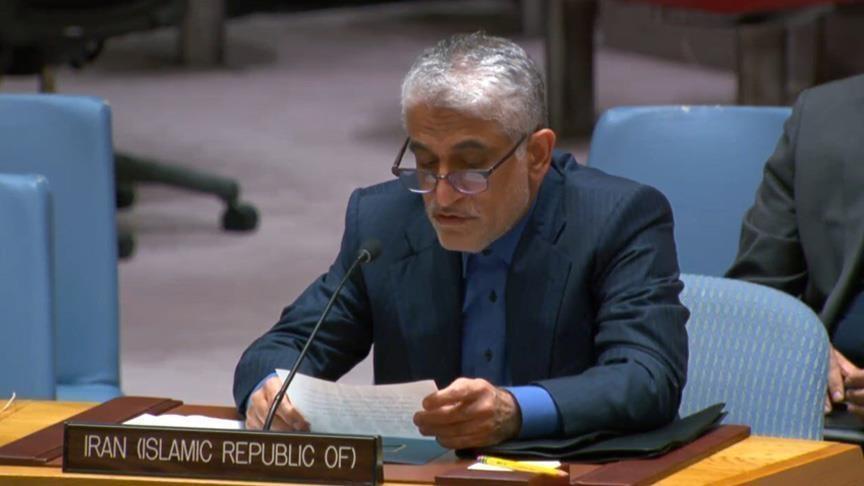
The Hill also states that “Since the blockade went into effect on April 13, the U.S. forces in the Middle East have forced 45 commercial vessels to turn around or return to port,” with U.S. Central Command (Centcom) saying so on Friday.
In parallel, Axios-related reporting carried by VOI.ID and ABNA via the Arabic-language outlet says Iran set a one-month deadline for the United States to end the blockade and stop the war in Iran and Lebanon forever.
VOI.ID says “Iran delivered a 14-point proposal to the United States on Thursday (April 30)” and that “the Iranian proposal sets a one-month timetable to reach an agreement, including maritime access, ending the naval blockade, and an ongoing ceasefire.”
The ABNA/Axios account says Tehran submitted to Washington an updated “14-point plan” that sets “a tight timeline” for “maritime access, the lifting of the blockade of Iranian ports, and the establishment of a durable ceasefire on two fronts—Iran and Lebanon.”
Trump’s response and UAE skepticism
U.S. President Donald Trump’s public posture combines a willingness to review Iran’s latest proposal with a refusal to commit to ending the blockade immediately.
The Irish Times says Trump expressed displeasure with the state of negotiations, telling reporters at the White House Friday, “They want to make a deal but I’m not satisfied with it,” and it adds that “Trump vowed to maintain a naval blockade” as Iran delivered a new proposal.
The Irish Times also quotes Trump describing the blockade in absolute terms: “The strait is totally shut down, it’s flawless. It’s 100 per cent shut down,” and it says he added that the U.S. “wasn’t ready to end the war.”
The ABNA/Axios account says Trump told reporters on local time Saturday, “I am reviewing it and will announce my position later,” and it says that “hours later, in a post on the Truth Social network, he adopted a harsher tone” and wrote that “it's hard to imagine this proposal being acceptable.”
The same ABNA/Axios report says Trump noted Iran “has not yet paid enough price for its actions” and “did not rule out the possibility of issuing new attack orders.”
Meanwhile, the Irish Times includes a separate regional critique from the UAE, quoting a senior UAE official saying Tehran “could not be trusted over any unilateral arrangements it makes for the Strait of Hormuz.”
How the blockade is playing out
While U.S. officials describe the blockade as operating “with full force,” other reporting highlights how the situation remains contested and potentially unstable.
The Hill says the blockade is “operating with full force” and quotes Joel Valdez saying, “Our Armed Forces in the region will continue to maintain this unrelenting pressure,” and it describes Iran as “choking off the Strait of Hormuz” while U.S. forces blockading ships in the Gulf of Oman.

CNN Arabic says the U.S. military “intercepted 48 ships over 20 days and forced them to turn back,” but it also says “some Iranian ships still pass,” citing Tanker Trackers’ claim that an Iranian oil tanker “fully loaded with more than 1.9 million barrels (worth about $220 million) of crude oil managed to slip past the U.S. Navy and reach the Far East.”
CNN Arabic also reports that Iran’s state television said Parliament is set to pass a law cementing Tehran’s control over the Strait of Hormuz, and it quotes Press TV’s description of a “12-point plan” in which “Israeli ships would not be allowed to pass at all.”
The same CNN Arabic account says the proposed regime would require ships coming from hostile countries to pay “war damages” to obtain a permit to cross, and it adds that an Iranian military spokesman said on Sunday: “The Strait of Hormuz is under total control, and no ship—friend or foe—may pass through without our permission.”
The BBC’s long-form explainer frames the blockade as part of a psychological and economic contest, writing that “ships are halted, routes are altered, mines have become the nightmare of shipping companies, oil prices rise,” and it describes the blockade as “meant to apply pressure on Tehran.”
Stakes, legal deadlines, and risk
The stakes described across the reporting extend from oil revenue and shipping disruption to the legal and political constraints on military action.
The Hill ties the blockade to pressure and quantifies its impact, saying the Pentagon estimated it has cost Iran “about $4.8 billion in oil revenue,” and it reports that the blockade began after April 13 and forced “45 commercial vessels” to turn around or return to port.

The Irish Times says the strait is central to the stalemate and notes that it is “through which about a fifth of the world’s oil and liquefied natural gas flowed before the war,” making the waterway’s status a global economic concern.
The BBC explainer emphasizes that the Strait of Hormuz is “not fully replaceable for a large portion of the world’s oil and gas,” and it states that “about one‑fifth of the oil traded globally and nearly a third of liquefied natural gas exports pass through this route.”
On the political-legal side, Monte Carlo International Radio discusses the “Sixty-day deadline with Iran” and says the War Powers Act countdown is ending, while it also states that opponents and legal experts argue the truce “does not stop the legal countdown,” especially with “continued tensions in the Strait of Hormuz and the naval blockade and threats to resume strikes.”
The ABNA/Axios reporting adds that Trump might issue “new attack orders,” and VOI.ID reports Trump saying, “Tell me about the concept of the agreement,” while also criticizing Iran on Truth Social for not paying enough “for what they have done to humanity and the world in the past 47 years.”
More on Iran
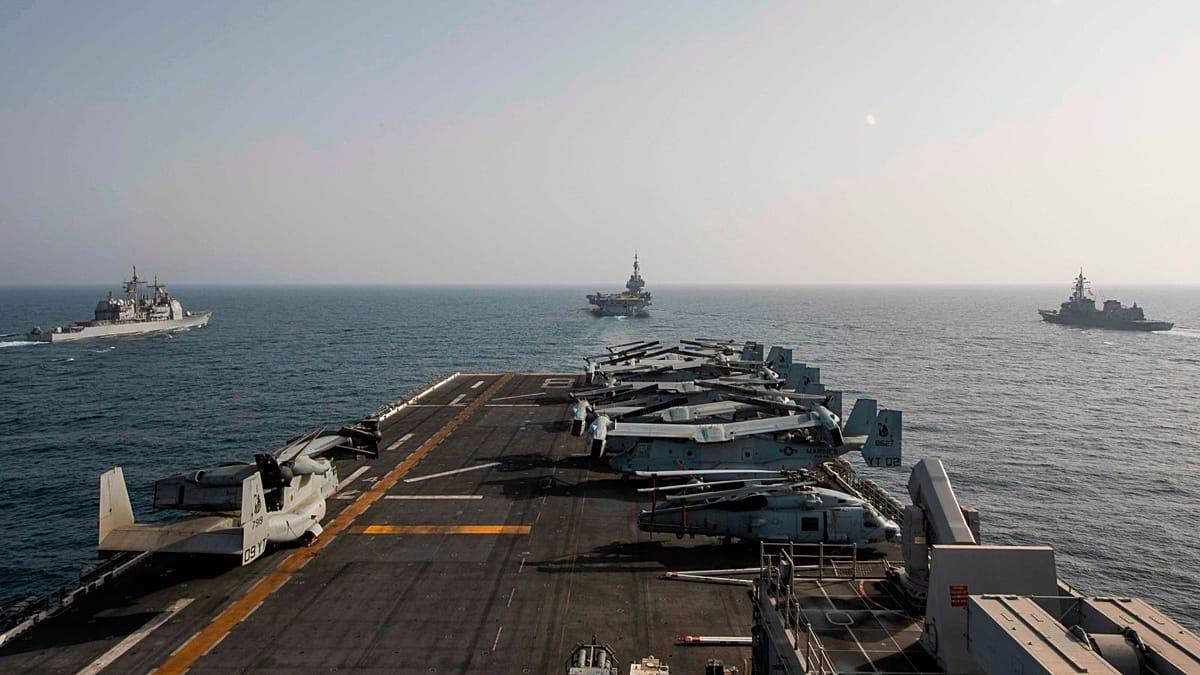
Pentagon Says U.S. Blockade In Strait Of Hormuz Cost Iran $4.8 Billion In Lost Oil Revenue
28 sources compared

Reuters Investigation Links Nobitex Founders Ali And Mohammad Kharrazi To Sanctioned Entities
11 sources compared

Donald Trump Reviews Iran’s 14-Point Proposal, Threatens New Strikes If Tehran Misbehaves
31 sources compared

Donald Trump Reviews Iran’s 14-Point Peace Proposal, Says Iran Has Not Paid Enough Price
26 sources compared