Full story
Compensation and Control
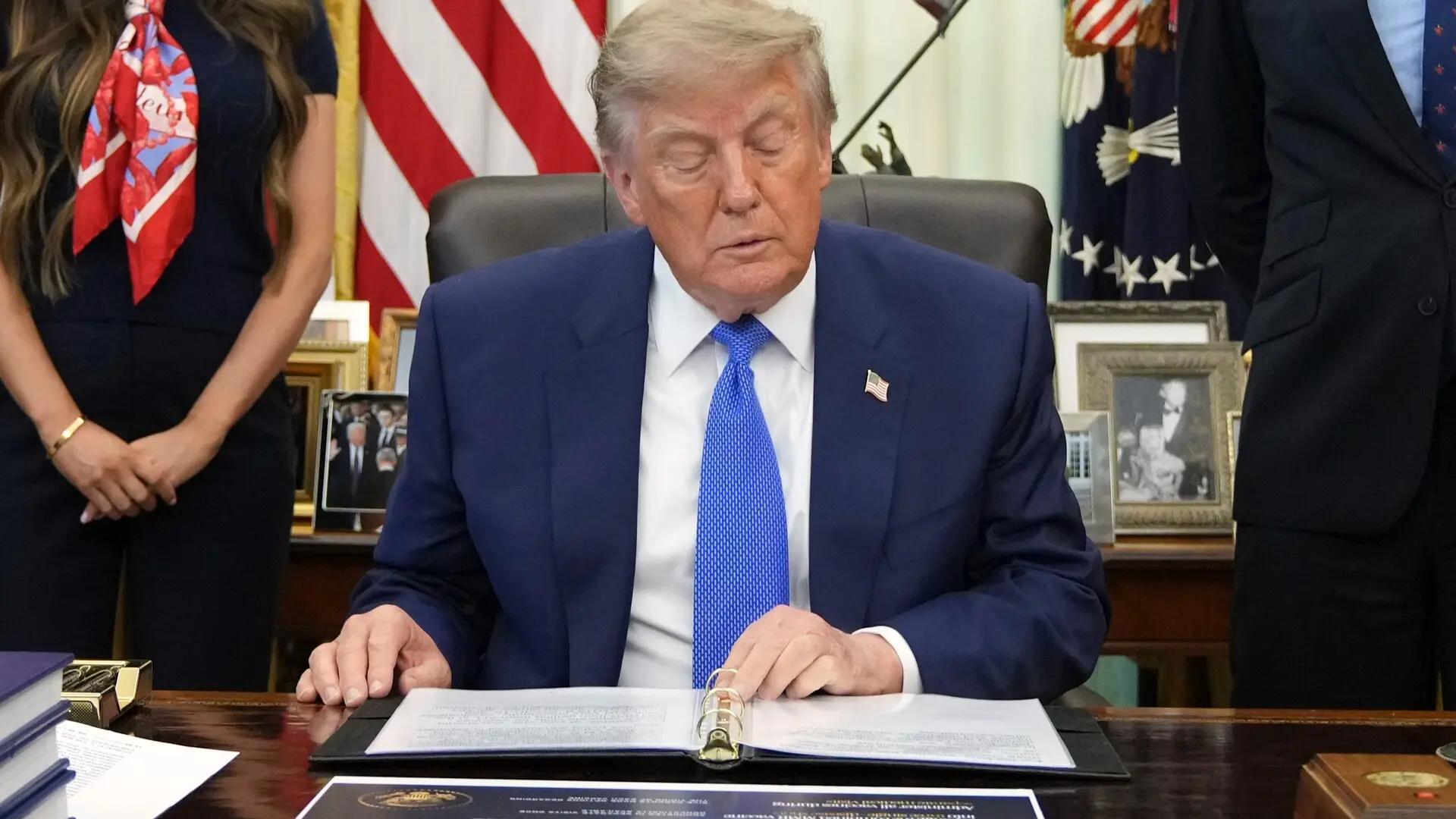
Donald Trump said he will demand compensation from Iran for the war, writing on Truth Social: "It’s an interesting idea because now I also demand compensation from Iran for all the people they have killed and seriously wounded with their bombs on roads."
“"It’s an interesting idea because now I also demand compensation from Iran for all the people they have killed and seriously wounded with their bombs on roads”
Trump said he ordered his representatives to incorporate the demand into future negotiations, stating: "I have instructed my representatives to firmly include this in each and every one of the future negotiations."
The dispute over compensation is tied to Iran’s conditions for reopening maritime traffic through the Strait of Hormuz, including "the lifting of the naval blockade" and "the end of U.S. sanctions" and "compensation for the damages caused by the war initiated by the United States and Israel on February 28 of last year."
Trump also insisted the United States maintains control of the strait, telling reporters during a press briefing in the Oval Office at the White House: "The only one who controls the Strait of Hormuz at this moment is the United States Navy."
Indefinite Blockade
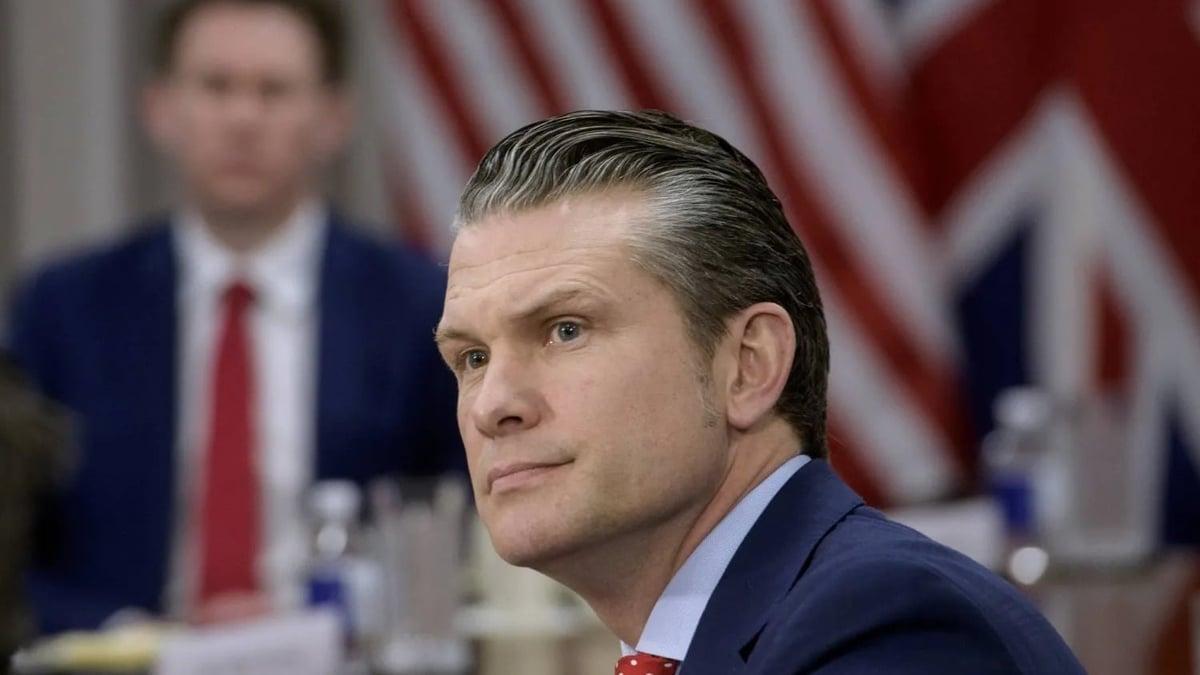
U.S. Defense Secretary Lloyd Austin said the United States can continue the blockade of Iran’s ports "as long as needed," adding that "The U.S. Navy can maintain a blockade of this kind for an indefinite period, because we rotate ships in and out."
Iran’s Central Command spokesperson Ibrahim al-Zoghari denied the claims of routine passage through the Strait of Hormuz, calling them "nothing but lies."
Al Jazeera reported that lawmakers raised alarm after reports of dire conditions on board the USS Abraham Lincoln, including accounts of sailors trying to jump overboard, as the blockade and economic isolation remain in deadlock.
In response to Trump’s claims that the strait is no longer blocked, Iran’s Persian Gulf Strait Authority posted on X: "The Strait of Hormuz remains blocked and will not be reopened until Iran’s conditions are accepted," and added that "Claims and repeated posts by US officials" do not change that reality.
Demands, Deadlines, and Oil
Iran presented a list of demands that the United States must meet before reopening the Strait of Hormuz, including lifting "the naval blockade and sanctions on Iran" and paying "compensation for the war" while also withdrawing "its armed forces from the region around Iran."
“reopening the strait requires the United States to lift the naval blockade and sanctions on Iran”
Mohammad Bagher Zolqadr said in a statement carried by official media that reopening the strait requires the United States to "release frozen Iranian assets" and "halt attacks on Tehran's regional allies and end threats against Iran."
The same reporting tied the demands to the June "memorandum of understanding" and its expiration, saying the memorandum is due to end on August 16 and warning that if it is not extended by Sunday, the current "no war, no peace" state may continue.
As the standoff affects energy flows, the reporting said Brent crude was trading near $87 per barrel after a 2.2% drop in the prior session, while the dispute over Hormuz is linked to "about a fifth of global oil and gas shipments" passing through the waterway.