
USA · 16 August, 2026 · 2 min read
J.D. Vance Says U.S. Prioritizes Keeping Oil And Gas Cheap In War Against Iran
Vance says keeping oil and gasoline prices low is the war's top US priority. Officials describe a new phase where economic pressure is the most effective tool.
54 outlets told this the same way.
Outlets did split on Donald Trump Approves New Fuel Economy Standards, Rolling Back Biden’s EV Mandate →
7 of 10 outlets skipped it: military feasibility issue: US must access missiles and drones quickly.
NBC News was read line by line by the Watchdog: 4.5. See the score →
54outlets compared
Vance puts energy first
U.S. Vice President J.D. Vance told Fox News that the United States’ top priority in the war against Iran is to keep oil and gasoline prices low for Americans, while preventing Tehran from obtaining a nuclear weapon comes in second.
“That is objective number one: to keep oil and gas cheap for Americans across our country.”
Vance said, “That is objective number one: to keep oil and gas cheap for Americans across our country,” and he added, “And then, obviously, objective number two is to make sure Iran never obtains a nuclear weapon.”
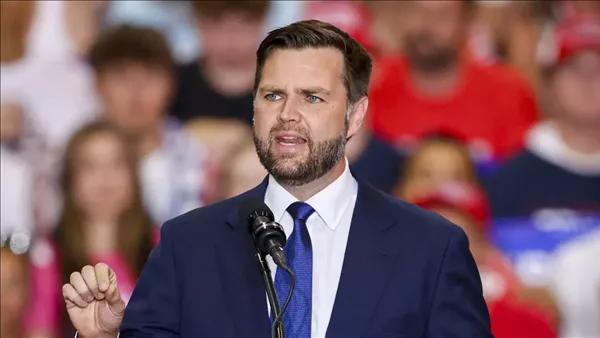
The remarks were framed as a shift from President Donald Trump’s statements that the sole objective of entering the war is to prevent Iran from having a nuclear weapon, even if that requires short-term economic sacrifices by Americans.
The coverage also tied the administration’s priorities to the Strait of Hormuz, describing the war as centering on control of the strait that Iran has placed at the top of the negotiation agenda.
Leavitt: both goals equal
When asked about Vance’s comments, White House press secretary Karoline Leavitt said, “both objectives are equally as important to the president.” CNN reported that Vance’s ordering of the goals on Fox News—energy price stability first and the nuclear objective second—was “striking,” and it contrasted that with the administration’s prior emphasis on denuclearization.
CNN also quoted Trump rejecting consideration of Americans’ finances when resolving the war, saying, “Not even a little.” The same CNN account described the administration as having “shifted and been pared back” its list of absolutist goals as the war dragged on, while still keeping “Iran never getting a nuclear weapon” among the stated aims.

Sanctions and blockade pressure
The Reuters account in EnergyNow said the U.S. has started waiving some sanctions on Iran under their interim deal to end the war, but it warned that fully unravelling restrictions under a more comprehensive agreement “will be much harder.” It added that any effort to lift sanctions on Iran could take years and that foreign investment might take a long time to return, while noting that sanctions have been imposed by the U.S., the United Nations, the European Union and other countries for decades over Iran’s nuclear programme, human rights record and support for groups around the region.
“Bessent threatened to subject Iran to economic isolation ‘like the world has never seen before.’”
IOL reported that the Treasury secretary Scott Bessent said new economic punishment to wear down Tehran is imminent and that the comments by Vance and Bessent illustrated the leverage Tehran has gained by shutting down the Strait of Hormuz. IOL also quoted Vance on Fox News saying, “That’s goal number one – keep oil and gas cheap for Americans all over our country,” and it described Bessent threatening to subject Iran to economic isolation “like the world has never seen before.”