USAupdated 26m ago3 min read
Archive photoU.S. Supreme Court Stays Injunction, Lets Trump Border Wall Work Resume in Big Bend National Park
7 Western Mainstream4 Other2 Latin American3 Other source typesPhoto: Adbar, CC BY-SA 3.0 · Cropped for layout
This article is an automated aggregation of coverage from news outlets. Our editorials offer in-depth analysis curated by the NewsCord team.
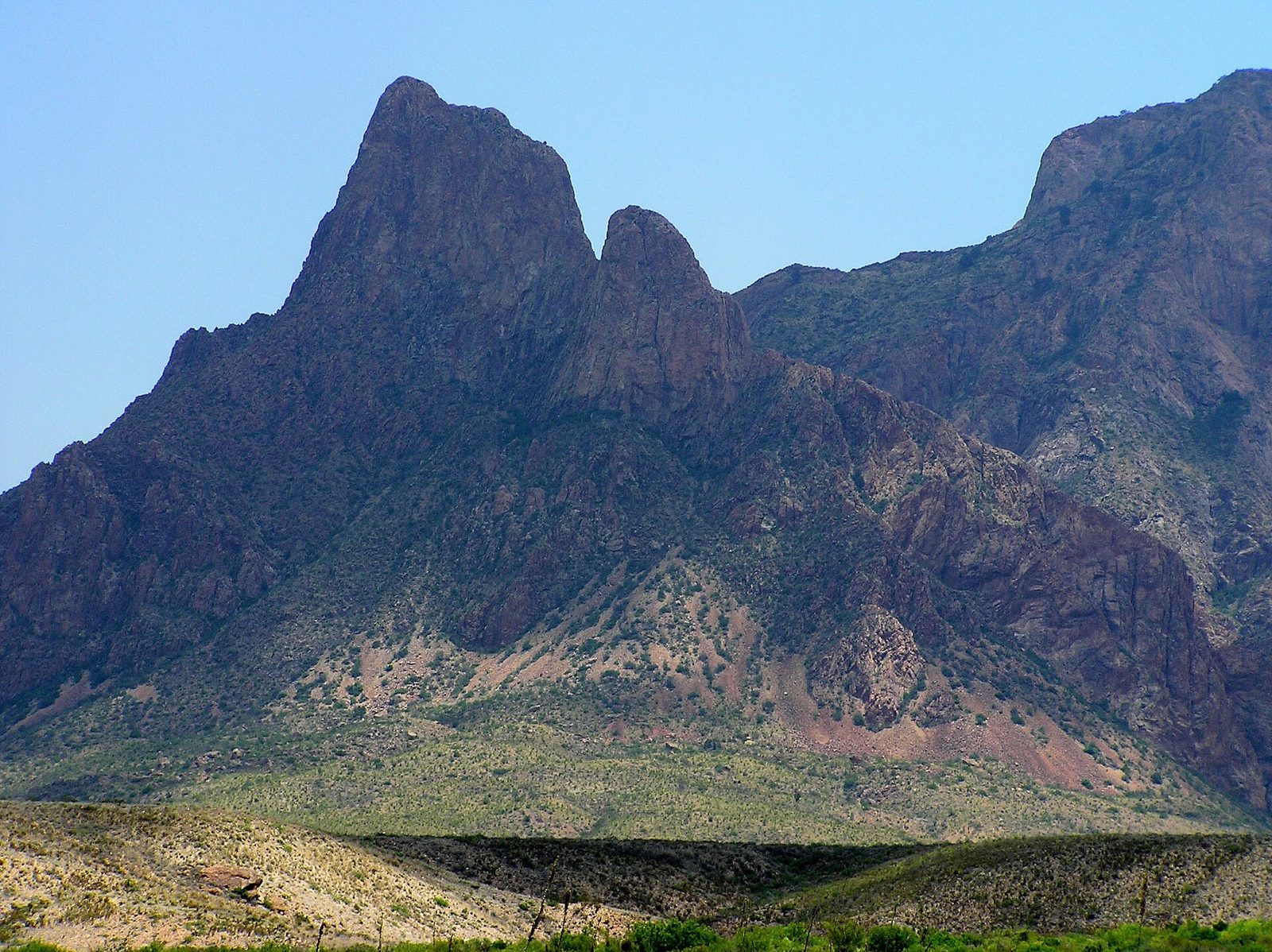
Supreme Court allowed resumption of border-wall construction in Big Bend National Park, West Texas. The decision lifted lower-court injunction, enabling immediate work to continue pending environmental review.
Save coverage image
16 outlets in this story. Read their headlines below.
Supreme Court lifts halt
The U.S. Supreme Court authorized the Trump administration to continue border wall construction in West Texas, including Big Bend National Park, by staying a federal judge’s injunction that had halted the work.
The court’s five-page ruling said the injunction “impedes the Government from advancing its ‘compelling interests’ in border security and integrity,” and it allowed the government to resume construction and the installation of surveillance equipment in the Big Bend area.
The decision also stayed an October ruling by U.S. District Judge Kathleen Cardone of El Paso, Texas, who had halted construction while reviewing a lawsuit filed by preservation groups and local residents.
The dispute centered on the authority of the Secretary of Homeland Security to invoke the Illegal Immigration Reform and Immigrant Responsibility Act of 1996 (IIRIRA) to bypass environmental requirements in “areas of high illegal entry.”
Justice Ketanji Brown Jackson was the only noted dissenter, and the court’s order was described as unsigned in multiple accounts.
Competing claims and reactions
The Center for Biological Diversity condemned the Supreme Court’s move, with Laiken Jordahl saying, “This horrific decision clears the way for contractors to bulldoze pristine desert and dynamite canyon walls before the courts have even decided whether this destruction is legal.” The Department of Homeland Security’s general counsel James Percival welcomed the decision, saying on X that “We just won 8-1,” and he described the district court’s order as “as unprecedented as it is flawed.” The Supreme Court majority said Congress enacted a “clear preference for expeditious border construction over the very harms respondents assert,” while the challengers argued the construction would diminish their ability to use and enjoy the area.
The administration said the Big Bend segment would involve “300-plus” miles of border barrier and roads, and it relied on a federal law that gives the government power to “waive all legal requirements.” NPR reported that the Center for Biological Diversity brought the lawsuit along with an area nonprofit working to preserve a historic church and a landowner who stands to lose his border property.
What happens next
The Supreme Court’s action kept the litigation moving in federal court, because the ruling suspended only the injunction while the case continued rather than resolving the project’s legality. The Supreme Court’s order allowed the Department of Homeland Security Secretary Markwayne Mullin to waive environmental protections and conservation laws, and it framed that waiver authority as a “clear preference for expeditious border construction over the very harms respondents assert.” The challengers argued that the 1996 law only allows limited waivers where illegal crossings are pervasive, and they said Big Bend has the “lowest apprehension rates” for migrants anywhere along the border.
The administration argued that a gap in “border defenses” in the Big Bend region “would act as “a dangerous magnet for cartels and other bad actors,” and it urged the justices to intervene in an emergency application. NPR said the temporary injunction had halted plans for “30-foot-tall steel barriers, patrol roads, surveillance systems and other border infrastructure,” and the Supreme Court’s stay cleared the way for those works to resume while the lawsuit proceeds.