Iran08 June, 20263 min read
Iran Stages Ali Khamenei Funeral in Tehran as Hamas, Hezbollah, Houthis Attend
Attendees included Hamas, Hezbollah, and the Houthis at Khamenei's funeral. The funeral drew tens of thousands of mourners at Tehran's Grand Mosalla Mosque.
The Jerusalem Post was read line by line by the Watchdog: 4.4. See the score →
Funeral diplomacy in Tehran
Iran staged funeral ceremonies for late Supreme Leader Ali Khamenei at Tehran’s Grand Mosalla, where the Quran recitation that followed a Saudi delegation’s step forward was identified as Al Imran 3:13, describing the Battle of Badr and a Muslim force routed “by the will of God”. The Middle East Eye account frames the recitation as a message to Saudi Arabia, noting that Badr was fought in what is today Saudi Arabia in 624 CE and that Khamenei, 86, was assassinated on 28 February in Israeli-US strikes on his residence in central Tehran. France 24 reported that tens of thousands of mourners gathered at the Grand Mosalla Mosque in Tehran on Saturday to pay respects to Khamenei, with representatives from Hamas, Hezbollah and the Houthis of Yemen attending ceremonies tied to Iran’s “axis of resistance”.
France 24 also said envoys from Hezbollah and Hamas met with Foreign Minister Abbas Araghchi, while the Vanguard News account described mourners beating their chests and chanting “revenge, revenge” as the ceremonies began at the Grand Mosalla on July 4, 2026. The funeral was described as theatre of state in the Middle East Eye account, with Khamenei’s body lying in state for three days at the Grand Mosalla and the coffin later displayed under glass outdoors along with those of his daughter, son-in-law, daughter-in-law and 14-month-old granddaughter.
Delegations, meetings, and threats
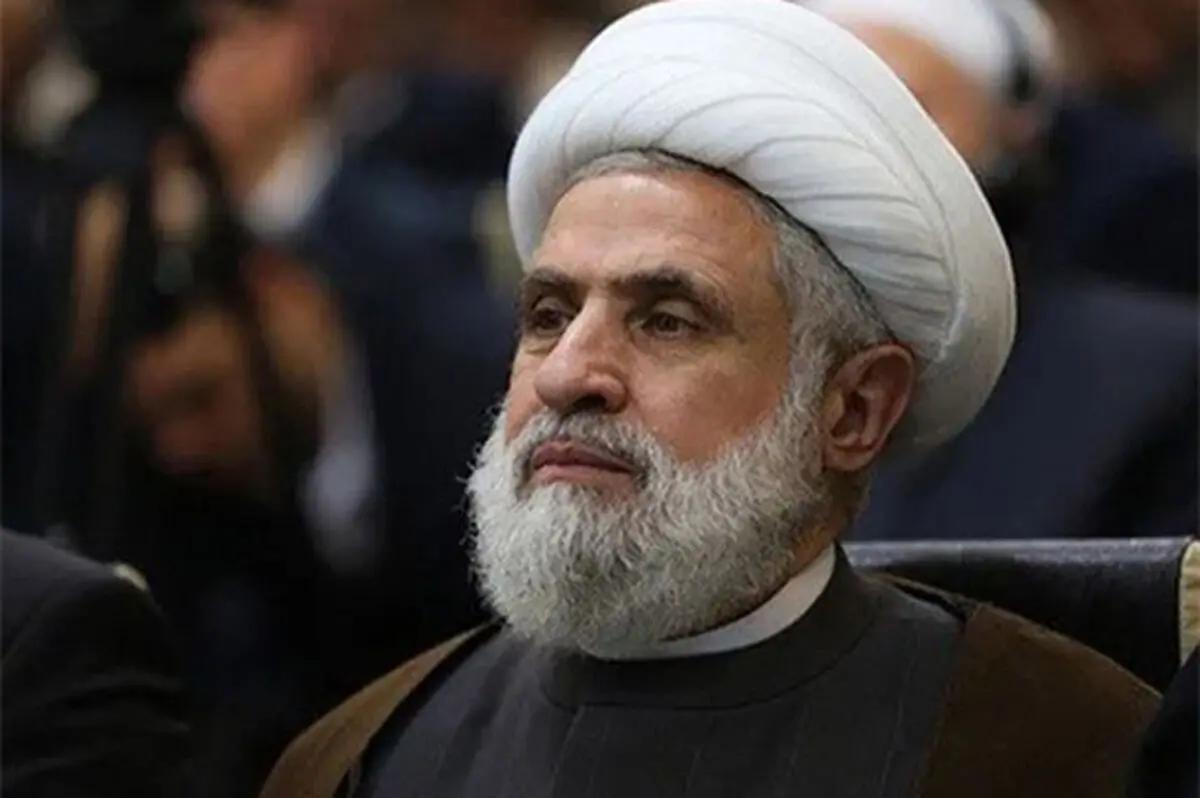
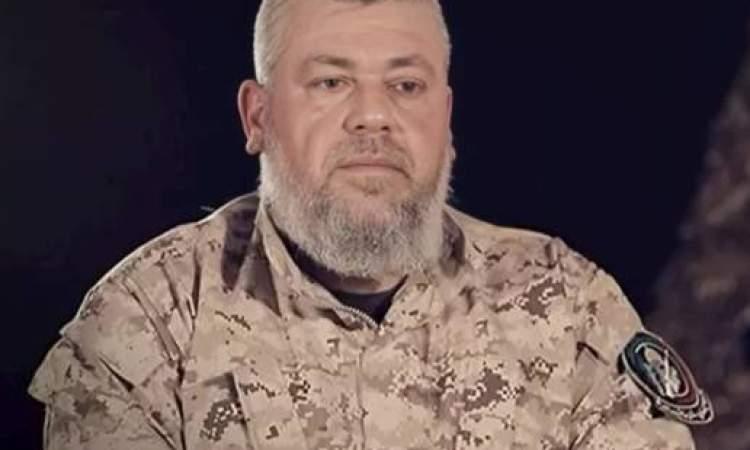
France 24 said the Hezbollah delegation to Tehran was headed by senior official and former minister Mohammed Fneish, and it included officials and families of killed and wounded members, while Hamas said its delegation was led by the head of its political bureau, Mohammed Darwish, and included other bureau members such as Bassem Naim. DW Persian News Desk reported that state media said representatives of Hezbollah and Hamas met with Iran’s foreign minister Abbas Araghchi, and that Araghchi had previously posted pictures of meetings with Hamas and Hezbollah representatives on his official Telegram channel. In the same funeral period, the i24NEWS report said Iran’s security officials rejected Mojtaba Khamenei’s idea to emerge for his father’s July 9 burial in Mashhad over fears Israel could kill him or use his appearance to track him back to his hideout.
The Jerusalem Post live updates also carried a warning that an Iranian general warned Israel, US against strikes during Khamenei’s funeral, while the Al Jazeera-linked discussion in the Middle East Eye account described how Iran used the funeral to tell its public the state could still rally the country in victory and grief. The Times of India account added that General Ali Abdollahi, commander of the central Khatam al-Anbiya headquarters, issued a fresh warning on Thursday that “Our enemies must think very carefully about the response of our armed forces” to any threat directed against Iran’s territory.
What comes next for Iran
The funeral schedule described by France 24 and Vanguard News laid out a sequence from Tehran’s Grand Mosalla to Qom, then to Iraq’s Najaf and Kerbala, and onward to Mashhad, with authorities planning processions in central Tehran on Monday and further ceremonies in the days after. France 24 said that after a day lying in state indoors for senior Iranian leaders and foreign officials to visit, Khamenei’s coffin was put on display under glass outdoors, and it described authorities planning to mobilise millions of people for big processions over the coming days. The Times of India reported that Iranian authorities were preparing for an estimated 10 million mourners across the four cities, and it said the foreign guest list was taking shape along sharply geopolitical lines, including that the United States, United Kingdom, Israel, Canada, and Australia were not invited.
DW Persian News Desk said Iran-U.S. talks were set to resume on July 11 after the end of the multi-day funeral ceremonies, with discussions focused on Tehran’s sanctions, Iran’s blocked assets, and the nuclear issue. In parallel, the Middle East Eye account tied the funeral’s messaging to Iran’s broader regional posture, describing the Quran recitations as ranking allies, rivals and sending Saudi Arabia a message, while TRT فارسی reported Benjamin Netanyahu saying Israel’s work with Iran was “not finished yet” and that Israel would win a war that “will never end.”