Iran-Israel27 February, 20262 min read
Iran Strikes US Navy Base In Bahrain, Fires Missiles At Israel And Gulf US Bases
This article is an automated aggregation of coverage from news outlets. Our editorials offer in-depth analysis curated by the NewsCord team.
Iran struck the US Navy's Fifth Fleet headquarters in Bahrain with ballistic missiles Iran fired ballistic missiles at Israel and multiple US bases across the Gulf
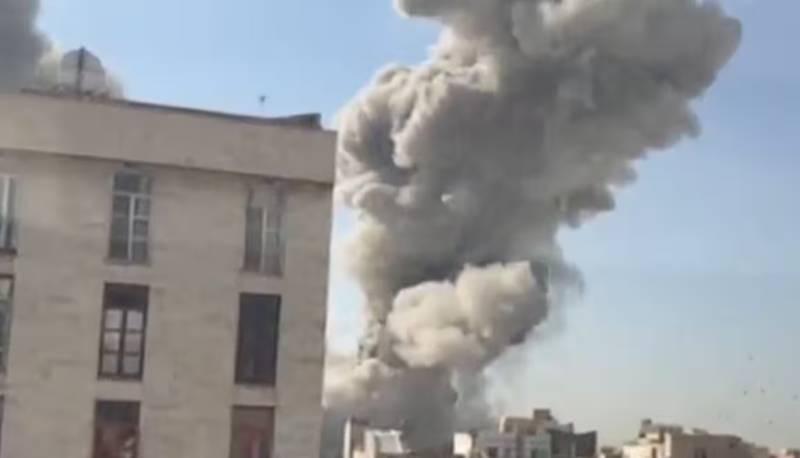
22 outlets told this the same way.
Outlets did split on U.S. Intercepts Iran Message Activating Sleeper Cells After U.S.-Israel Strike Kills Khamenei →
Gulf Strikes and Retaliation
On 28 February 2026 a large-scale confrontation unfolded after a coordinated US–Israeli operation dubbed "Operation Epic Fury" struck Iranian nuclear and military sites. Iran responded by launching ballistic missiles and drones at US and allied facilities across the Gulf and at Israel.
“On February 28, 2026, regional tensions escalated into open military conflict after a large-scale US–Israeli strike on Iranian nuclear and military sites, called ‘Operation Epic Fury.’ In retaliation, Iran launched ballistic missiles and drones at U.S. military installations across the Gulf, triggering emergency sirens in Bahrain and reported explosions in Kuwait and the UAE.”
Multiple outlets report Iran's strikes were described as retaliation for the morning attacks. Sirens, explosions and emergency measures were triggered across the region as defenses engaged incoming projectiles.
Gulf strikes and targets
Bahrain, home to the U.S. Navy’s Fifth Fleet, was one of the locations directly struck.
Bahraini authorities said a missile hit the Fifth Fleet’s service centre in Juffair, and videos and witness accounts show smoke and an explosion near the base.
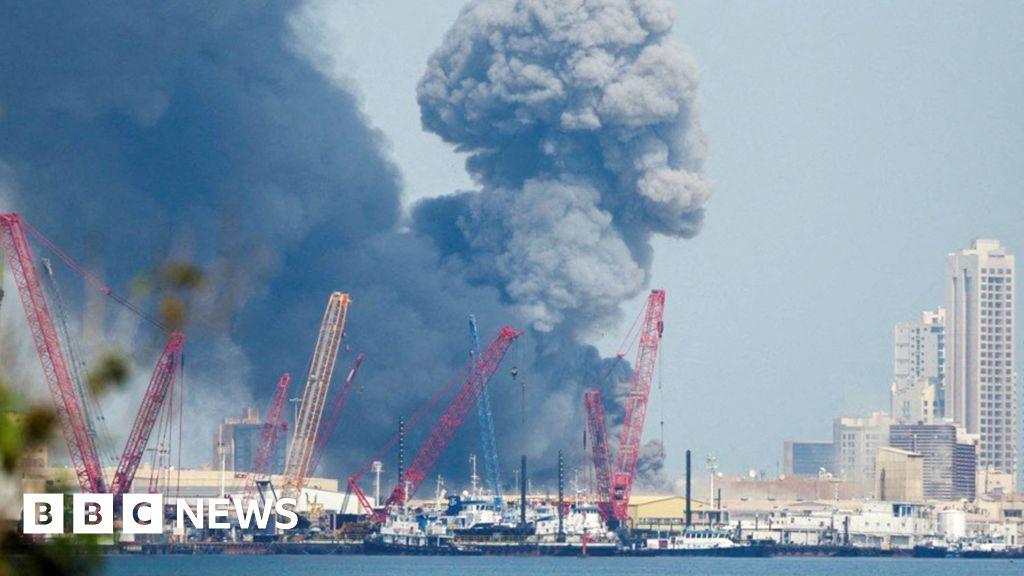
Qatar and other Gulf states reported intercepting incoming missiles.
Key U.S. facilities such as Al Udeid in Qatar and Ali al‑Salem in Kuwait were named by multiple reports as targets or locations near impacts.
Gulf missile strikes response
Governments in the Gulf closed airspace and issued alerts. Missile defenses, including Israel's Iron Dome and regional Patriots, engaged incoming barrages. U.S. embassies ordered personnel to shelter in place.
“Gulf states including the UAE, Qatar and Kuwait closed parts of their airspace.”
The UAE described the strikes on its territory as "a blatant attack involving Iranian ballistic missiles." Saudi and Emirati officials condemned violations of sovereignty and warned of the right to respond.
Contested casualty reports
Casualty and damage reports remain contested and unevenly verified.
One outlet says at least one person was killed near the Bahrain base.
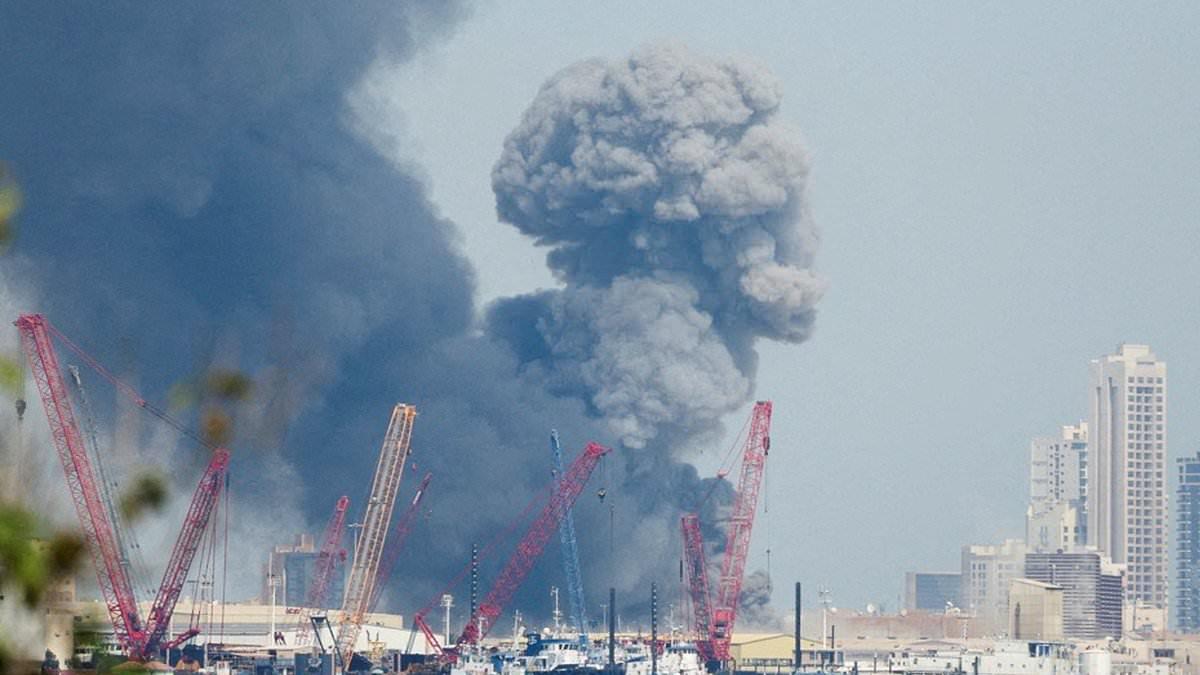
Other outlets report multiple civilian casualties from strikes and secondary incidents in Iran, Syria and Iraq.
U.S. Central Command had not immediately commented on damage or casualties.
Some evidence cited so far consists of unverified social‑media video and witness accounts.
Past incidents, such as a June 2025 IRGC strike on Al Udeid, were reported differently by different sources, underscoring conflicting claims about effect and attribution.
Regional strategic implications
Iranian leaders framed the strikes as warnings that any regional base aiding Israel would be targeted and vowed continued operations until the enemy was "decisively defeated." Analysts and local reporting stressed the vulnerability of CENTCOM’s posture across Bahrain, Qatar, Kuwait, the UAE, Iraq and Saudi Arabia. Officials and commentators warned the escalation risks a wider conflagration involving state and proxy actors across the Middle East.
“A senior Iranian military spokesperson warned Iran will strike any regional base that aids Israel, saying Tehran will ‘give a lesson’ to Israel and the US and show ‘no leniency.’”