Iran taking steps to prevent anti-establishment protests, Tehran residents tell BBC
Key Takeaways
- New security checkpoints deployed across Tehran to deter protests.
- Internet access restricted in Tehran as part of security measures.
- Mass text warnings sent to residents about protests.
Checkpoint crackdown in Tehran
Iran is taking steps to prevent anti-establishment protests, with checkpoints appearing across Tehran, internet access restricted, and mass text warnings sent to residents.
“- Published Iran is taking steps to prevent anti-establishment protests, with checkpoints appearing across the streets of the capital, internet access restricted, and mass text warnings sent to residents”
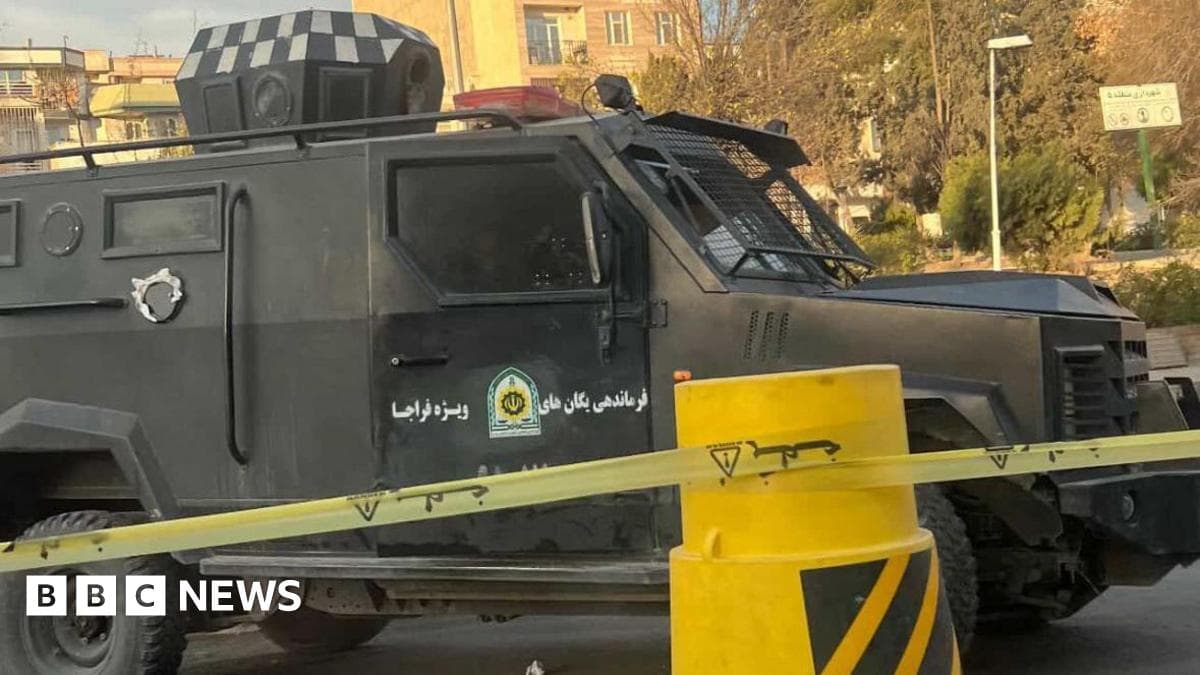
BBC Persian reported new security checkpoints around the city where residents are stopped and searched.
Some checkpoints are positioned under footbridges and inside road tunnels, after reports that several checkpoints in the middle of roads had been targeted by drone strikes.
A number of Iranian security personnel were killed in Israeli strikes on four checkpoints across Tehran, Fars News Agency reported on 11 March, with unofficial counts indicating around 10 security forces killed in strikes in four districts.
A man in his twenties described his tactic for getting through a checkpoint: 'I started saying things like, 'Thanks for your hard work,' as if they were genuinely putting in a lot of effort and I appreciated it,' and security forces let him go after the search.
A woman, also in her twenties, said she now avoids bright clothes, 'I'm scared of their patrols, worried that if I wear something too bright it might annoy them.'
Internet restrictions and Starlink usage
Restricted internet hinders coordination, with a man selling secure internet connections to bypass the nationwide blackout and tech-savvy residents using SpaceX's Starlink devices to share connections during the outage.
Iranian police have arrested a 37-year-old man in southern Fars Province for allegedly setting up a network across several provinces to sell unfiltered internet via Starlink, and a Starlink device and related equipment were found at the suspect's hideout.
Using Starlink in Iran carries a punishment of up to two years in prison, and authorities have reportedly been searching for Starlink dishes to stop people from connecting to the internet.
Government spokesperson Fatemeh Mohajerani said authorities were working to restore internet access 'for those who can broadcast the country's voice to the world'.
Telegram rates for internet access seen by the BBC are around $6 (£4.50) for 1 gigabyte.
Although Iranian domestic apps remain available, some residents fear they may not be as secure as encrypted platforms for organizing protests.
Some journalists inside the country have access to so-called 'white SIM cards' providing them with unrestricted internet supplied by the authorities.
In an interview with the BBC's US partner CBS on 15 March, Foreign Minister Abbas Araghchi said, 'That's because I am the voice of all Iranians. I defend their rights.'
Propaganda, rhetoric, and international remarks
Since the conflict began on 28 February, the authorities have organised pro-establishment rallies and urged supporters to take to the streets to prevent what they describe as attempts to destabilise the country from within.
“- Published Iran is taking steps to prevent anti-establishment protests, with checkpoints appearing across the streets of the capital, internet access restricted, and mass text warnings sent to residents”
BBC Persian has seen a text message sent by the Islamic Revolutionary Guard Corps Intelligence Unit on 13 March warning against upcoming protests, calling the 'evil enemy' and saying, 'A blow harder than January 8 is awaiting the neo-ISIS [Islamic State].'
The Police Chief Brig Gen Ahmad Reza Radan said on 10 March that anyone attempting to 'take action in the cities at the behest of the enemy' would no longer be treated as a protester but as an 'enemy'.
On 8 March, Israeli Prime Minister Benjamin Netanyahu issued a direct message to the Iranian people urging them to stand up against the establishment.
But on 12 March during his first press conference since the war, he said he could not 'say with certainty that the Iranian people will bring down the regime.'
Context and reporting environment
HRANA said it had confirmed the killing of at least 7,000 civilians during January's protests.
The most deadly nights of the huge anti-establishment protests in Iran were 8 and 9 January.
BBC Persian is the Persian language service of BBC News, used by 24 million people around the world—the majority in Iran—despite being blocked and routinely jammed by Iranian authorities.
More on Iran

Trump Administration Says Iran War ‘Terminated’ as War Powers Deadline Nears May 1
16 sources compared
U.S. Treasury Warns Shippers Not to Pay Iran Strait of Hormuz Tolls
11 sources compared
Iran Submits New Negotiations Proposal To US Via Pakistani Mediator
10 sources compared

Donald Trump Tells Congress U.S. Hostilities With Iran Have Terminated Ahead of War Powers Deadline
19 sources compared