Full story
Economic D-Day Looms
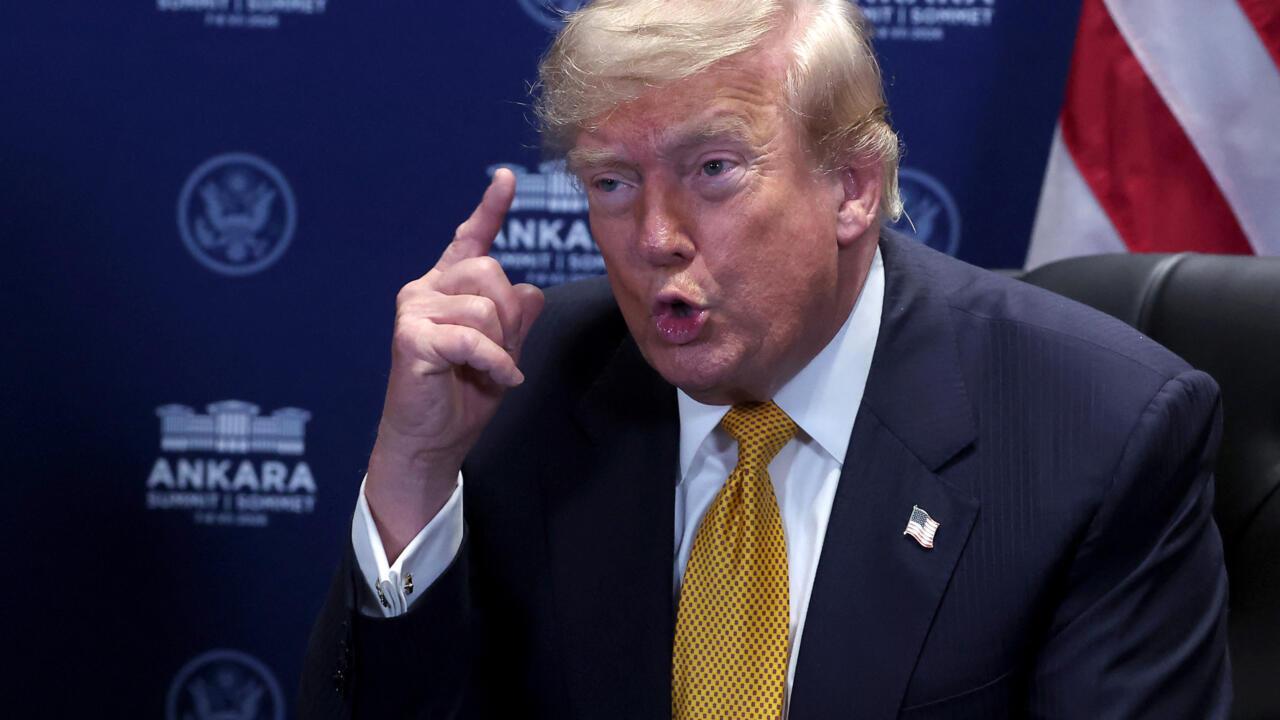
Oil prices fell as investors awaited details of a US plan to impose massive economic pressure on Iran, with Treasury Secretary Scott Bessent set to hold a press conference later Monday.
“the single greatest financial offensive marshalled against an adversary”
Bessent framed the coming measures as “the single greatest financial offensive marshalled against an adversary,” while CNBC reported he said “at dawn begins an economic D-Day.”
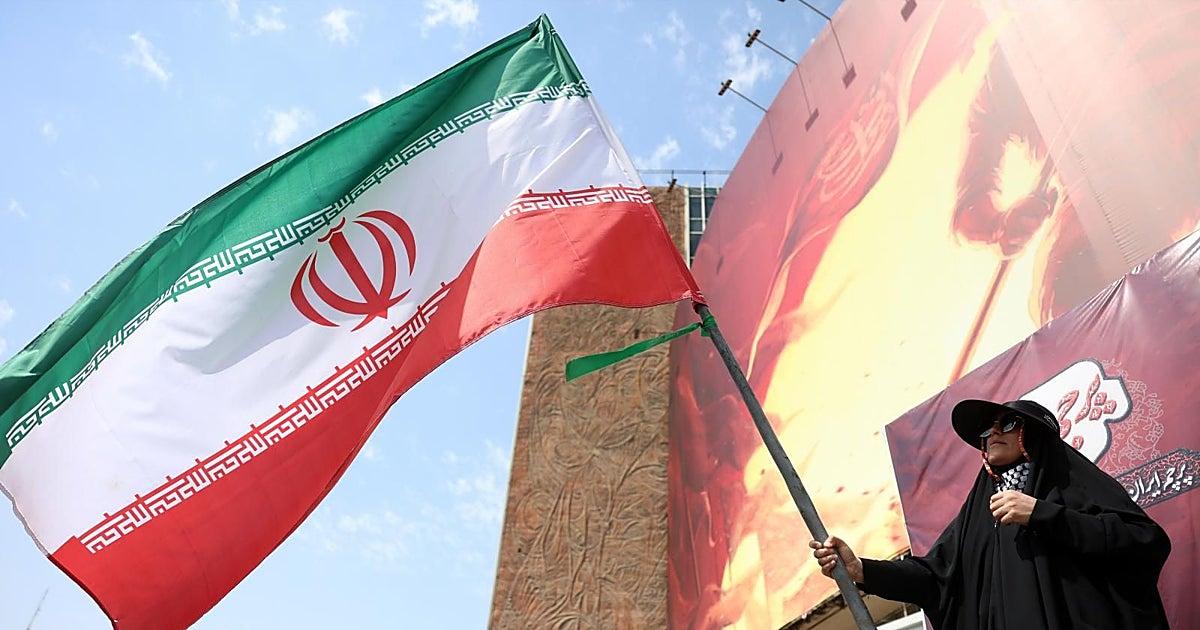
The escalation is tied to a failed effort to reach a deal within a 60-day ceasefire window, and CNBC said Tehran threatened to seize vessels that violate transit rules in the Strait of Hormuz.
France 24 reported that “Both main crude contracts were around two percent lower,” with Brent still trading above $92 a barrel after jumping more than seven percent last week.
The Strait of Hormuz remained central to the standoff, with the US and Iran missing meaningful talks as the war dragged on with “no sign of a deal to reopen the crucial Strait of Hormuz.”
Threats Over Shipping
Iran warned that ships violating transit rules in the Strait of Hormuz could face penalties, with CNBC citing Tehran’s threat of “fines, seizure, or confiscation” during future passages.
CNBC also reported that Mohsen Rezaei, the new secretary of Iran's Supreme National Security Council, vowed to target the interests of oil-rich neighbors if they joined US efforts, saying “Any country that becomes a partner in creating economic restrictions against us will be regarded by us as an enemy.”

The Arab Weekly said the US threatened Iran with what it called “the greatest financial offensive ever marshalled,” while Iran vowed to shut down all oil exports from the Gulf “if the economic war continues.”
CNN added that Iran’s state-controlled Persian Gulf Strait Authority (PGSA) urged cargo owners to review a “Non-Compliant Vessels” list before chartering ships to avoid potential issues.
As oil markets reacted, CNBC reported West Texas Intermediate futures fell about 1.3% to $85.93 per barrel and Brent dropped 1.3% to $93.22 a barrel.
Sanctions, Politics, and Fallout
Iran’s leadership rejected the US pressure campaign while insisting it would not yield, with the Guardian quoting Abbas Araghchi dismissing the threat of new sanctions as “desperate” and saying “We have never been afraid.”
“The fact that [US leaders] have moved on from military operations … to bringing up the same old plans shows that they are desperate”
The Guardian also quoted Masoud Pezeshkian acknowledging “many problems in society right now,” while CBS News said he defended the June memorandum of understanding as the best path forward, adding “There is not a single provision in this agreement that amounts to capitulation.”
Beyond rhetoric, the Guardian reported that Mohsen Rezaei warned neighbours against joining the “economic war,” threatening that Iran would target oil-shipping routes out of the Gulf if they did.
The Arab Weekly said the US prepared economic sanctions targeting Iran’s trade partners, while Iran threatened to halt oil exports from the Gulf if the “economic war continues.”
In parallel, CBS News reported Iran discovered more than 200 billion cubic metres of natural gas in the south of Fars province, with Petroleum Minister Mohsen Paknejad telling state television that over 160 billion cubic metres could be extracted from the field.