Iran05 May, 20266 min read
Iran Trades Fire With US Near Strait of Hormuz, UAE Reports Missile And Drone Intercepts
Iran fired missiles and drones at the UAE; Emirati air defenses intercepted them. The US-Iran ceasefire teeters on the brink amid renewed hostilities.
Al Jazeera was read line by line by the Watchdog: 3.1. See the score →
Strait of Hormuz flare-up
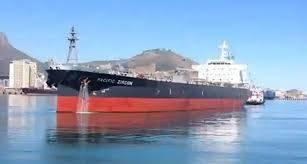
Tensions in the Gulf surged after Iran and the United States traded fire around the Strait of Hormuz, with the United Arab Emirates reporting that it intercepted Iranian missiles and drones for the first time since a ceasefire was declared nearly a month ago. The UAE said it intercepted 15 missiles and four drones fired from Iran and warned it reserves the right to respond to the “treacherous” attacks, while also reporting that one drone attack set off a “large” fire at the Fujairah Petroleum Industries Zone and wounded three Indian nationals. Al Jazeera reported that Iran also attacked an empty crude oil tanker belonging to the state oil firm as it attempted to pass through the Strait of Hormuz, and that there was no official comment from Iran but the state broadcaster blamed “US military adventurism” for the incident.
In parallel, Prothom Alo English described the scramble for more talks after Iran and the United States traded fire over the strategic Strait of Hormuz and after the UAE reported Iranian attacks for the first time since the truce was declared nearly a month ago. Anadolu Ajansı said Saudi Arabia called for de-escalation and support for mediation toward a US-Iran settlement, linking the escalation to the Gulf situation that intensified on Monday. The same Anadolu Ajansı report also said the Saudi Foreign Ministry called for restoring maritime navigation in the Strait of Hormuz to its pre-war state and for “ensuring the safe and secure passage of vessels without restriction.”
Ceasefire strain and escalation
The renewed attacks unfolded as diplomacy between Washington and Tehran remained deadlocked and as the ceasefire’s stability frayed, according to multiple reports. Prothom Alo English said diplomacy between Washington and Tehran has been deadlocked since the ceasefire, with the United States twice aborting plans for senior officials to attend talks in Pakistan, and it described Iran’s vow not to surrender control over the Strait of Hormuz. It also said the ceasefire was declared nearly a month ago and that the scramble for more talks came after a salvo of attacks left a ceasefire crumbling.
Anadolu Ajansı provided a longer timeline, saying a ceasefire took effect on April 8 through Pakistani mediation, but talks in Islamabad failed to produce a lasting agreement, and that the truce was later extended by US President Donald Trump without a set deadline. News Ghana similarly framed Monday’s attacks as coming hours after Washington launched a military operation to reopen the Strait of Hormuz to commercial shipping, and it said a US-Iran ceasefire that had held since early April appeared on the verge of collapse. The competing claims about what happened in the strait were immediate: Prothom Alo English said the United States on Monday said its forces had sunk at least six small Iranian ships, while Iran denied any combat vessels had been hit and accused Washington of killing five civilians on boats.

Voices from capitals
As the Gulf crisis intensified, leaders and officials from multiple countries issued calls for de-escalation and for a return to diplomacy, while also trading accusations over responsibility for attacks. Prothom Alo English quoted German Chancellor Friedrich Merz imploring Tehran to “return to the negotiating table and stop holding the region and the world hostage,” and it said Merz echoed calls from French President Emmanuel Macron and British Prime Minister Keir Starmer. The same report said Saudi Arabia joined the calls and described it as a key US ally whose energy infrastructure has been hit by Iran, with Saudi Arabia calling for “diplomatic efforts to reach a political solution.”
Al Jazeera detailed how Saudi Arabia’s Ministry of Foreign Affairs condemned and denounced “in the strongest terms” the Iranian targeting of civilian and economic facilities in the UAE and called on Iran to cease these attacks, while Qatar said it “strongly condemns the renewed Iranian attacks” and considers the strikes to be a “blatant violation of the UAE’s sovereignty.” Kuwait’s Ministry of Foreign Affairs condemned Iran’s “reprehensible aggression” and said it targeted a UAE oil tanker and deployed drones in a “direct threat to maritime navigation in the Strait of Hormuz,” while Bahrain’s Ministry of Foreign Affairs called the strikes “a dangerous escalation that threatens the security and stability of the region.” In parallel, Iran’s response to the clashes was presented through statements attributed to Iranian officials: Prothom Alo English reported that Iran’s Foreign Minister Abbas Araghchi said there was “no military solution to a political crisis” and pointed to Pakistan’s efforts to keep mediating, and it also quoted him writing on X that “Project Freedom is Project Deadlock.”
Competing narratives and framing
Different outlets and officials framed the same sequence of events in sharply different ways, especially around the US operation to escort ships and Iran’s stated position on targeting. News Ghana described missiles and drones hitting the Gulf state hours after Washington launched a military operation to reopen the Strait of Hormuz to commercial shipping, and it said the UAE said its air defences engaged 19 Iranian missiles and drones while a drone strike sparked a major fire at the Fujairah Oil Industry Zone. It also reported that the British military’s United Kingdom Maritime Trade Operations centre reported two cargo vessels ablaze off the UAE coast, and it said South Korea’s government confirmed an explosion and fire aboard a South Korean-operated ship anchored in the strait, though no injuries were reported.
News Ghana further stated that Admiral Brad Cooper said American forces successfully opened a passage through the strait, but it also confirmed that Iran fired multiple cruise missiles, drones, and small boats at civilian ships under US protection, and it quoted Cooper saying “each and every” threat had been defeated. By contrast, Prothom Alo English described Iran’s denial and accusation, saying the Islamic republic denied any combat vessels had been hit and accused Washington of killing five civilians on boats, while also quoting Iranian state television that “What happened was the product of the US military’s adventurism to create a passage for ships to illegally pass through” the Strait of Hormuz. Anadolu Ajansı, meanwhile, focused on Saudi Arabia’s call for de-escalation and for restoring maritime navigation, stating that Saudi Arabia “calls for ensuring the safe and secure passage of vessels without restriction,” and it tied the escalation to claims by the UAE and Tehran about missiles, drones, and warning shots.
What comes next
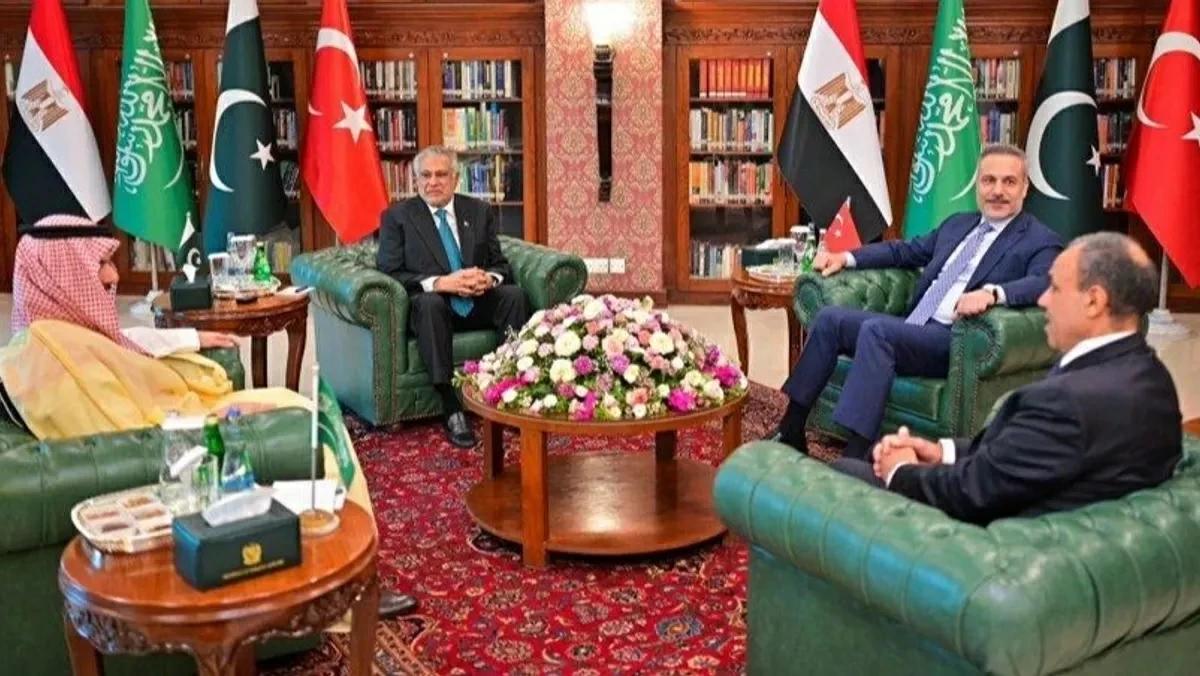
The sources describe an immediate diplomatic and security push to prevent further escalation, with Pakistan positioned as a mediator and with regional meetings aimed at de-escalation. Anadolu Ajansı said Saudi Arabia supported “Pakistani mediation and diplomatic efforts to reach a political solution,” and it described the ceasefire timeline that began on April 8 through Pakistani mediation and later extended by US President Donald Trump without a set deadline. The Pakistani mediation role was also emphasized in Prothom Alo English, which said clashes showed there was “no military solution to a political crisis” and pointed to Pakistan’s efforts to keep mediating, while also noting that the United States twice aborted plans for senior officials to attend talks in Pakistan.
Arab News PK reported that Saudi Arabia backed Pakistan’s mediation and diplomatic efforts to reach a political solution, and it quoted the Saudi foreign ministry calling for “de-escalation, refraining from further escalation, exercising restraint, and supporting the Pakistani mediation and diplomatic efforts.” It also said Pakistan facilitated the release of 22 crew members of an Iranian ship seized by US forces in April, with Islamabad praising the “confidence-building measure” by Washington. In parallel, the Pakistani Foreign Ministry’s statements were described in اليـوم السابع, where spokesperson Tahir Andrabi said Pakistan is honored to host and facilitate serious talks between the United States and Iran to reach a comprehensive and lasting settlement, and he stressed “the continuation of cooperation with regional countries to work on de-escalation.”
