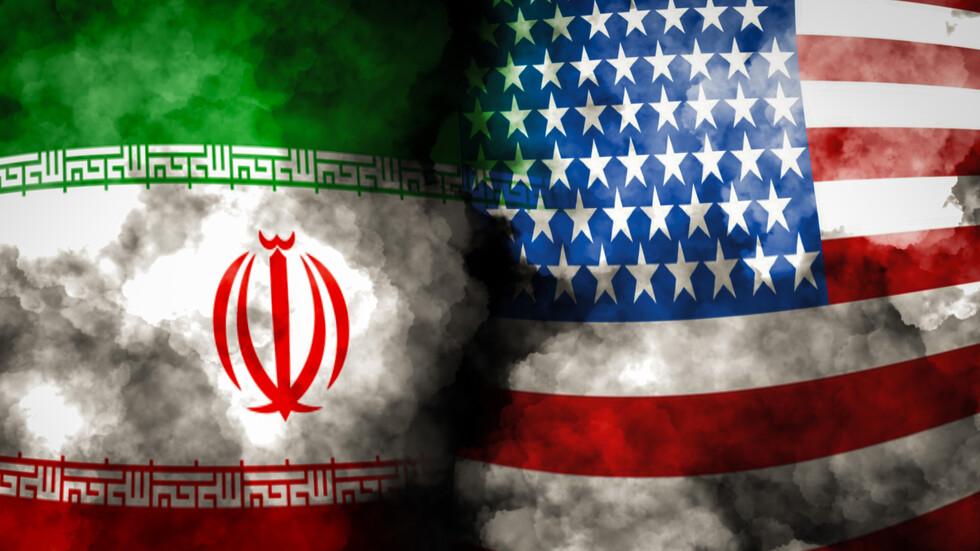
Iran Warns Biden It Will Strike American Assets If US Strikes Iranian Soil
Key Takeaways
- Iran warned via intermediaries that direct US strikes would provoke attacks by American assets.
- Casualty reports differ on location of three US servicemen killed (Jordan vs Syria).
- Washington weighs retaliation as Biden mulls direct response.
Warning of Direct Retaliation
Iran told the United States via intermediaries that if it strikes Iranian soil directly, Tehran will itself hit back at American assets in the Middle East, drawing the two sides into a direct conflict, The Guardian reported.
“Ketaib Hezbollah (KH) finally got the picture”
The warning came as Iran waited on high alert to see how Joe Biden responds to the death of three US servicemen deemed by Washington to have been killed by a Tehran-backed militia based in Syria, The Guardian said.
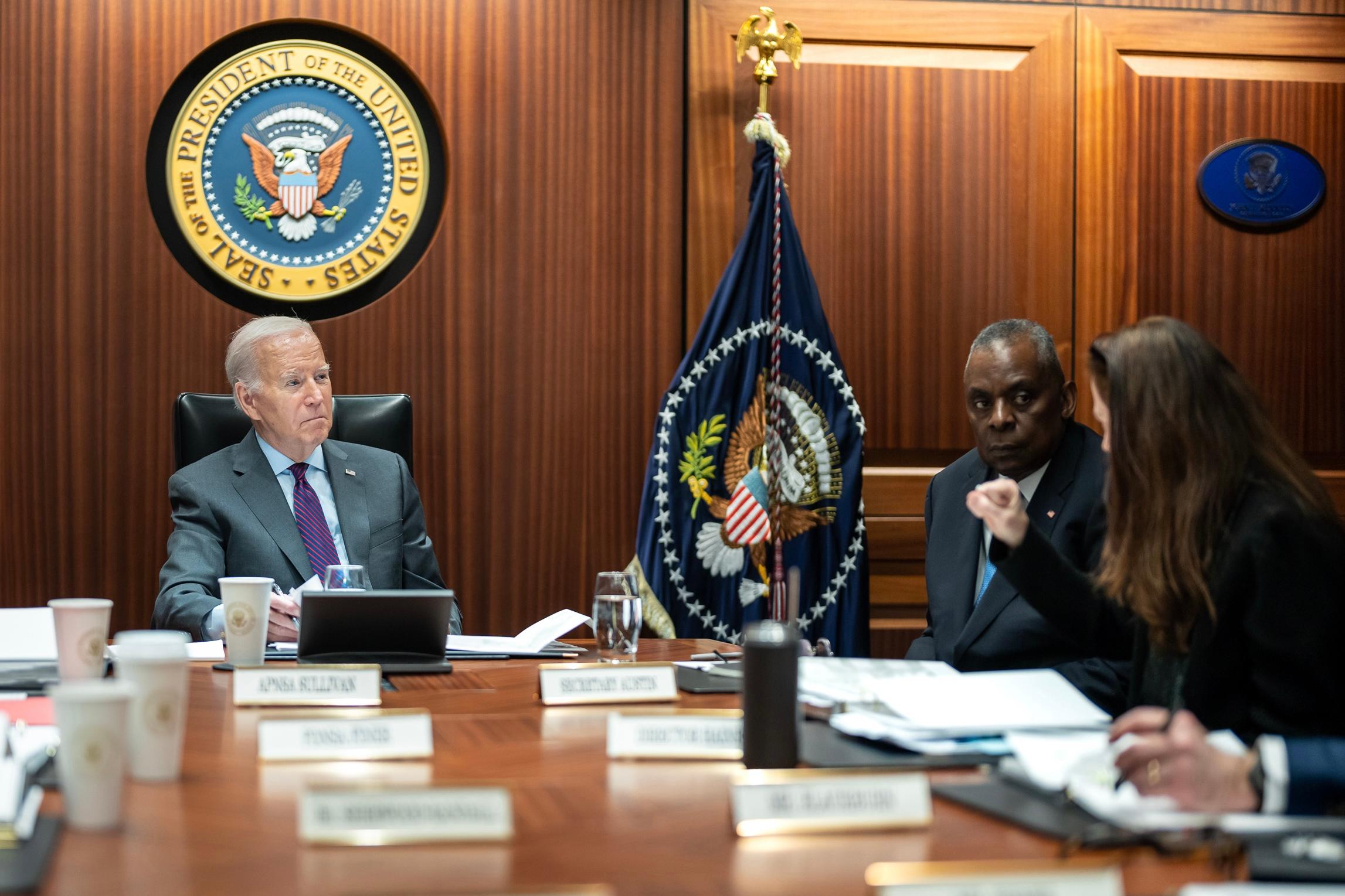
The Guardian also reported that US bases in Syria and Iraq have suffered more than 160 attacks of varying seriousness since Hamas’s 7 October assault on Israel.
In parallel, The Guardian said the Iranian rial fell to its lowest point in 40 years against the dollar, and that Iran’s national currency has fallen by 15% since 7 October.
The Guardian added that Tehran reiterated that the strike was the work of independent “resistance groups” – Iran’s standard response to US accusations that itproliferates military turmoil across the region by arming and training the groups.
Yemen Monitor, citing The Guardian, likewise said Tehran warned Washington not to drag the two sides into a direct confrontation and that if it attacked Iran's territory directly, Iran would harm American assets in the Middle East.
Yemen Monitor further reported that Iran denied responsibility for the drone attack and said that “The Islamic Resistance makes decisions on this matter independently.”
High Alert, Currency Pressure
Alongside the diplomatic warning, The Guardian described a broader escalation atmosphere in which Iran was “on high alert” and US retaliation planning was being weighed after the killing of three US servicemen.
The Guardian said the deaths were tied to a drone attack in which Washington blamed a Tehran-backed militia based in Syria, and it linked the current moment to a wider pattern of attacks: “US bases in Syria and Iraq have suffered more than 160 attacks of varying seriousness.”

The Guardian also connected the security pressure to economic strain, reporting that “the Iranian rial fell to its lowest point in 40 years against the dollar,” and that “The value of Iran’s national currency has fallen by 15% since 7 October.”
In the same report, Iran’s supreme leader, Ayatollah Ali Khamenei, called for tighter controls on liquidity at a meeting with business leaders, with The Guardian adding that inflation is running at 40%.
The Guardian said the political environment is tense ahead of nationwide parliamentary elections in November, and it described how Iranian media is openly speculating on possible reprisals.
Yemen Monitor, again citing The Guardian, said Iran remained on high alert to see how Joe Biden will respond to the killing of three American service members in a drone attack in eastern Jordan near the border with Syria.
Yemen Monitor also reported that U.S. Secretary of State Antony Blinken affirmed that the American response could be at “several levels,” “unfolds in stages,” and “lasts for a certain period.”
Diplomacy, Elections, and Unrest
The Guardian framed the crisis as one where both sides emphasized they were not seeking “an open war,” while Tehran treated a direct strike on its territory as a “red line.”
“Yemen Monitor / News Section The British newspaper The Guardian reported that Iran warned the United States through intermediaries not to drag the two sides into a direct confrontation”
It reported that the Iranian foreign ministry summoned the British ambassador, Simon Shercliff, on Tuesday to demand the UK ends its allegations that Iran is attempting to intimidate Iranian dissidents living in Britain.
The Guardian quoted Iran’s foreign minister, Hossein Amir-Abdollahian, saying the White House knew well that “a political solution” was required to end the carnage in the besieged Gaza Strip and the current crisis in the Middle East.
Amir-Abdollahian also said: “Diplomacy is moving forward on this path. Benjamin Netanyahu is nearing the end of his criminal political life.”
The Guardian then shifted to internal pressures, saying unrest has broken out across Kurdistan after the execution on Monday of four Kurds accused by the regime of co-operating with Mossad, the Israeli intelligence agencies.
It reported that images circulating online showed deserted streets and shuttered shops in Sanandaj, Saqqez, Mahabad, Bukan, Dehgolan and other cities, and it said the four men were members of the leftwing Komala party executed for allegedly plotting a bombing in Isfahan last summer in collaboration with Israel.
The Guardian quoted Mehdi Saadati, a member of the parliament’s national security and foreign policy committee, saying: “These executions are a lesson for anyone who wants to stand against the will of the Iranian nation because the Iranian nation will punish them for their deeds.”
Proxy Militia Signals and US Options
The Atlantic Council article presented a different angle on the same confrontation, focusing on Ketaib Hezbollah (KH) and how it responded to the drone attack that killed three US soldiers in Jordan on Sunday.
It said “KH recognizes that the drone attack that killed three US soldiers in Jordan on Sunday puts it squarely in US crosshairs,” and it claimed that “To avoid this, KH announced Tuesday night that it is ceasing attacks on US troops in Iraq and Syria.”
The Atlantic Council argued that the move was “a calculated and last-ditch attempt at self-preservation,” and it warned that “The United States should put no stock in KH assurances.”
It also described the attack as the first time a drone killed a member of the US military and said it “appears to be the first time a member of the Army or Marines was killed by enemy air power since 1953.”
The Atlantic Council further asserted that Iran likely perceived the attack as “simply a tit-for-tat retaliation” for Islamic Revolutionary Guard Corps (IRGC) operators killed by the United States’ partner Israel in Damascus a week ago.
It then tied the crisis to a wider regional security thread, saying the US soldiers killed were “in the region supporting the fight against the Islamic State of Iraq and al-Sham (ISIS)” and that the United States warned Iran of ISIS attack plans.
The Atlantic Council concluded by laying out a “menu of options,” including “Option 1: Conduct strikes inside Iran against its war machine” and “Option 2: Conduct strikes inside Iran against IRGC bases and weapons stockpiles.”
Different Frames, Same Trigger
Across the three pieces, the trigger event is the death of three US servicemen in a drone attack in eastern Jordan, but the framing diverges sharply between diplomatic warning, economic and political pressure, and a militia-focused retaliation narrative.
“Iran has told the US via intermediaries that if it strikes Iranian soil directly, Tehran will itself hit back at American assets in the Middle East, drawing the two sides into a direct conflict”
The Guardian emphasized Iran’s message through intermediaries and described a direct-retaliation threshold, saying Tehran would “hit back at American assets in the Middle East” if the US strikes Iranian soil directly, while also insisting “both sides have emphasised they are not seeking an open war.”
Yemen Monitor, using The Guardian’s account, added details about the diplomatic channel through the Iranian ambassador and permanent representative to the United Nations, Amir Saeed Irwani, and it reported that he denied in a letter to the president of the Security Council reports of multiple messages from the United States to Iran in the past two days.
Yemen Monitor also reported Blinken’s characterization that the response “unfolds in stages and lasts for a certain period,” which contrasts with the Atlantic Council’s emphasis on KH’s immediate operational decision to cease attacks on US troops in Iraq and Syria.
The Atlantic Council’s narrative also introduced a specific timeline and attribution of cause, asserting that Iran perceived the Sunday attack as “simply a tit-for-tat retaliation” for IRGC operators killed in Damascus a week ago, and it argued that the US does not have an appetite for war with Iran.
The Guardian, by contrast, embedded the crisis in a broader domestic and regional picture, linking the security situation to inflation running at 40%, the rial’s 40-year low, and unrest across Kurdistan after the execution on Monday of four Kurds.
The Guardian also quoted Hossein Amir-Abdollahian’s insistence that “Diplomacy is moving forward on this path,” while the Atlantic Council framed the question as whether Biden will choose among options that include strikes inside Iran against “its war machine” or against “IRGC bases and weapons stockpiles.”
More on Iran
Trump Extends Ceasefire as US-Iran Peace Talks Stall and Strait of Hormuz Tensions Rise
22 sources compared
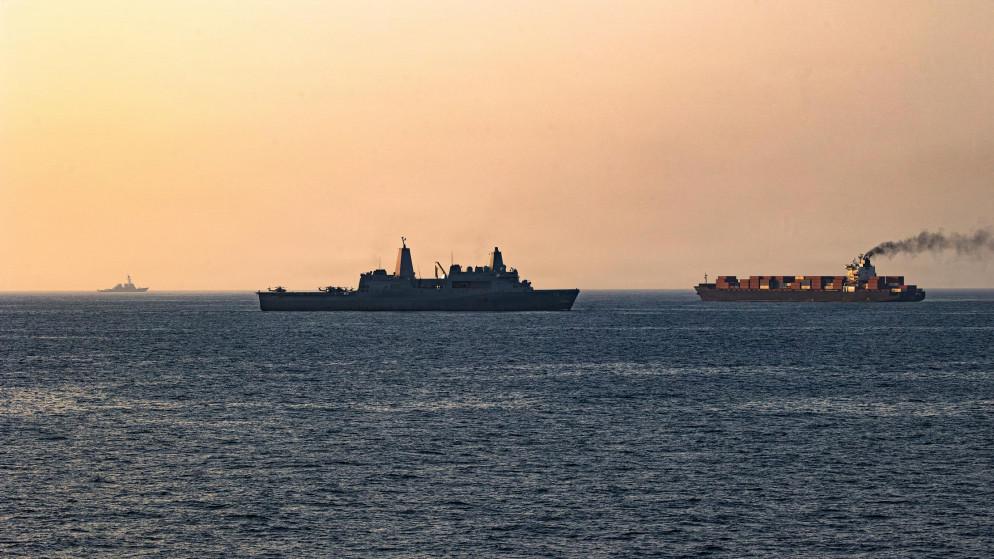
Iran Fires on Three Ships and Seizes Two in Strait of Hormuz, Trump Extends Ceasefire
28 sources compared

Trump Extends Iran Ceasefire While US Keeps Naval Blockade in Strait of Hormuz
18 sources compared
Iran’s Islamic Revolutionary Guard Corps Seizes Two Ships in Strait of Hormuz After Trump Ceasefire Extension
20 sources compared