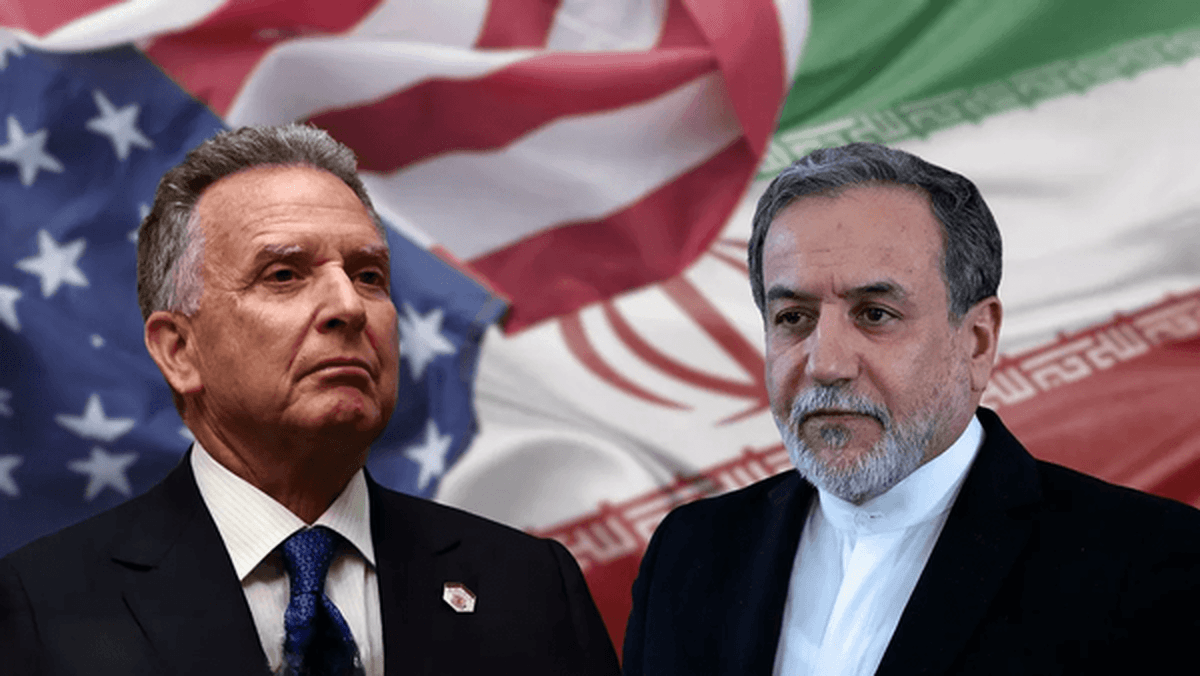
Iran Warns Donald Trump and Israel Against Strikes During Ayatollah Ali Khamenei Funeral
Key Takeaways
- Iran warned Trump and Israel against strikes during Khamenei's funeral.
- The warning came as Iran prepared for the state funeral of the Supreme Leader.
- Iranian military leadership signaled potential retaliation if strikes occurred.
Funeral, threats, talks
Iran warned Donald Trump and Israel not to launch strikes as the country prepares for the state funeral of Supreme Leader Ayatollah Ali Khamenei, who was killed in airstrikes on the first day of the war.
Ali Abdollahi, commander of Khatam al-Anbiya Central Headquarters, said the “enemies of Iran” should avoid a “miscalculation” or else face harsh retaliation.

Funeral processions for Khamenei will begin on July 4 in Tehran and conclude on July 9 with his burial in his hometown of Mashhad, with additional ceremonies planned in Qom and Iraq in-between these dates.
The Independent also reported that Trump told reporters that the “denuclearisation of Iran is moving along well” and that “very good meetings” were held in Qatar as he and his vice president played down any suggestion of a return to all-out combat.
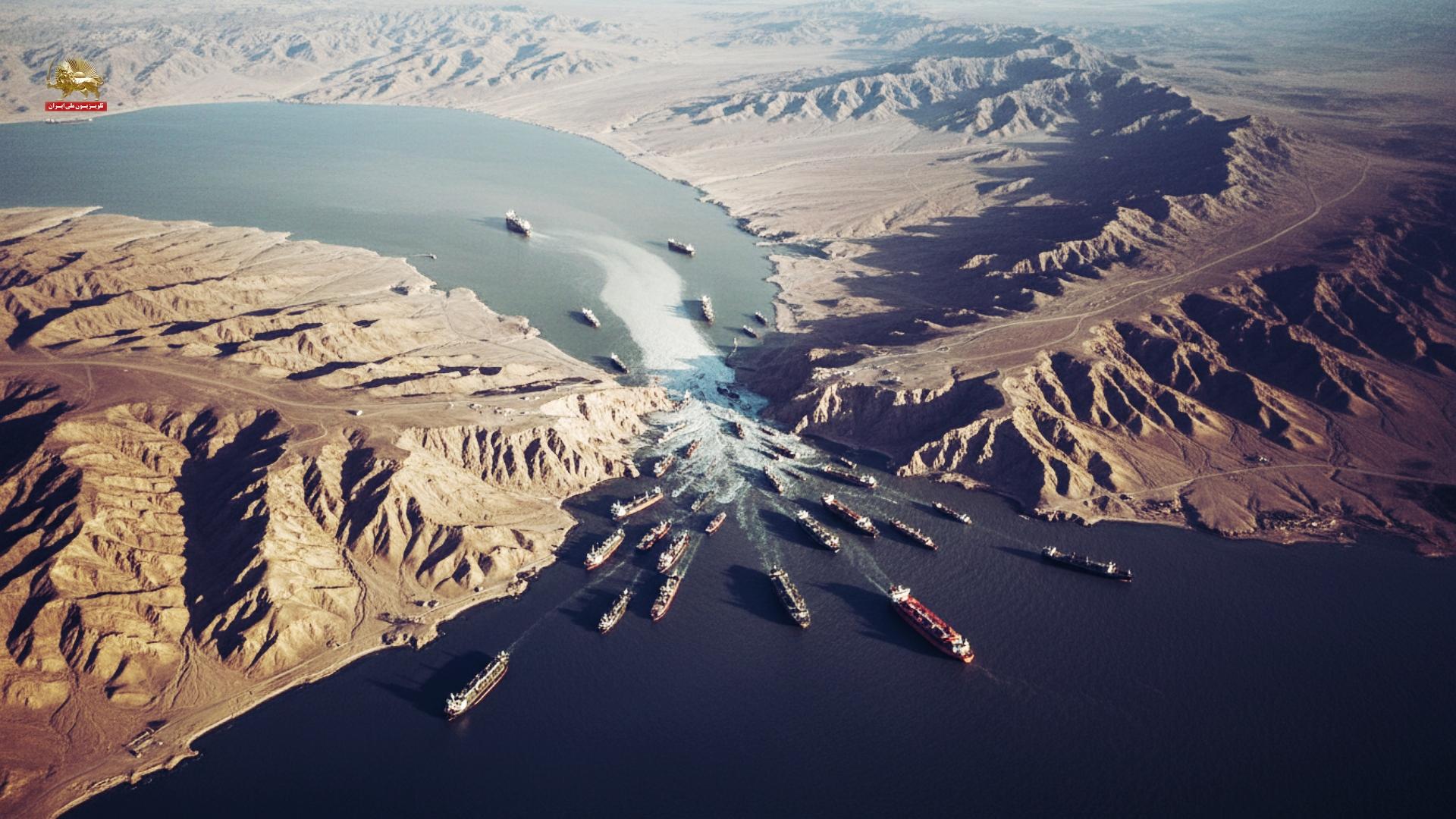
AP reported that Iran’s joint military command warned Thursday that all oil tankers moving through the Strait of Hormuz must use its approved routes or face a “forceful response,” ratcheting up tensions again over a waterway crucial for international energy supplies.
Route warnings and mediation
AP said the statement from the Khatam al-Anbiya military command, reported by Iranian state television, warned that “Any failure to comply, deviation from the designated route” in the Strait of Hormuz “will be met with an immediate and forceful response.”
The AP report tied the threat to negotiations, saying it came after both U.S. and Iranian diplomats met with mediators Wednesday in Qatar.

In parallel, The Independent said Iran’s foreign ministry spokesperson Esmail Baghaei accused the U.S. of “complete contempt” for peace and called its actions “performative posturing.”
The Independent also reported that Trump’s envoys Steve Witkoff and Jared Kushner arrived in Qatar on Tuesday to meet mediators, while Qatar's foreign ministry said the talks made “positive progress” on issues related to the interim agreement.
AP added that Iran and the United States agreed as part of an interim deal to allow ships to pass without paying charges for 60 days, while Tehran insisted it must control the routes and later charge fees for passage.
Hormuz fees and escalation risk
The New York Times reported that Iran and Oman are moving forward with plans to collect payment for ships transiting the Strait of Hormuz, despite public American objections, according to an Iranian official and four diplomats with knowledge of the matter.
“Oil fell below $71 as US–Iran talks continued and Gulf exports rebounded”
The New York Times said the plans would be a significant change from the prewar status in the strategic waterway, and it described how Iran effectively blockaded the waterway during the fighting, sending energy prices skyrocketing.
AP reported that at least 258 ships transited the waterway last week, up from 138 the previous week, and said traffic remained far below levels seen before the war when about 130 vessels passed through daily.
Al-Monitor, meanwhile, said oil fell below $71 per barrel as US–Iran talks continued and Gulf exports rebounded, with Brent crude falling about 1.13% on Thursday to $70.76 per barrel as of 10:28 a.m. Eastern Time.
Al-Monitor also said the next round of talks between the United States and Iran will take place after the funeral of Supreme Leader Ayatollah Ali Khamenei, which begins on Saturday, while the Iranian Revolutionary Guard Corps Joint Staff warned it would respond forcefully to ships deviating from the approved routes of the Strait of Hormuz.
More on Iran
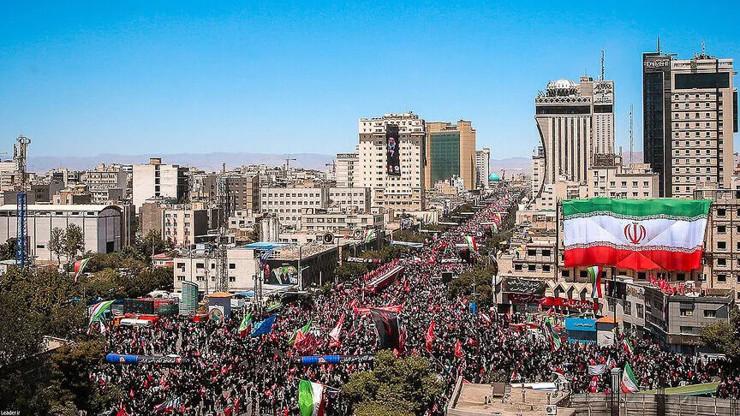
Israeli Strike Kills Ayatollah Ali Khamenei, Buried at Imam Reza Shrine in Mashhad
19 sources compared
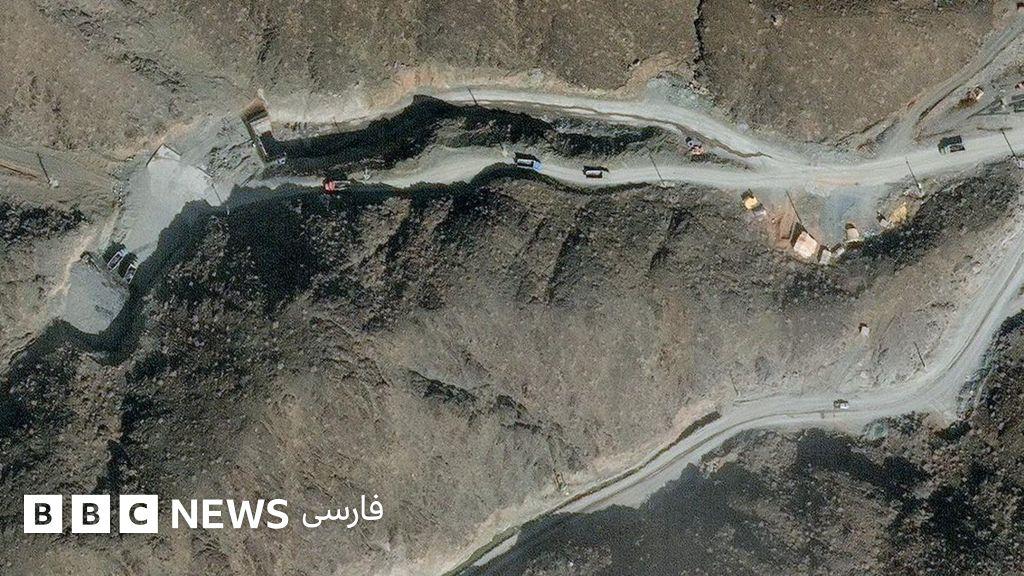
Iran Attempts To Restore Nuclear Sites Damaged In US And Israel Strikes, CNN Satellite Images Show
15 sources compared
Abbas Araghchi and Prince Faisal Bin Farhan Discuss Regional Developments After US Attacks
11 sources compared

Trump Says U.S. Agreed to Continue Iran Talks, Ceasefire Is Over
19 sources compared