Iran10 July, 20263 min read
Iran Warns Israel It Will Be Included In Any Retaliation Over US Infrastructure Strikes
Iran says Israel will be included in retaliation for attacks on Iranian infrastructure. Mohammad Baqer Zolqadr, SNSC secretary, issued the warning.
The Jerusalem Post was read line by line by the Watchdog: 4.3. See the score →
Threats over infrastructure strikes
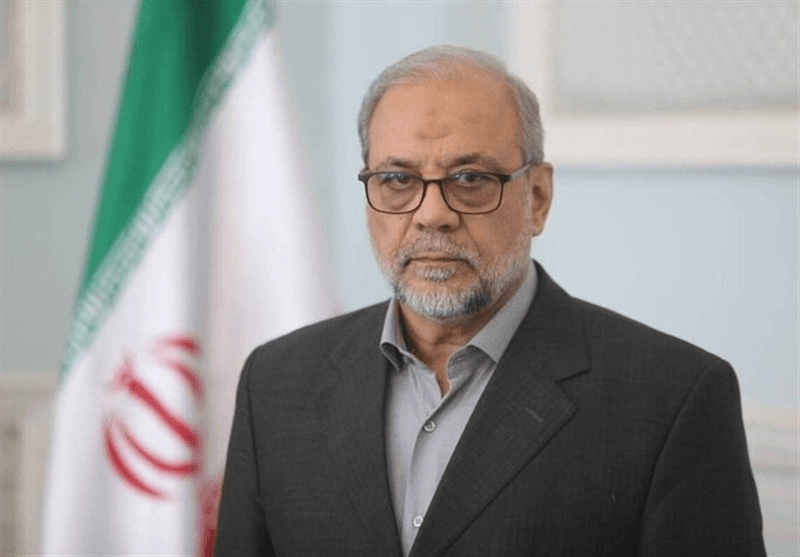
Iran warned that Israel would be included in any future retaliation if the United States continued targeting Iranian infrastructure, with Mohammad Bagher Zolghadr saying Tehran would respond decisively to further attacks on critical facilities. Zolghadr accused Israel of playing a central role in the ongoing hostilities and said, “any attack on infrastructure will be retaliated against, and the criminal Zionist regime responsible for these atrocities will not be spared from the response of our fighters,” as carried by Iranian state television. The warning came as the US military carried out heavy strikes overnight between Wednesday and Thursday, targeting 90 military sites, and Iran accused Washington of hitting civilian infrastructure including bridges and railway links between Tehran and Mashhad.
Iranian authorities said 17 people have been killed in US strikes, while the US military said around 90 Iranian military targets were hit in the latest strikes, including air defense systems, missile storage facilities, and drone sites. In parallel, Qatari negotiators were reported to be in Iran to meet Iranian officials to de-escalate tensions and create conditions for broader negotiations to continue, with talks conducted in coordination with the United States.
Retaliation vows and diplomacy
As exchanges of fire continued, Iran’s Supreme National Security Council secretary Mohammad Bagher Zolghadr threatened that any attack on infrastructure would be met with retaliation, and he said, “the criminal Zionist regime, which stands behind these evil acts, will not be immune from the response of the fighters.” The same period saw the US and Iran trade intense new attacks after Trump said the ceasefire was “over,” with the American military saying it hit “approximately 90 Iranian military targets including air defense systems, coastal surveillance assets, missile and drone storage sites, naval capabilities, and military logistics infrastructure along Iran’s coastline.” NBC News reported that Tehran retaliated with attacks on U.S. allies across the Middle East, triggering alerts in Qatar, Bahrain, Kuwait and hours later in Jordan, while the U.S. military said it had not carried out any further strikes on Thursday.
In Iran’s account, the Foreign Ministry denounced Wednesday’s strikes as a “grave war crime,” saying they targeted civilian infrastructure including two railway bridges on the route to Mashhad. Qatari negotiators were described as working to prevent renewed war, with The New York Times reporting that Qatar was in contact with both sides as diplomacy tried to take the lead.
What’s at stake next
The standoff over the Strait of Hormuz remained central to the dispute, with Iran insisting on controlling traffic through the waterway and refusing to restore navigation to the prewar status quo. In the memorandum of understanding described in the reporting, Article 5 stated that Iran and Oman will hold discussions on the strait's future management, leaving the door open for Tehran to press its sovereignty claims. Radio Free Europe/Radio Liberty reported CENTCOM’s stance that “Iran does not control the Strait of Hormuz,” adding that since early May U.S. forces helped facilitate the successful transit of more than 800 commercial vessels and 380 million barrels of crude oil through the vital international trade corridor.
“Iran does not control the Strait of Hormuz.”
The same reporting said Israel’s Defense Minister Israel Katz was prepared to resume its military campaign against Iran if necessary “with even greater force,” while Netanyahu’s office said Netanyahu spoke with President Donald Trump and was briefed on “American moves in the Gulf.” Meanwhile, Iran’s Supreme National Security Council secretary Mohammad Bagher Zolghadr warned that “Israel will not be spared from the response,” as Qatari negotiators in Iran sought to de-escalate tensions and create conditions for broader negotiations to continue.