Iran Warns It Will Respond Decisively After U.S. Self-Defense Strikes Near Bandar Abbas
Key Takeaways
- US conducts self-defense strikes in southern Iran near Hormozgan, targeting missile sites and boats.
- Iran warns of decisive retaliation, says US strikes violate the ceasefire.
- Strikes potentially jeopardize ongoing ceasefire negotiations.
Strikes during talks
The United States launched “self-defence” strikes on Iran in southern Iran, with NBC News reporting that Iran accused the United States of “a clear violation of the ceasefire” after the U.S. launched defensive strikes that threatened to disrupt intensifying talks to end the war.
NBC News said two U.S. officials described the strikes as direct response to “24 hours of missile, drone and small boat launches” by Iran’s Islamic Revolutionary Guard Corps near the Strait of Hormuz, and that no U.S. aircraft were hit.

In a statement carried by the semiofficial news agency Fars, Iran’s Revolutionary Guard vowed to “respond decisively to any violation of the ceasefire,” while also claiming it had shot down an American MQ-9 drone and fired at another U.S. drone and F-35 fighter jet.
The BBC reported that the U.S. strikes targeted an area near Bandar Abbas, a southern port city and home of an Iranian naval base that sits on the Strait of Hormuz, and that Iranian state media earlier reported local officials in Bandar Abbas were investigating after explosions were heard.
Secretary of State Marco Rubio told reporters in India that a deal could still be possible and said negotiating a deal with Iran could “take a few days,” even as the U.S. and Iran continued to trade accusations over ceasefire violations.
Retaliation threats
Iran’s Foreign Ministry said the U.S. had committed a violation of the ceasefire in the Hormozgan region over the past 48 hours, and NBC News quoted Tehran warning that it would “leave no act of aggression unanswered and will not hesitate in defending the dignity of Iran and its people.”
The BBC reported that Iran’s Supreme Leader Mojtaba Khamenei said the Middle East “will no longer serve as shields for US bases,” in a message marking the annual Hajj pilgrimage.

NBC News also said there was no announcement of any change in the temporary ceasefire that went into effect April 8, while CENTCOM spokesperson Navy Capt. Tim Hawkins said the U.S. “continues to defend our forces while using restraint during the ongoing ceasefire.”
In parallel, the BBC reported that Iran’s foreign ministry spokesman Esmail Baqai responded to the idea of imminent signing by saying: “to say that this means the signing of an agreement is imminent - no-one can make such a claim.”
NBC News further reported that the presence of Tehran’s top negotiators in Qatar offered another clue that there may be progress toward a deal, with Parliament Speaker Mohammad Bagher Ghalibaf leaving Qatar on Tuesday after staying overnight for continuing talks.
What’s at risk
The dispute over strikes and ceasefire violations is unfolding alongside a negotiation framework that NBC News said could see the end of the war and the reopening of the Strait of Hormuz, with a 60-day period to reach a full peace deal after an initial “memorandum of understanding.”
“US strikes southern Iran in 'self defence' targeting Iranian mine boats The US military has launched a series of strikes near the Strait of Hormuz as an Iranian delegation led by top officials travelled to Qatar to hold negotiations to end the US-Israel war on Iran”
NBC News reported that the unfreezing of billions of dollars of Iranian assets held by the Gulf emirate was a central demand of the team, and it said the framework being discussed would then give the two sides 60 days to reach a full peace deal.
The BBC added that the memorandum of understanding being discussed reportedly involves a 60-day ceasefire extension, the reopening of the Strait of Hormuz, and a plan for further negotiations over Iran’s nuclear programme.
In the background of the military and diplomatic standoff, NBC News said the U.S. military has blockaded Iranian ports, throttling maritime traffic and disrupting global supplies of energy and food, while also reporting that CENTCOM said it had redirected 108 commercial vessels to ensure compliance as part of the ongoing naval blockade.
NBC News said the stakes include the Strait of Hormuz itself, noting that Iran effectively closed the crucial trade route and that the U.S. strikes came as talks were ongoing, with Rubio telling reporters in India that negotiators were down to “disagreements over a word, a sentence.”
More on Iran
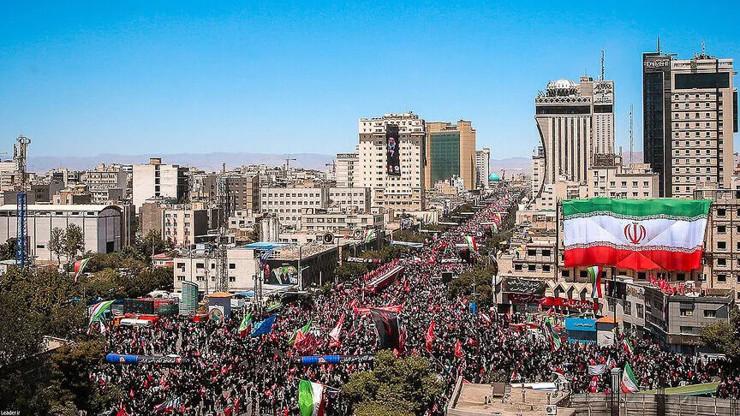
Israeli Strike Kills Ayatollah Ali Khamenei, Buried at Imam Reza Shrine in Mashhad
19 sources compared
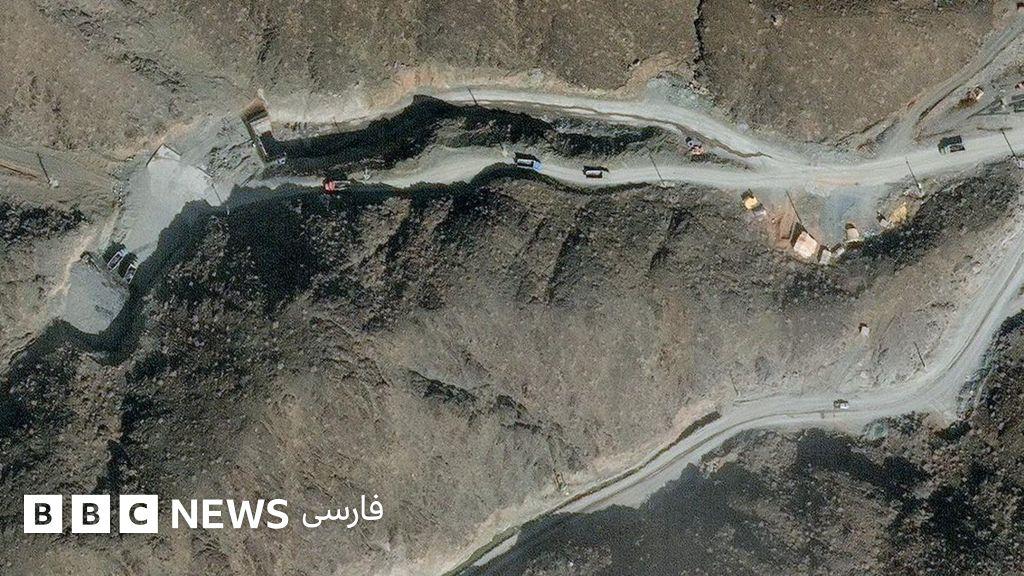
Iran Attempts To Restore Nuclear Sites Damaged In US And Israel Strikes, CNN Satellite Images Show
15 sources compared
Abbas Araghchi and Prince Faisal Bin Farhan Discuss Regional Developments After US Attacks
11 sources compared

Trump Says U.S. Agreed to Continue Iran Talks, Ceasefire Is Over
19 sources compared