Iran02 April, 20261 min read
Iran War's Economic Fallout Hits US Allies More Than Iran
Allies face higher energy costs and market volatility due to the war. NATO allies largely resist participation, widening transatlantic rift.
Allies Bear Economic Costs
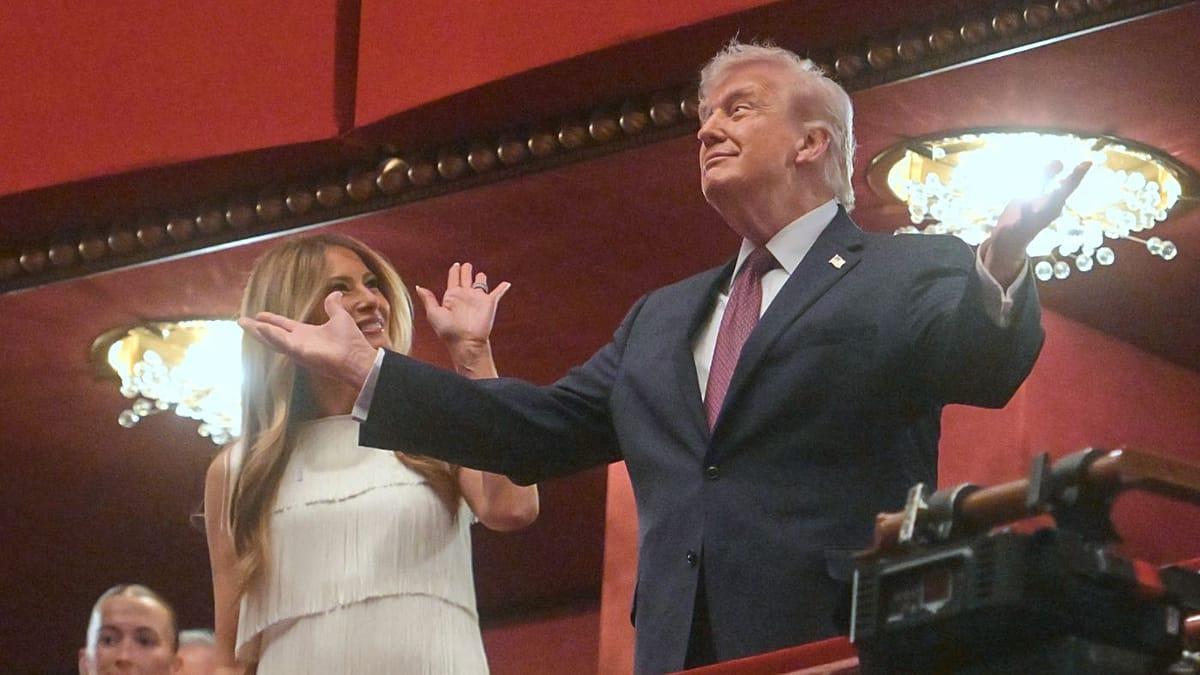
The economic consequences fell disproportionately on Washington's European and Asian allies rather than on Iran. The Strait of Hormuz blockade disrupted a fifth of global LNG exports and a third of crude oil exports.
The closure placed significant strain on Australia's fuel supply and exposed vulnerabilities in Indonesian straits. Trump threatened to sever ties with NATO over the allies' refusal to join the war.

Trump's NATO Fury
Trump publicly threatened to reconsider US membership in NATO. The 2023 law requires a two-thirds Senate majority to approve withdrawal.
Article 5 of NATO doesn't apply because the US is not under attack. Spain had closed its airspace to US military planes involved in the conflict.
Strategic Quagmire
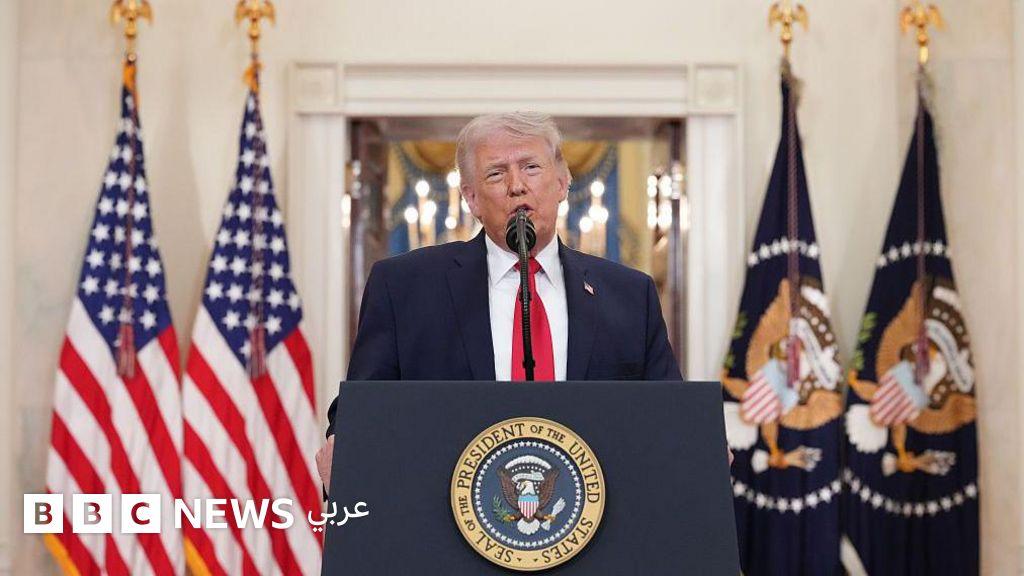
Iran demonstrated resilience complicating Trump's promise to end the war quickly. The Washington Post summarized Trump faces a strategic quagmire.
CSIS analyzed the divergent objectives of the combatants. The Atlantic Council described the campaign as a high-risk gamble.