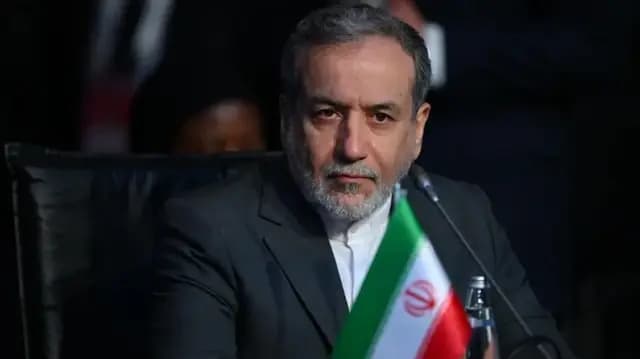
Iranian Foreign Minister Abbas Araghchi accuses US of repeating Vietnam-era delusions in the Middle East
Key Takeaways
- Iran's foreign minister accuses US of repeating Vietnam-era delusions in Middle East war narrative.
- He says US victory claims are detached from ground reality.
- He draws a parallel to Vietnam-era Westmoreland briefings as a pattern of US self-deception.
Iran Accuses US of Historical Parallels
Iranian Foreign Minister Seyed Abbas Araghchi has accused the United States of repeating Vietnam-era delusions in its messaging about the ongoing regional conflict.
“America’s ‘Five O’Clock Follies’ 2”
The foreign minister drew a direct parallel between current US war narratives and the discredited briefings of the Vietnam War era.
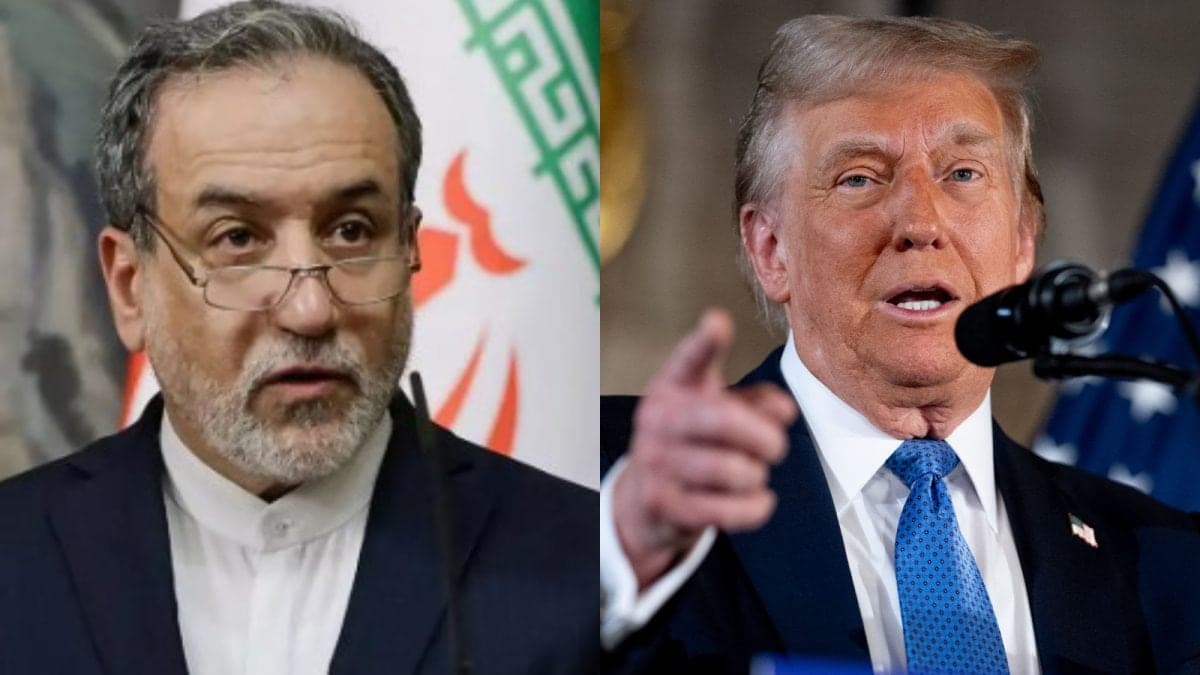
In a pointed critique posted on social media, Araghchi invoked historical memory to challenge Washington's claims of success.
The Iranian official suggested that American officials are similarly detached from battlefield realities as their predecessors were decades ago.
Araghchi specifically highlighted how US officials, including prominent figures, continue to assert that the United States is 'winning' despite evidence suggesting otherwise.
He described this as creating a dangerous disconnect between official pronouncements and actual conditions on the ground.
Historical Vietnam Reference
Araghchi specifically referenced the infamous 'Five O'Clock Follies' - the daily briefings during the Vietnam War that projected unwarranted optimism despite heavy losses and deteriorating conditions.
The Iranian foreign minister recalled how General William Westmoreland was brought home in 1967 to reassure Americans that there was 'light at the end of the tunnel' and that the US was 'winning.'

This occurred even as hundreds of soldiers were dying and the conflict's outcome was becoming increasingly clear.
This historical comparison carried particular weight, as the Vietnam War ultimately resulted in over 50,000 American deaths and nearly 3 million Vietnamese casualties.
Araghchi suggested that this could be repeated in the current regional conflict if Washington continues its detached messaging.
Military Reality Claims
The Iranian foreign minister provided specific examples to support his claims of a disconnect between US official statements and ground reality.
“Iran FM says US repeating Vietnam-era delusions in Middle East Iranian Foreign Minister Abbas Araghchi has accused the United States of repeating the same pattern of self-deception seen during the Vietnam War, citing historical parallels between General William Westmoreland's optimistic briefings and current US official statements on the Iran conflict”
Araghchi highlighted the reported incident of an F-35 fighter jet making an emergency landing after being hit.
This incident contradicted US assertions about Iranian air defenses being destroyed.
He also pointed to strategic maneuvers by US naval forces, specifically mentioning the USS Gerald Ford and USS Abraham Lincoln moving away from forward positions.
These movements suggested that the conflict is far from the one-sided victory portrayed by Washington.
These tactical observations served as concrete evidence that the Iranian leadership believes the US is misrepresenting the actual military situation.
Regional and Global Impact
The broader implications of Araghchi's accusations extend beyond military assessments to regional stability and global energy markets.
The conflict has already disrupted global energy markets and raised significant concerns about wider regional stability, according to regional observers.
By invoking the Vietnam analogy, the Iranian foreign minister appears to be positioning the current confrontation as potentially as costly and strategically damaging for American interests as that earlier conflict was.
This historical comparison serves multiple purposes: it challenges US credibility in the region.
It also warns of potential escalation and suggests that American assertions of control may be as misguided as they were during the Vietnam era.
These warnings come with potential consequences for global energy security and regional power dynamics.
Messaging Strategy Analysis
Araghchi's messaging strategy represents a sophisticated effort to shape international perceptions by leveraging historical parallels.
“Iran’s Foreign Minister Seyed Abbas Araghchi on Friday criticised the United States’ communication regarding the ongoing regional conflict, comparing Washington’s messaging to the discredited briefings of the Vietnam War era”
The Iranian foreign minister's direct quote about the 'same script, different stage' suggests a deliberate attempt to frame the current US approach as part of a pattern of strategic miscalculation.
His emphasis on the gap between what US officials claim and what is actually happening on the ground appears designed to undermine American credibility.
This messaging simultaneously positions Iran as a more reliable narrator of events.
This historical framing may resonate particularly strongly in global south countries and among populations skeptical of US military interventions.
Such positioning could limit Washington's diplomatic flexibility and complicate efforts to build international consensus around its regional policies.
More on Iran
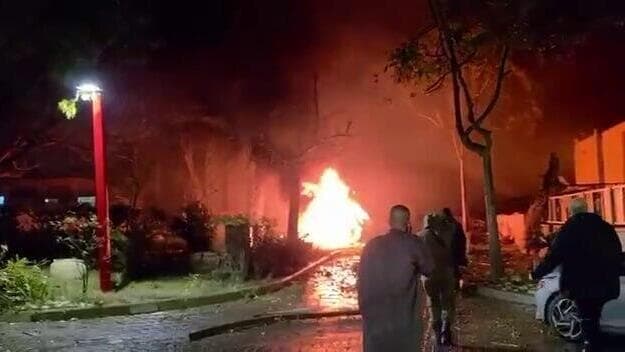
Iran Attacks Israeli Towns Dimona and Arad Near Israel's Main Nuclear Research Center, Dozens Wounded
43 sources compared
Iran Attacks Dimona in Retaliation for Natanz Strike
44 sources compared

Iran Attacks Diego Garcia with Long-Range Missiles, Targeting U.S.-UK Base
82 sources compared
Trump Defends Iran War by Citing Pearl Harbor
12 sources compared