Full story
Hormuz fees and blockade
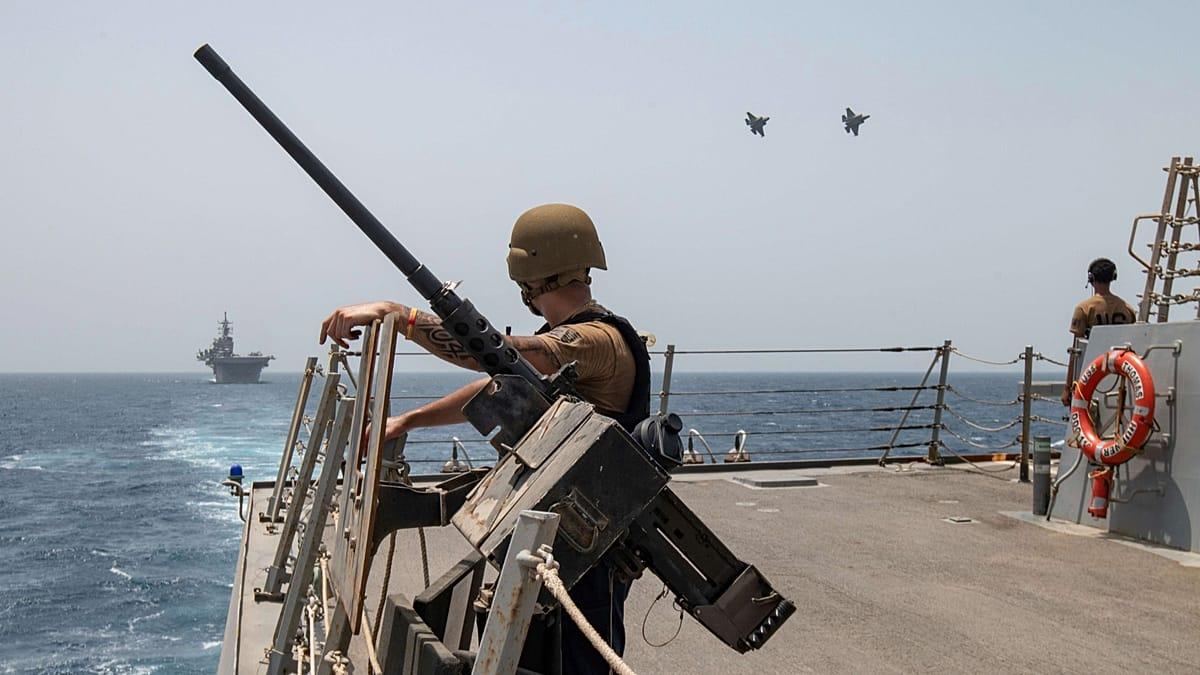
Iranian officials tied the Strait of Hormuz to both money and military pressure, with Ahmad Bakhshesh Ardestani saying that if the Americans lengthen the naval blockade, crossing fees could rise by three to four million dollars.
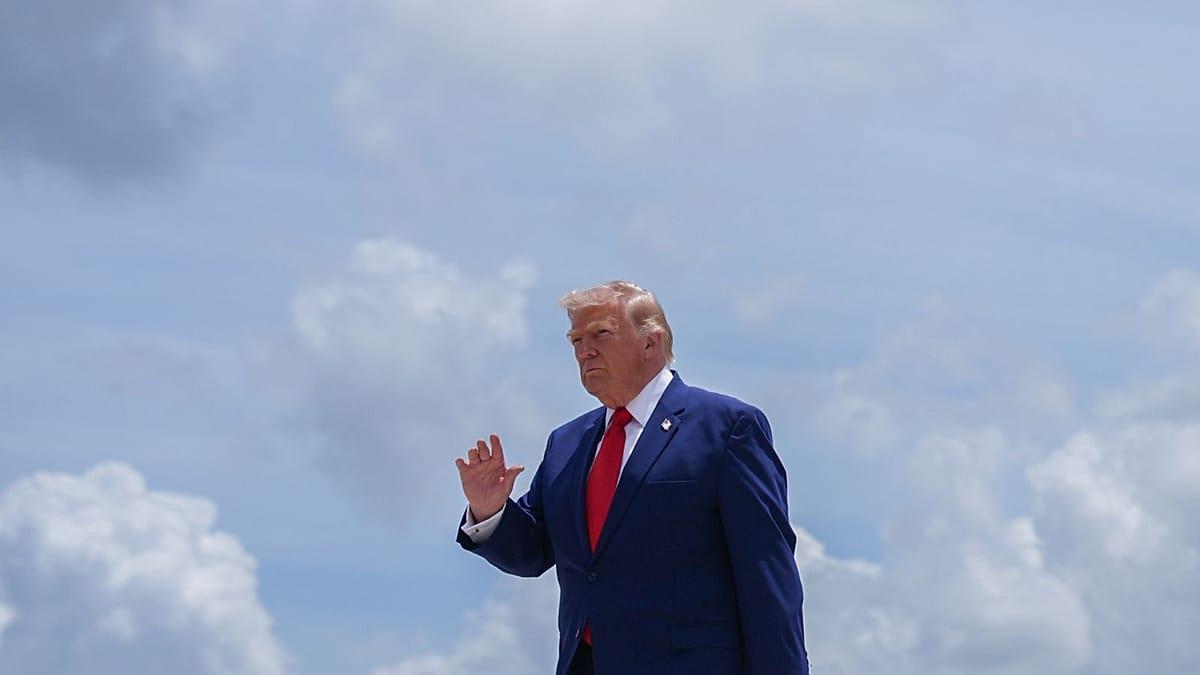
Ardestani also criticized Donald Trump’s approach, saying Trump typically "lights the fuse of peace over the weekend, then lights the fuse of war and tensions on the same weekend in order to speculate in the oil market."
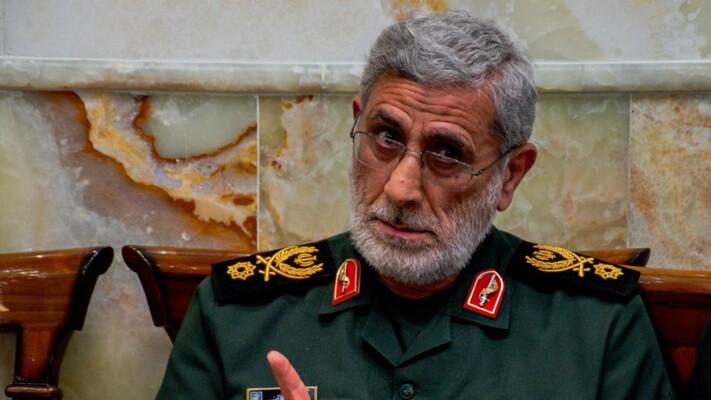
In a separate account, Mohsen Zangeneh said Iran collects between $1.5 million and $2 million from each ship transiting the Strait of Hormuz as part of an official plan to collect service fees.
The same reporting said the plan is implemented under the supervision of the Supreme National Security Council and in cooperation with the Ministry of Economy, with collected amounts deposited in the general treasury in accordance with the Budget Law and spent in specific places.
Al Jazeera’s Open Source Unit later described how navigation through the Strait of Hormuz has been disrupted since the war began on February 28 and up to June 7, with at least 475 ships crossing in both directions over the 100 days, at about 5 ships per day.
Navigation disruptions and attacks
Al Jazeera’s Open Source Unit analysis said it could not determine the exact number of crossings because some AIS transmissions were shut off or due to navigational jamming that coincided with bombardments and periods of complete movement blockage.
The unit observed at least 475 ships crossing the strait in both directions over the 100 days, while also noting that the prewar crossing rate was 138 ships per day according to data from the United Kingdom Maritime Trade Operations (UKMTO).

The analysis also said about 21 ships were attacked in the Strait of Hormuz, the Gulf, and the Gulf of Oman, and that U.N. data indicated seven sailors killed, eight injured, and five missing since the war began.
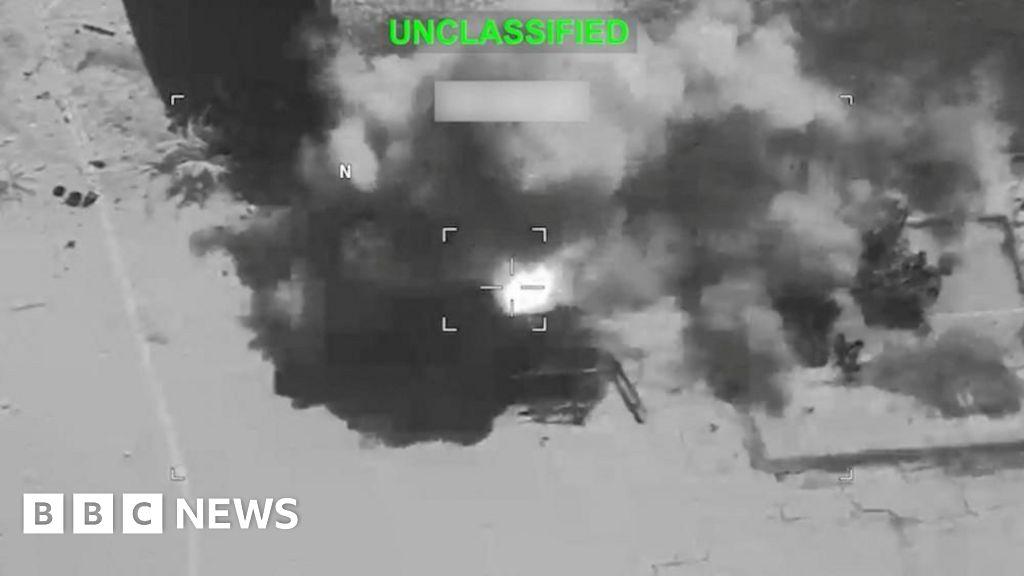
In parallel, the report described a shift in the strait’s navigational reality after the IRGC imposed strict restrictions, with satellite imagery on June 6 showing a massive gathering of ships ahead of the Strait of Hormuz and imagery on the same day showing no crossing movement.
It further said Tehran announced on May 5 the establishment of the Iranian Hormuz Strait Authority and published a map outlining regulatory jurisdiction requiring Iran’s prior approval to pass.
Iran’s conditions and threats
Mohsen Rezaei, described as a member of the Expediency Discernment Council, said that if negotiations do not yield results, Iran will not tolerate a blockade and that the Strait of Hormuz is under Iran’s management.
Rezaei said, "We will not back down from enrichment," and argued that enrichment is a national asset and a technology used in agriculture, pharmaceuticals, and electricity production.
He also laid out conditions for any settlement, saying the United States must free all Iran’s financial resources, sanctions must be lifted, the blockade must end, American forces must withdraw, and Israel must retreat and formally recognize the region’s political borders and withdraw from Lebanon, Syria, and other areas.
In a separate interview, PressTV quoted Rezaei saying, "we will definitely break any naval blockade," while also stating that Iran is serious about negotiations but more serious about defending itself.
Taken together with the Open Source Unit’s depiction of disruptions and attacks, the sources portray the Strait of Hormuz as a central pressure point where Iran links navigation control, fees, and enrichment to what it says are non-negotiable rights.