Iran-Israel09 January, 20263 min read
Iranian Regime Imposes Near-Total Internet Blackout To Suppress Nationwide Economic Protests
Iranians nationwide protest over soaring prices, currency collapse, and basic-goods shortages Authorities imposed a near-total internet and telephone blackout across Iran

10 outlets told this the same way.
Outlets did split on U.S. Intercepts Iran Message Activating Sleeper Cells After U.S.-Israel Strike Kills Khamenei →
Iran internet blackout during protests
Iran imposed a near-total internet blackout as a nationwide wave of protests over worsening economic conditions intensified.
Monitoring groups and analysts said the country was almost entirely disconnected from the outside world.
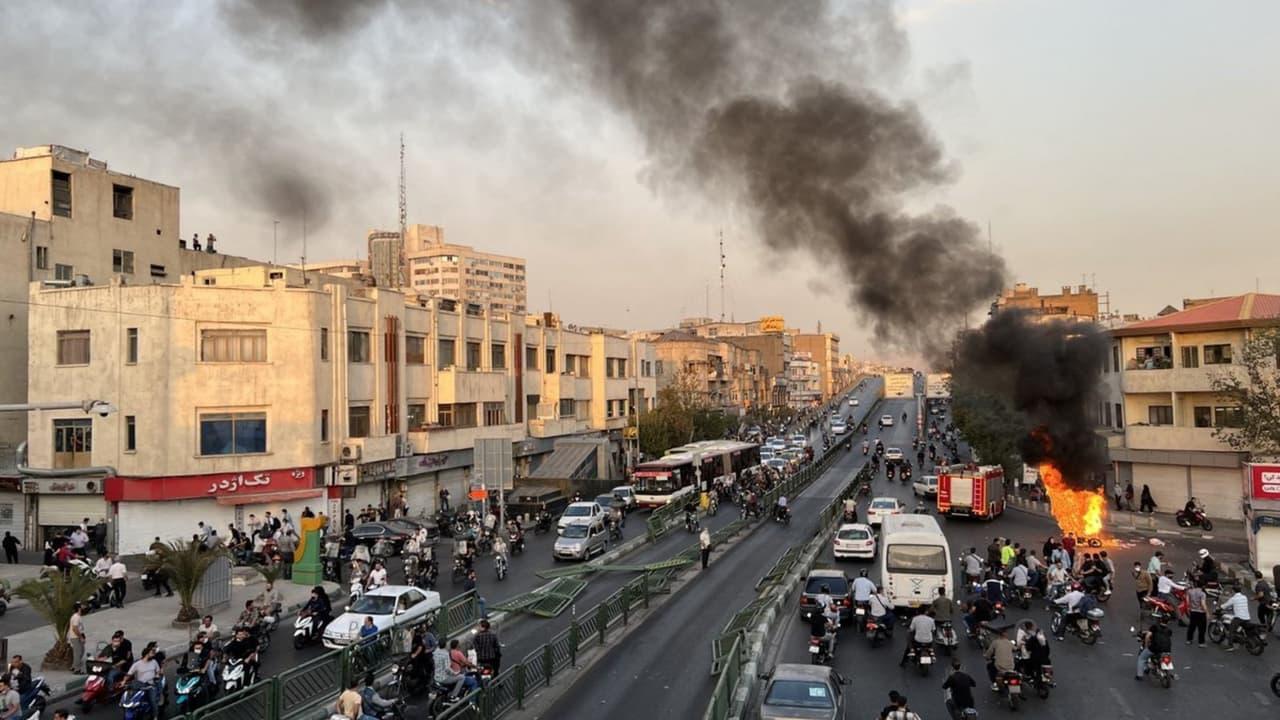
PhotoNews Pakistan reports that Amir Rashidi of the Miaan Group attributed the outage to state-level controls and noted Tehran’s history of shutdowns during unrest.
Doug Madory of Kentik told researchers the disruption began around 11:30 a.m. ET (about 8:00 p.m. local).
RFE/RL documented a government-imposed near-total blackout, with NetBlocks reporting connectivity down to roughly 1%.
The Daily Mail corroborated NetBlocks’ near-nationwide finding as the communications blackout coincided with thousands of protesters and plans for further demonstrations.
Protest scope and casualties
The protests have been large and geographically widespread, though accounts differ on exact scale and casualty figures. The Daily Mail reports demonstrations spreading since late December from Tehran to 348 towns and all 31 provinces, and Norway-based NGO Iran Human Rights says at least 45 people, including eight children, were killed, hundreds were wounded, and more than 2,000 were arrested.
The Sunday Guardian, citing HRANA and other counts, places unrest in more than 280 locations across 27 of Iran’s 31 provinces and reports at least 42 people killed and over 2,270 arrested. RFE/RL takes a more cautious verification approach: Radio Farda had verified 25 protester deaths as of January 9 and notes human-rights groups reported at least 28 killed between Dec 31 and Jan 3, while News9live summarizes reports that nearly 45 people have been killed amid protests fueled by economic hardship and political repression.

Security response to protests
Security forces' response is described across sources as heavy-handed and, in places, lethal. RFE/RL details the use of live fire, shotguns loaded with metal pellets, tear gas, water cannon, beatings and mass arrests. RFE/RL reports most victims were young men who died of gunshot wounds, with many deaths concentrated in western provinces.
“Nearly 45 people have been killed amid protests fueled by economic hardship and political repression.”
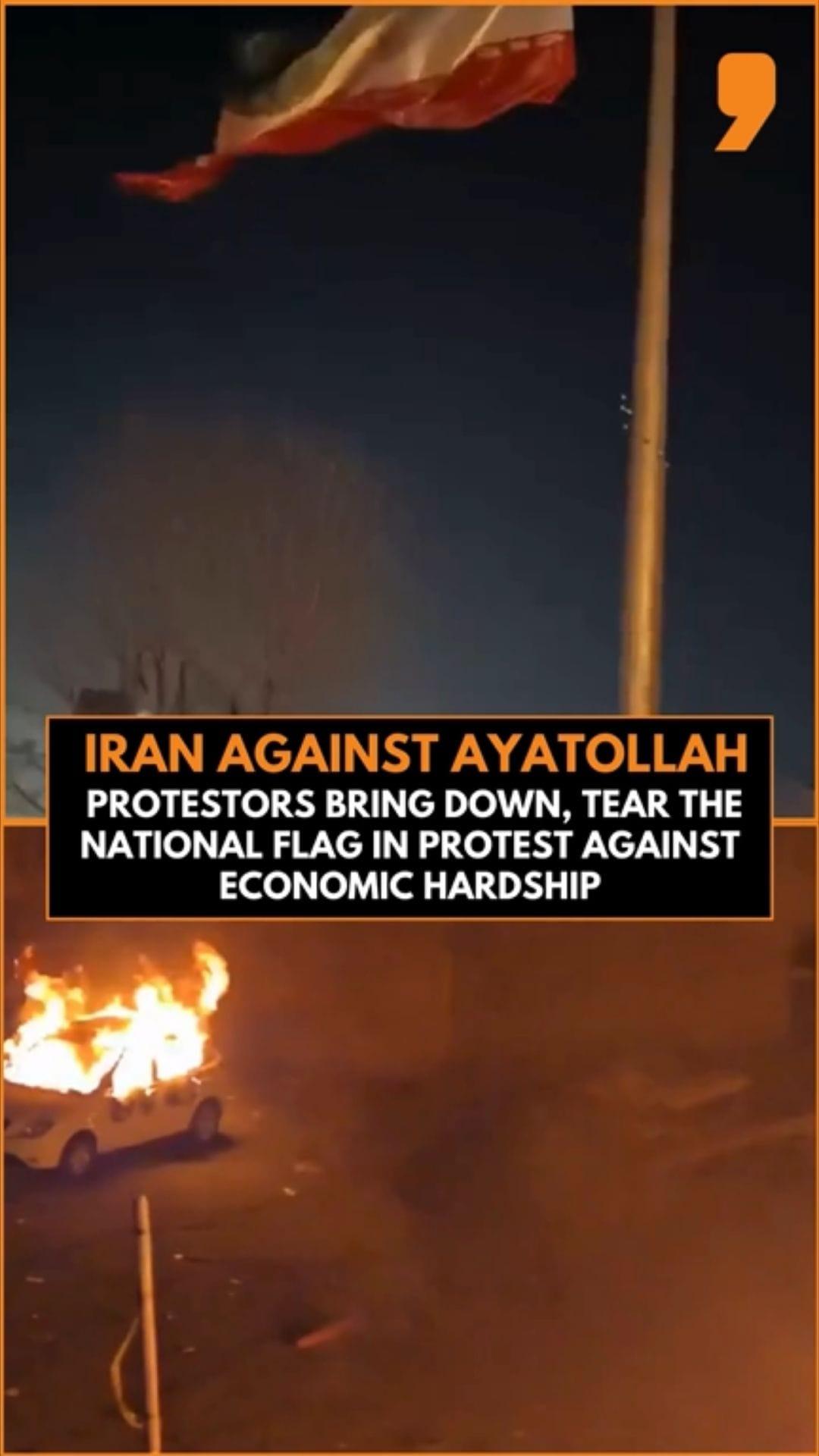
The Daily Mail documents that authorities fired on demonstrators in some western and Kurdish-populated areas and cites Iran Human Rights figures. The Sunday Guardian and News9live report demonstrators attacked government buildings and set fires in some locales, while also documenting widespread arrests and reported fatalities. PhotoNews Pakistan ties the internet blackout to state suppression as protests continued.
Economic and Political Drivers
Reporting on protest drivers and the political context shows overlapping but distinct emphases. Many sources point to severe economic pain, with PhotoNews Pakistan listing inflation, currency depreciation, and shortages of basic goods. The Sunday Guardian cites near-40% inflation, soaring food prices, and a collapsing rial that was worsened by sanctions.
RFE/RL highlights that poorer, largely minority western provinces were hit especially hard by the economic crisis. Other outlets, such as the Daily Mail, emphasize symbolic acts and political slogans, reporting toppled statues and chants against the clerical leadership. These reports illustrate how economic grievances have merged with political anger over governance and repression.
&w=1920&q=75)
Reporting on Iran unrest
State media and leaders framed the unrest as 'saboteurs' or 'vandals,' and Supreme Leader Ayatollah Ali Khamenei was quoted condemning the protesters. Some international actors warned of consequences if violence escalates, according to the Daily Mail. Human-rights groups cited by RFE/RL called the use of lethal force unlawful and urged authorities to end such measures.
“Amnesty International and Human Rights Watch, which called the use of lethal force unlawful and urged an immediate end to such measures.”
The Sunday Guardian and PhotoNews Pakistan suggest the movement shows no sign of slowing and could pose a grave challenge to Iran's rulers. Continuing communication blackouts and mass arrests leave the situation fluid and the true human toll uncertain.