Iran’s Abbas Araghchi Travels to Pakistan as Trump Sends Witkoff and Kushner for Ceasefire Talks
Image: Sawt Beirut International

Iran’s Abbas Araghchi Travels to Pakistan as Trump Sends Witkoff and Kushner for Ceasefire Talks

25 April, 2026.Iran.36 sources

Key Takeaways

  • Araghchi arrived in Islamabad for Pakistani-led mediation talks.
  • U.S. envoys Witkoff and Kushner travel to Islamabad for ceasefire talks.
  • Iran rules out direct talks with the U.S. during Islamabad visit.

Araghchi heads to Islamabad

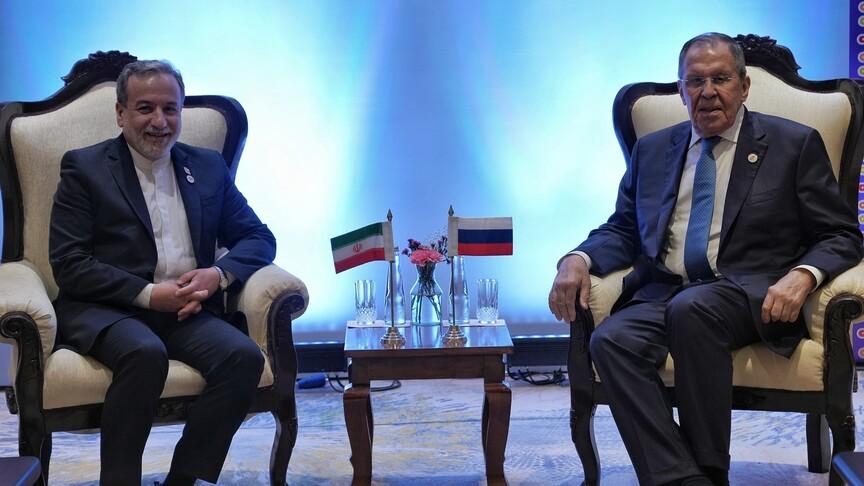
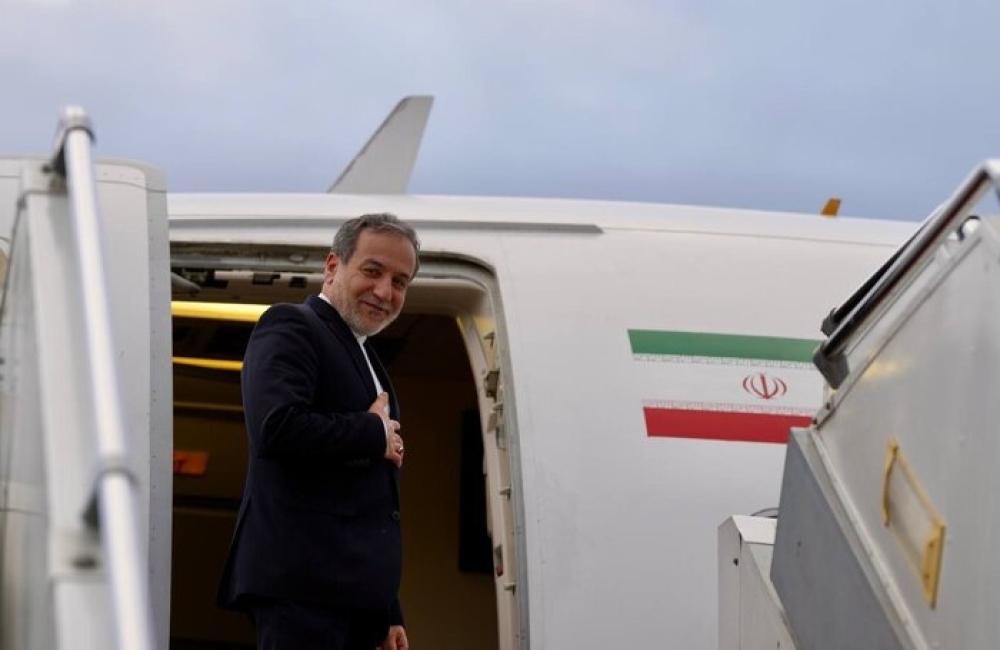
Iran’s top diplomat Abbas Araghchi is traveling to Pakistan as officials there try to convene a second round of ceasefire negotiations between Iran and the United States.

The Associated Press reported that Iran’s state-run IRNA news agency confirmed Foreign Minister Abbas Araghchi was on his way to Pakistan on a trip focused on "bilateral consultations" and regional developments, and that he would also travel to Oman and Russia.

Image from @globaltimesnews
@globaltimesnews@globaltimesnews

The AP said two Pakistani officials told The Associated Press that Araghchi was heading to Pakistan with a small government delegation, speaking on condition of anonymity because they were not authorized to speak to the media.

In Islamabad, the White House said President Donald Trump was sending envoys Steve Witkoff and Jared Kushner to meet with Araghchi, with White House press secretary Karoline Leavitt saying, "We’re hopeful that it will be a productive conversation and hopefully move the ball forward to a deal."

Iran’s position on direct talks is sharply constrained: Iranian foreign ministry spokesman Esmael Baqaei said on X, "No meeting is planned to take place between Iran and the U.S."

The same AP reporting said Araghchi arrived in Islamabad late Friday and wrote on social media that he was traveling to Pakistan on a trip focused on "bilateral matters and regional developments."

Ceasefire diplomacy meets nuclear demands

The diplomatic push comes as the war between the United States and Iran has snarled energy exports through the Strait of Hormuz and left thousands dead, with the conflict described as having entered its ninth week.

The Associated Press said the negotiations had been set to resume this week but did not materialize, and that Islamabad was trying to reinject momentum after Trump announced an indefinite extension of the ceasefire with Iran.

Image from Al Jazeera
Al JazeeraAl Jazeera

In parallel, the White House said Trump issued a 90-day extension to the Jones Act waiver, with the AP reporting that Trump first announced a 60-day waiver in mid-March and that the move was intended to stabilize energy prices and ease oil and gas shipments to the U.S.

The AP said the price of Brent crude oil retreated on the news, falling to around $104 a barrel after earlier edging up to more than $107.

The Globe and Mail reported that the conflict began with U.S.-Israeli air strikes on Iran on Feb. 28, and said Iran has largely closed the Strait of Hormuz while the U.S. blocks Iran’s oil exports.

Against that backdrop, Iran’s negotiating posture is framed as conditional and mediated: Reuters reporting relayed by NDTV Profit said Iranian Foreign Minister Abbas Araghchi conveyed Tehran’s reservations about U.S. expectations to Pakistani officials, and a Reuters source said, “Principally, Iranian side will not accept maximalist demands.”

Defense Secretary Pete Hegseth pressed for a nuclear rollback, telling reporters, "All they have to do is abandon a nuclear weapon in meaningful and verifiable ways."

Voices clash over direct talks

As Araghchi met Pakistani leaders, the competing messages from Washington and Tehran centered on whether direct U.S.-Iran meetings would occur and what each side expects from the ceasefire framework.

The AP reported that in their call Friday, Araghchi, his Pakistani counterpart Ishaq Dar, and Pakistan’s army chief Field Marshal Asim Munir talked over "regional developments and issues related to the ceasefire," with a statement from Araghchi saying it did not go into further detail.

Pakistan’s Foreign Ministry later said that "both sides exchanged views on regional developments, the ceasefire, and ongoing diplomatic efforts being pursued by Islamabad in the context of U.S.-Iran engagement," and added that Dar underscored the importance of sustained dialogue.

On the U.S. side, Leavitt told reporters, “So, Steve, Jared will be heading to Pakistan tomorrow to hear the Iranians out. We hope progress will be made and we hope that positive developments will come from this meeting And we will see.”

Defense Secretary Pete Hegseth said Iran had a chance to secure a “good deal,” adding, "Iran has a chance to secure a “good deal."" and that "All they have to do is abandon a nuclear weapon in meaningful and verifiable ways."

Iran’s foreign ministry spokesman Esmael Baqaei rejected direct engagement, saying, "No meeting is planned to take place between Iran and the U.S."

Meanwhile, Iranian officials denied direct talks even as the visits raised hopes, with Al Jazeera reporting that Iranian officials deny they plan on holding talks with US delegates while the visits raise hopes to break the Strait of Hormuz deadlock with diplomacy.

Different outlets frame the same trip

Coverage diverged on how to characterize the talks’ format and what the diplomatic movement actually means for the likelihood of a breakthrough.

The Associated Press and Orlando Sentinel both described a U.S. plan for envoys Steve Witkoff and Jared Kushner to travel to Pakistan to meet with Iran’s foreign minister, while also reporting Iran’s denial of direct negotiations, including Esmael Baqaei’s statement that "No meeting is planned to take place between Iran and the U.S."

Image from Barlāmanī
BarlāmanīBarlāmanī

In contrast, WWMT framed the same sequence as Iran ruling out direct talks with the U.S. while ceasefire diplomacy set to resume in Pakistan, quoting Karoline Leavitt’s remarks that the president was “always willing to give diplomacy a chance,” and adding that Vice President JD Vance “is on standby” and will head to Pakistan if necessary.

The Globe and Mail emphasized the impasse and the nuclear and sanctions context, writing that Araghchi "explained our country’s principled positions regarding the latest developments related to the ceasefire and the complete end of the imposed war against Iran," and quoting Reuters that "Principally, Iranian side will not accept maximalist demands."

Al Jazeera’s reporting, meanwhile, focused on the hopes that diplomacy could break the Strait of Hormuz deadlock, stating that the visits have raised hopes the two sides can break the deadlock with diplomacy even as Iranian officials deny direct talks.

NDTV Profit added a more explicit negotiation framing, saying Iran outlined its negotiating demands and red lines to Pakistan and that Tehran refuses direct talks with the U.S., preferring communication through Pakistan.

Even within the AP reporting, the same event is presented with different emphasis: the AP highlighted the call among Araghchi, Ishaq Dar, and Field Marshal Asim Munir, while the Orlando Sentinel foregrounded the White House’s decision to send Witkoff and Kushner “to hear the Iranians out.”

What’s at stake next

The stakes for Iran and the United States are tied to whether the Strait of Hormuz deadlock can be eased and whether the ceasefire can translate into a durable political arrangement, with the conflict already described as having killed thousands and roiled global markets.

The AP said Iran has kept its stranglehold on traffic through the strait, attacking three ships earlier this week, while the U.S. has maintained its blockade of Iranian ports and ordered the military to "shoot and kill" small boats that could be placing mines.

Image from BBC
BBCBBC

The AP also said Washington now has three aircraft carriers in the region, with the USS George H.W. Bush in the Indian Ocean, the USS Abraham Lincoln in the Arabian Sea, and the USS Gerald R. Ford in the Red Sea, and that the force includes 200 aircraft and 15,000 sailors and Marines, U.S. Central Command said.

The Globe and Mail reported that shipping data showed five ships had crossed the Strait of Hormuz in the previous 24 hours compared with around 130 a day before the war launched on February 28, and that Vortexa recorded 35 total transits through the U.S. blockade from April 13 to 22.

Al Jazeera’s reporting described a possible pathway through a “middle-ground” proposal, saying Iran would ease its grip on the Hormuz Strait and allow passage for a limited number of ships in return for corresponding American relief of the blockade on Iranian ports.

At the same time, the U.S. is tightening economic pressure: WWMT reported that the Trump administration announced it is placing economic sanctions on a major China-based oil refinery and roughly 40 shipping companies and tankers involved in transporting Iranian oil.

The diplomatic sequence is also time-sensitive, with the Tribune reporting that the U.S. and Iran are poised to hold a second round of talks in Islamabad likely on Sunday, and with Leavitt telling reporters, "Yes, I can confirm, special envoys Steve Witkoff and Jared Kushner will be off to Pakistan again tomorrow morning to engage in talks."

More on Iran