Iran04 July, 20263 min read
Iran’s First Vice President Mohammad Reza Aref Says Post-War Cooperation With Islamic Nations Expands
This article is an automated aggregation of coverage from news outlets. Our editorials offer in-depth analysis curated by the NewsCord team.
Islamic nations' ties have taken a new form in the post-war period. Regional issues should be resolved through cooperation with Islamic nations.

Aref courts Islamic cooperation
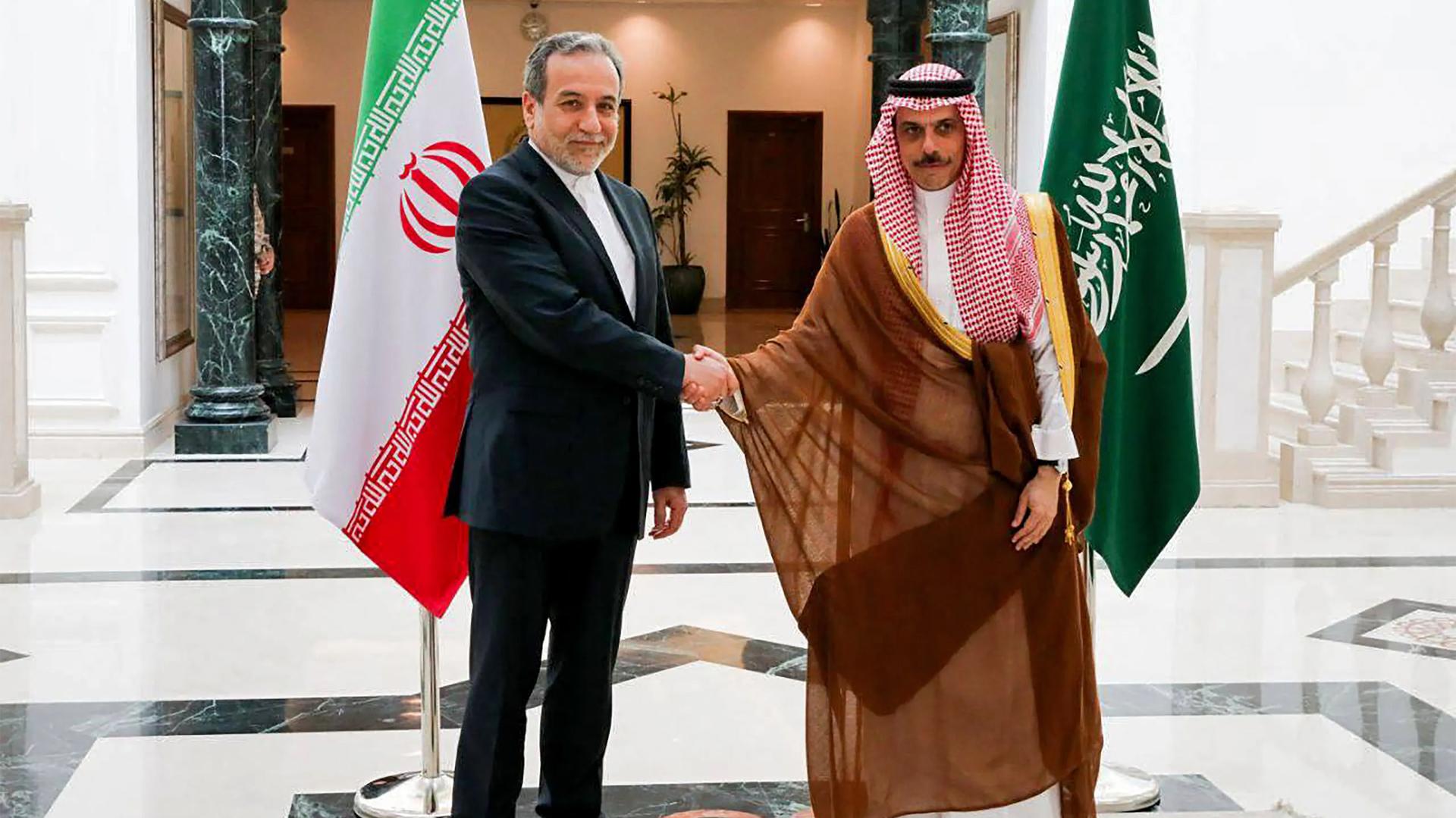
Iran’s First Vice President Mohammad Reza Aref said Saturday that the country has entered “a new phase of cooperation with regional countries and Islamic nations in the post-war era,” speaking during a meeting with Malaysia's Minister of Agriculture and Food Security, Datuk Seri Mohamad Sabu, in Tehran for the farewell ceremony of the Leader of Islamic Revolution. Aref said resolving issues between regional countries, including national interests and development, should be achieved through cooperation with Islamic nations, and he described the “new climate in Iran and the region” as laying the ground for removing obstacles ahead of developing relations among Muslim nations.
He framed Iran’s confrontation with the United States and the Zionist entity as being “on behalf of the Palestinian people, to confront American hegemony and injustice in the region,” and he added that regional countries seeking American help for security have realized they “should not throw themselves into Washington's arms.” The remarks were carried by نورنیوز and also by وكالة سبأ, both attributing the comments to Aref’s meeting in Tehran with Datuk Seri Mohamad Sabu.
Mehr: behavior shifts after war
Mehr News Agency reported that Manouchehr Mohammadi, head of the Institute for Political Thought at the Ministry of Foreign Affairs, said Iran’s patterns of behavior with regional and peripheral countries could change after the Ramadan War. Mohammadi told Mehr that before the Ramadan War, regional countries “did not believe that Iran could really overcome a superpower like the United States,” but after the Ramadan War they now believe Iran “has managed to prevail in a direct, face‑to‑face war with the United States.”
He said that “Western countries have also changed their approach,” describing the shift from patronizing behavior to what he called “a supplicating posture within the creditor‑debtor relationship.” Mehr also quoted Mohammadi saying that “there will be no reconciliation with hegemonism unless the hegemon itself is destroyed someday,” and he characterized the relationship between the Islamic Republic of Iran and hegemonic powers as “a life‑and‑death, existential relation.”

Regional order and war aims
The Al Jazeera Centre for Studies argued that in the wake of the American–Israeli war on Iran, the war has failed to topple the Iranian regime or change it to American will, while also failing to impose Israeli hegemony over the Middle East.
It said the war on Iran was “the first time since the Iran–Iraq War that Iran has faced such a severe war,” and it described Iran as directing “its missiles and its unmanned drones toward targets in various Gulf states, in Jordan, in Iraqi Kurdistan, and even in Turkey.”
The center’s analysis also said Iranian attacks on the Arab-Islamic neighborhood began “just hours after the American–Israeli attacks began,” and it described the resulting effect as generating “a sense that Iran’s policy toward its Arab-Islamic neighborhood… had moved into a new phase of armed intervention.”
In a separate West Asian piece, القدس العربي said the joint American-Israeli war against Iran was entering “its second week,” and it reported that U.S. President Donald Trump called for Iran’s “unconditional surrender” to stop the war while shifting aims from regime change to neutralizing Iran’s nuclear program and then destroying Iran’s ballistic capabilities.