Iran16 February, 20262 min read
Iran's Foreign Minister Abbas Araghchi Signals Flexibility on Uranium Stockpile, Says Missile Program 'Off the Table' Ahead of U.S. Talks
This article is an automated aggregation of coverage from news outlets. Our editorials offer in-depth analysis curated by the NewsCord team.
Araghchi arrived in Geneva to lead a second round of indirect talks with the U.S. Iran offered to dilute its 60%‑enriched uranium as a compromise on stockpile levels
33 outlets told this the same way.
Geneva Iran-US talks
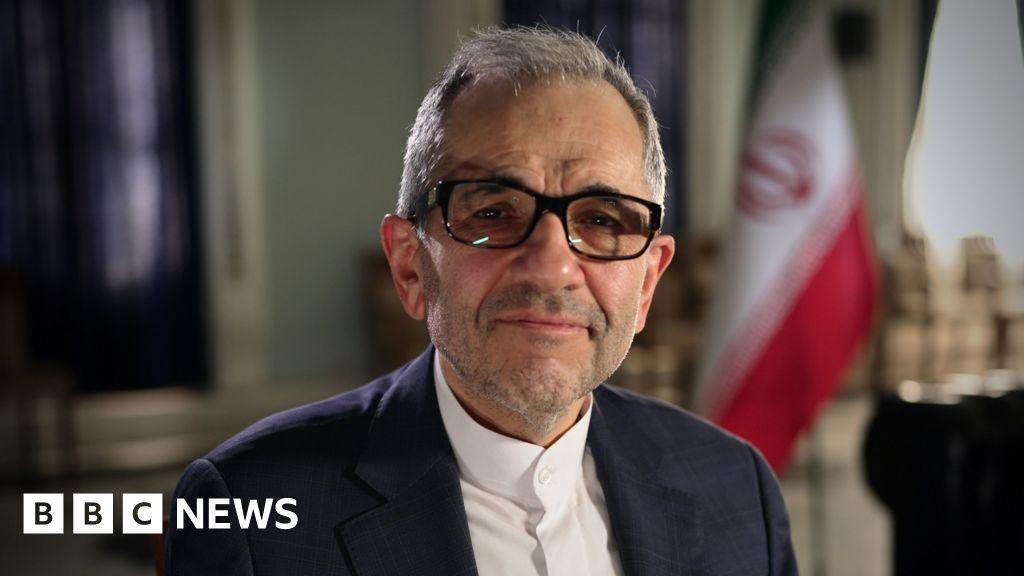
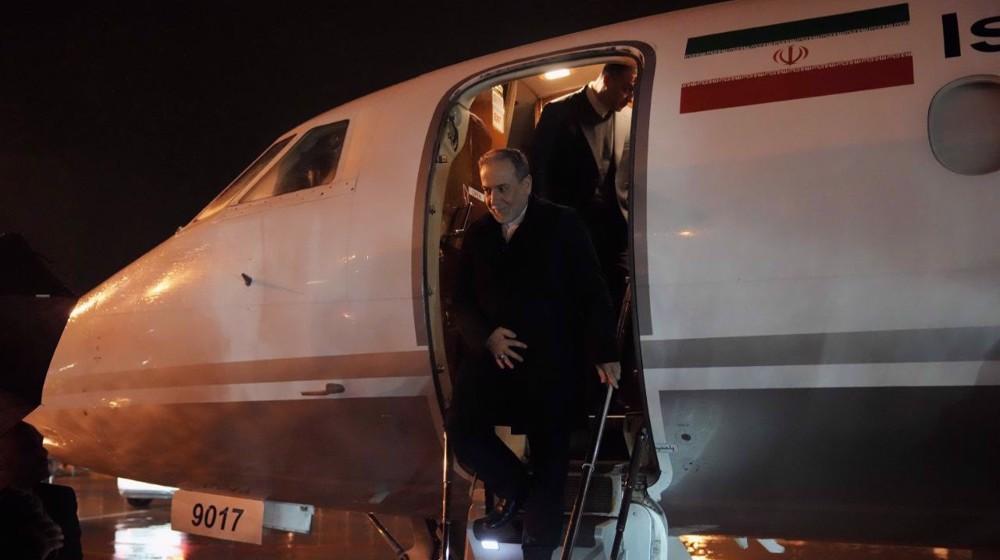
Abbas Araghchi, Iran’s deputy foreign minister and chief negotiator, arrived in Geneva to lead a second, Oman-mediated round of indirect talks with U.S. envoys aimed at reviving negotiations over Tehran’s nuclear program. Multiple accounts report he will meet Swiss and Omani counterparts and hold technical discussions with IAEA Director General Rafael Grossi as preparatory work for the talks.
“Abbas Araghchi has arrived in Geneva for a second round of mediated nuclear talks with the United States, aiming to ease tensions and ‘achieve a fair and equitable deal’ while rejecting ‘submission before threats.’”
The Geneva round follows an initial Muscat session earlier in February. Reports identify U.S. participants in the Geneva round as special envoy Steve Witkoff and other senior figures named in various outlets, underscoring the high diplomatic profile of the resumption.

Iran enrichment negotiations
Ahead of the talks Araghchi signalled limited flexibility on Iran’s near‑weapons‑grade uranium stocks. Iranian officials were reported to have floated options such as diluting 60%‑enriched uranium or accepting enhanced international oversight in return for sanctions relief. Several outlets describe Tehran seeking "high and rapid economic returns" and concrete sanctions relief as the price of any compromise on enrichment levels, while presenting these steps as conditional on U.S. "sincerity".
Missiles and regional talks
Araghchi and other Iranian officials have repeatedly insisted that Iran’s ballistic‑missile programme and regional proxy activities are not on the negotiating table. They have made that stance even as Washington seeks to broaden talks beyond purely nuclear limits. Multiple sources quote Iranian officials saying missiles and regional issues are off limits, while U.S. and Israeli leaders press for those topics to be addressed or conditioned in any deal.
“Iranian officials signaled limited willingness to compromise on some nuclear issues (for example, diluting 60% enriched uranium) but rejected zero domestic enrichment and said their missile programme is non‑negotiable.”
Unclear enriched uranium status
The IAEA and international reporting highlight a technical and verification sticking point: roughly 400–440 kg of 60%‑enriched uranium whose status has been unclear since inspectors last saw it in June after strikes on Iranian sites. The IAEA has pressed Tehran to explain the whereabouts of that material and to resume full inspections at Natanz, Fordow and Isfahan, while Iran says access to damaged sites requires special safety protocols. Some reporting includes IAEA warnings that the stockpile, if weaponized, could be sufficient for several bombs, while Iran stresses a civilian programme and conditional cooperation based on sanctions relief.
Diplomatic talks and tensions
All coverage places the diplomatic talks within a broader atmosphere of regional tension and military signalling. U.S. forces have bolstered naval presence, with reports citing a second aircraft carrier and additional destroyers. Iran’s Revolutionary Guards staged Strait of Hormuz drills and civil defence units held chemical-defence exercises.
“The U.S. has bolstered its naval presence in the region, ordering the carrier USS Gerald R. Ford to join the USS Abraham Lincoln and three guided‑missile destroyers already deployed.”
President Trump warned of consequences if negotiations fail. Reporting also highlights Iran’s economic demands — from aviation and mining to oil and gas — as part of Tehran’s negotiating objectives. Reporting also notes Israeli insistence, led by Prime Minister Benjamin Netanyahu, that any deal must remove enriched material and dismantle enrichment capability.