Iran23 May, 20263 min read
Iran’s Guidance Patrol Killed Mahsa (Jina) Amini, Sparking Ongoing Hijab Protests Across Iran
This article is an automated aggregation of coverage from news outlets. Our editorials offer in-depth analysis curated by the NewsCord team.
Mahsa Amini's death in custody sparked ongoing hijab protests. Women defy hijab rules by riding motorcycles in Tehran.
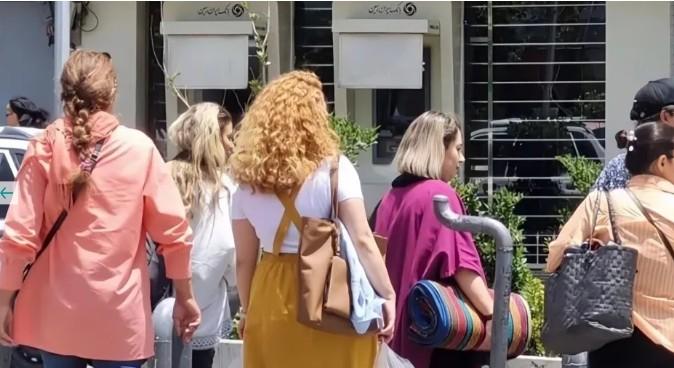
Hijab, pressure, and defiance
Three years after the killing of Mahsa (Jina) Amini in the custody of the Guidance Patrol, the protests and bloody crackdowns across Iran have continued to shape the Islamic Republic’s internal challenge, with ongoing civil disobedience by women who appear in public without the mandatory hijab. The article says the Iranian regime tried to force women to observe hijab through methods ranging from heavy fines and threats to restrict services such as buying subway tickets or blocking SIM cards, to immobilizing private cars and installing facial recognition cameras, but “none could stop the presence of unveiled women on the streets.” It adds that in Isfahan, men in families were even asked to prevent the presence of their wives and daughters on the streets without a scarf, and that the “Chastity and Hijab” law did not change anything.
The piece also describes a shift from street enforcement to the virtual space, saying Instagram accounts of young women who posted videos of singing or dancing without hijab were blocked and their posts removed. In the summer of 1404, it says the absence of Guidance Patrols in the squares and women who no longer even carry scarves “changed the face of many cities,” including a BBC message from Nahid that “Since the Mahsa revolution, the beauty of the cities has multiplied a thousandfold.”
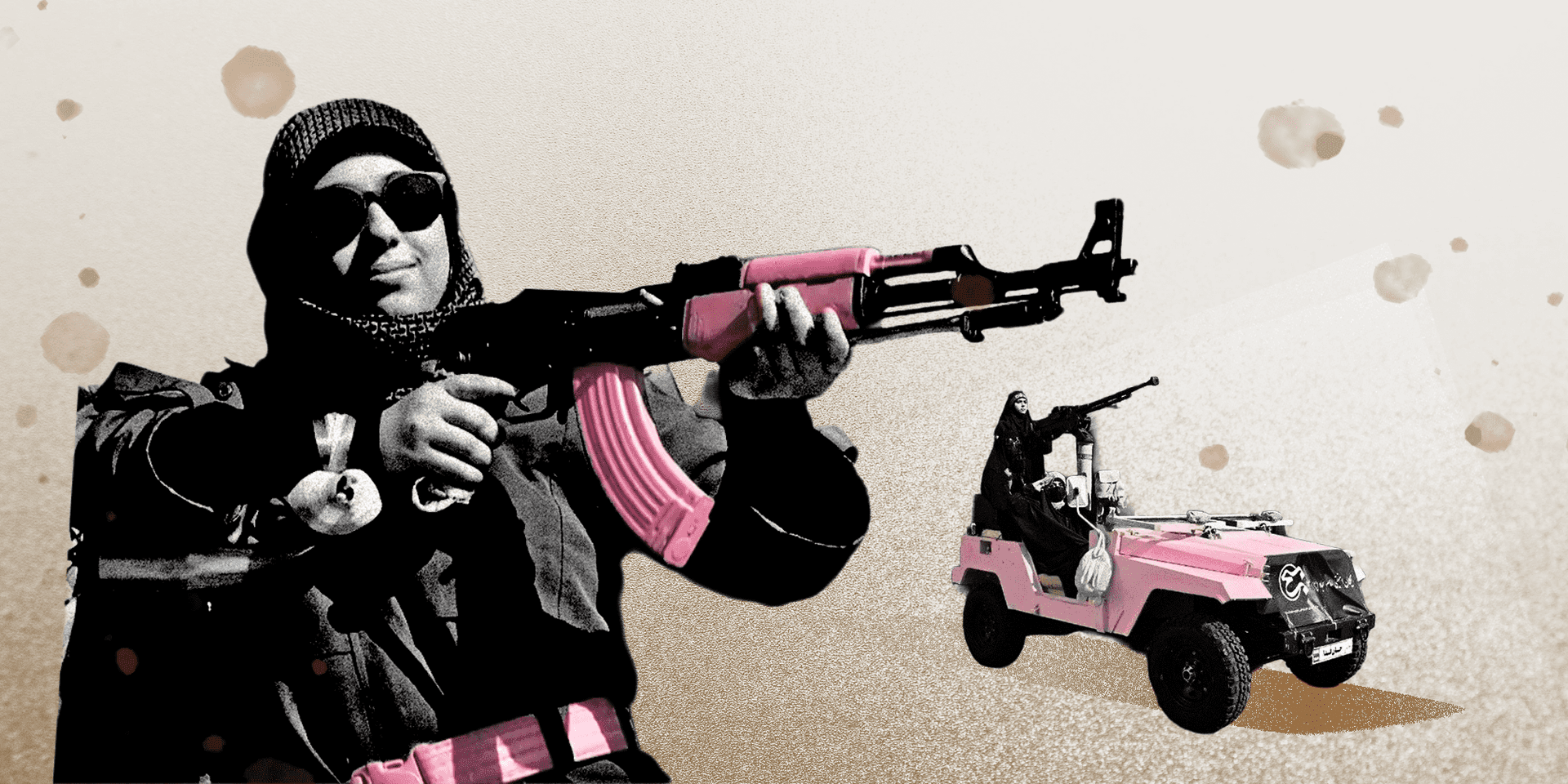
Motorcycles, licenses, and law
As debate over women motorcycling continues, Iranian media reported that the second session of the trial of Kulthum Akbari ended, and at her final defense she limited herself to two sentences: “I made a mistake; if I had known it would come to this, I wouldn't have done these things.” The same report says the Traffic Police emphasized that women riding motorcycles without a license is a “crime” and is not protected by law or insurance, while vice-chair of the Parliament's Article 90 Commission Musa Ghazanfari-Abadi said issuing motorcycle licenses for women is not legally prohibited but requires adherence to “religious and cultural considerations.” It also states that on Shahrivar 6, Kazem Delkhosh, deputy for legal affairs of the Presidency’s parliamentary administration, announced sending a bill to Parliament to amend Article 20 of the Driving Violations Law to enable issuing motorcycle licenses for women.
In parallel, the article from اعتمادآنلاین quotes a former deputy head of the Rahvar Police of Faraja, Colonel Aynollah Jahani, arguing that there is “no law or regulation prohibiting the issuance of motorcycle licenses to women,” and that the issue is a legal vacuum that must be addressed by the legislative branch. That same piece says Jahani argued that concerns about hijab while riding could be addressed because “both male and female motorcyclists must wear a helmet during riding,” and he said the word “men” in the proviso to Article 20 should be removed or “women” added.
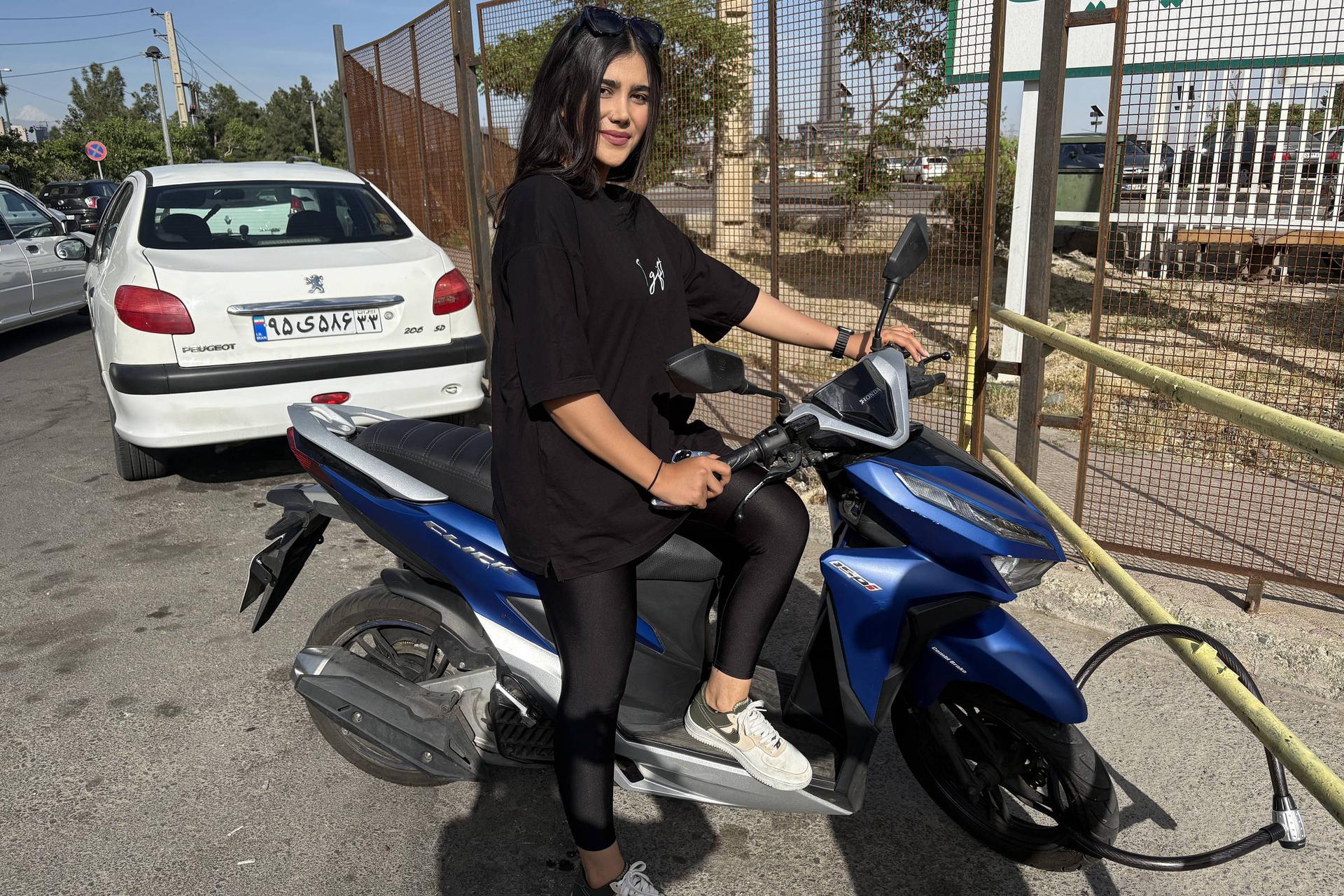
War-era social change and enforcement
Folha de S.Paulo describes women without veils and riding motorcycles multiplying in Tehran since the start of the war against Israel and the United States, saying the sequence of a young woman riding, passing a police officer, and waving has become common. It reports that until February women could not obtain a motorcycle license to ride motorcycles in the country, and that authorities considered women riding motorcycles “too exposed and that it would be anti-Islamic,” even as many took the risk. The article says that in February the government issued a measure officially authorizing the granting of motorcycle licenses to women, and it places the scene at Pardisan Park on May 15 in Tehran’s west where “most women did not wear hijab, although it remains mandatory by law.”
It also ties the acceleration of resistance to the protests that followed the death of Iranian Mahsa Amin in 2022, describing how security forces killed thousands of people in January and quoting Zeinab, a 19-year-old economics student, saying “I threw away all my hijabs after my friends were killed in the protests in January.” Folha adds that the Iranian Office for the Promotion of Virtue and Prevention of Vice warned women: “Take off your hijab in public, and you may face legal consequences,” and it concludes with Mahtab saying, “We don't have many options; we will have to return to wearing the veil if we are forced.”