Iran · 08 May, 2026 · 2 min read
Iranian Official Mazaher Hosseini Says Mojtaba Khamenei Is in Perfect Health After February Airstrikes
Mazaher Hosseini says Mojtaba Khamenei is in perfect health. Injuries reported as minor, including bruises on back and knee.
Severity of Mojtaba’s injuries after Feb 28 strikes.
8 of 9 outlets skipped it: he uses non-electronic communications and couriers..
CNN was read line by line by the Watchdog: 5.8. See the score →
18outlets compared
Same story, two versions
tap a side to read it in full
The Times of India
“serious facial injuries and serious wounds to one or both legs”Read the original ↗
Contradictory injury claims affect perceived continuity and governance capacity.
Minor injury claims
Iranian officials have moved to counter rumors about Mojtaba Khamenei’s health after speculation tied to February airstrikes, with one report saying the injury was minor and consisted of a small cut behind his ear. A senior Iranian official told Iranian media that medical examinations confirmed Mojtaba Khamenei’s condition was completely stable and that the injury did not require complex surgery.
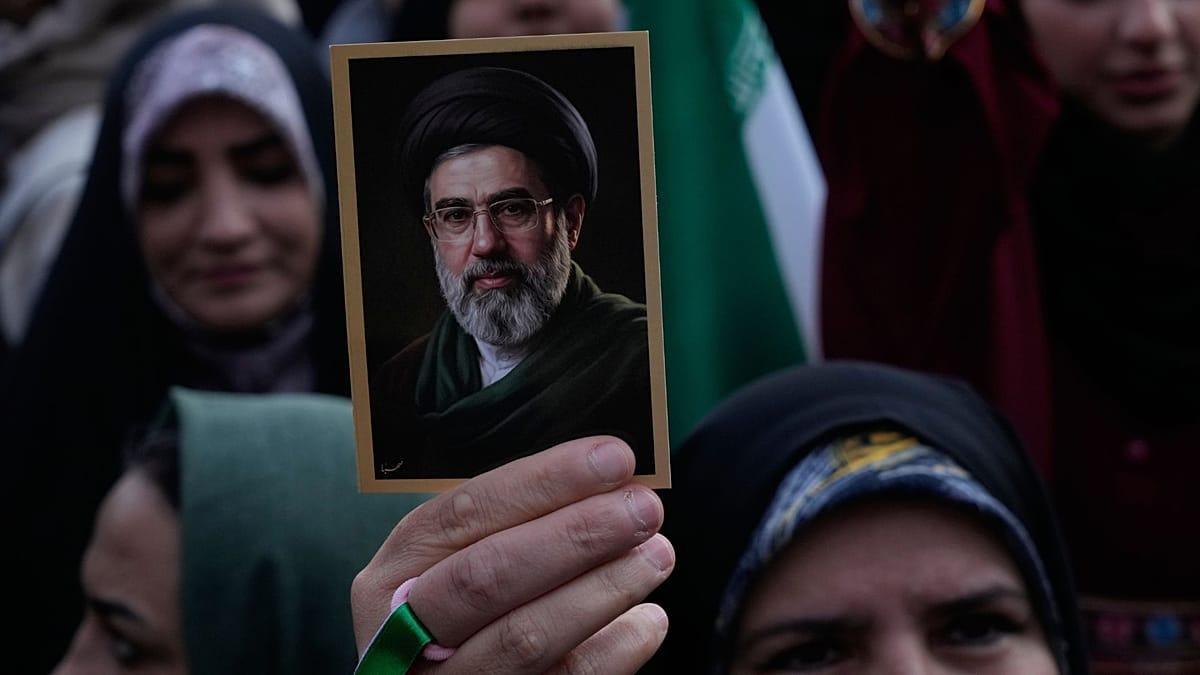
Kurdistan24 reported that Mazaher Hosseini, a senior official in the office of Iran's Supreme Leader, said Mojtaba Khamenei is in "perfect health" amid mounting speculation over injuries from February airstrikes. KThe Times of India also quoted Hosseini telling supporters that Khamenei was on the stairs when the missile struck and that "Thank God, he is in good health."T
Competing injury narratives
While Iranian officials described minor injuries, the Times of India said Reuters reported that Mojtaba Khamenei suffered severe facial injuries and serious wounds to one or both legs during the strike on the supreme leader’s compound in central Tehran.T
The Times of India also cited CNN reporting that US intelligence assessments had not visually confirmed Khamenei’s whereabouts since he assumed leadership and that he was avoiding electronic communication while undergoing medical treatment for burns and other injuries.T

Kurdistan24 said Hosseini rejected more severe assessments and told the crowd, "Thank God, his back has recovered these days. KGod willing, his kneecap will also heal very soon," while adding, "He is in perfect health."
The Jerusalem Post reported that Iran's President Masoud Pezeshkian announced on Thursday that he had met with Supreme Leader Mojtaba Khamenei and said about the meeting, “What struck me most during this meeting was the vision and the humble and sincere approach of the supreme leader of the Islamic Revolution,”
Negotiations and messaging
Iranian officials tied the health messaging to broader political and military developments, with the Reuters-linked framing in the Times of India describing Khamenei as mentally alert and participating in major state decisions through audio conferences. Kurdistan24 said Hosseini’s remarks were delivered in a video distributed by Fars News Agency and aimed to dispel rumors that Mojtaba Khamenei was severely disfigured or incapacitated during the same attack.K
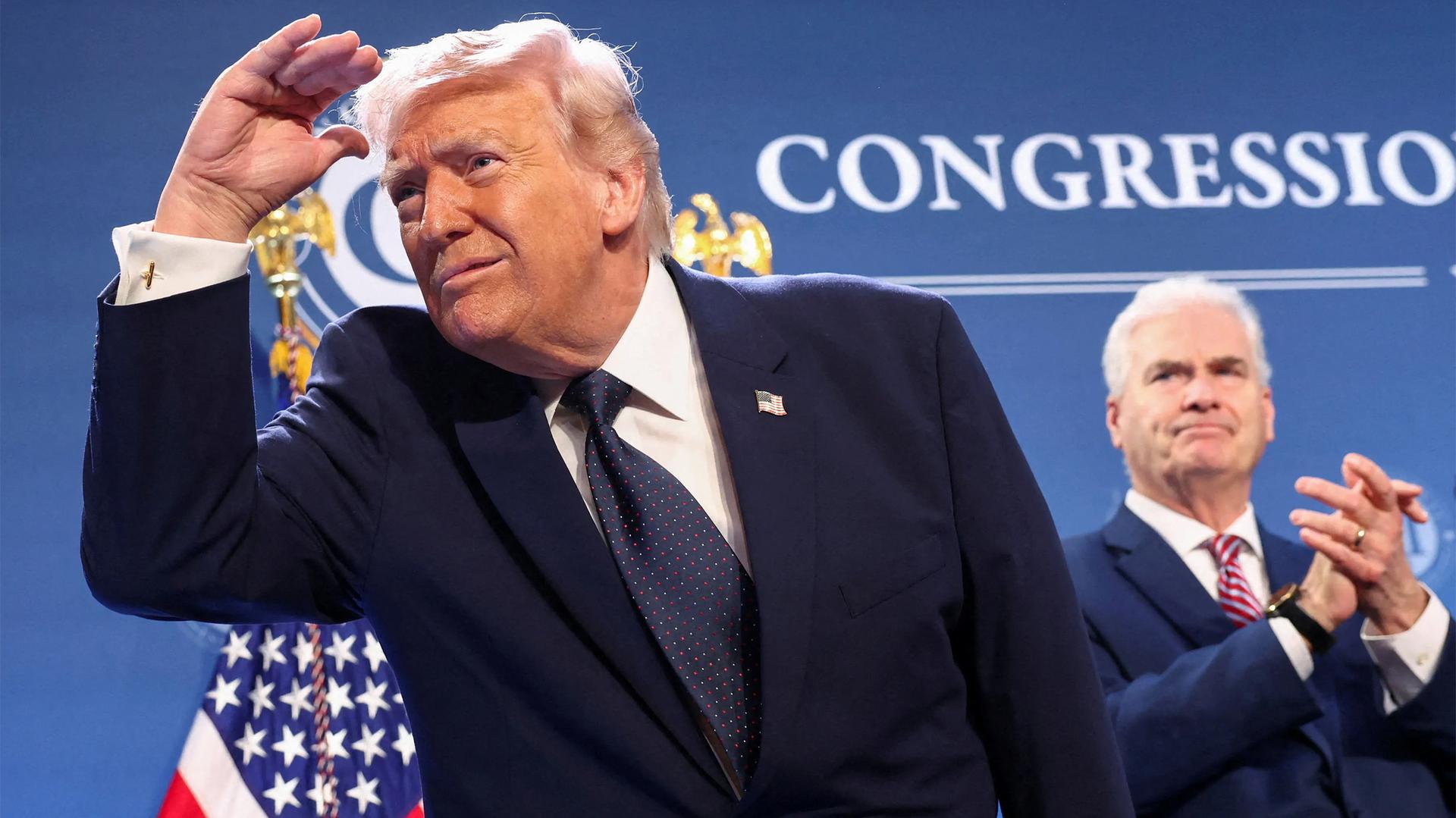
The Times of India reported that Donald Trump said on Friday the United States expected to receive a response from Iran regarding Washington’s proposal aimed at ending the ongoing West Asia conflict, adding, "We'll hear from them supposedly tonight,". TIn parallel, the Al-Jazeera Net report said Hosseini told an anti-war rally in Tehran that he was in the office on the day of the incident and that the enemy targeted a site about 30 meters away, while also saying Mojtaba Khamenei would speak to everyone "at the right time."