Iran’s IRGC Attacks Bahrain And Kuwait After U.S. Strikes, Threatens Complete Halt In Talks
Key Takeaways
- Iran's IRGC attacked Bahrain and Kuwait with drones and missiles after U.S. strikes.
- Iran threatened to halt all talks negotiating an end to the war.
- The incidents followed U.S. airstrikes on Iranian targets, raising fears of broader escalation.
Gulf strikes and halted talks
Iran launched drone and missile attacks targeting Bahrain and Kuwait on Sunday after new U.S. airstrikes against the Islamic Republic, and Tehran threatened a “complete halt” in negotiations to end the war if Washington continues its attacks.
The AP reported that Iranian Foreign Minister Abbas Araghchi said, “Any attempt to establish new or separate arrangements from those currently being carried out by the Islamic Republic of Iran will only lead to further complications, delay the reopening of the Strait of Hormuz and increase the level of tension,” as the Strait of Hormuz dispute intensified.

The AP also said the multinational maritime body overseen by the U.S. Navy would expand a route near Oman for inbound and outbound traffic, while Iran’s Revolutionary Guard claimed responsibility for the attacks in Bahrain and Kuwait.
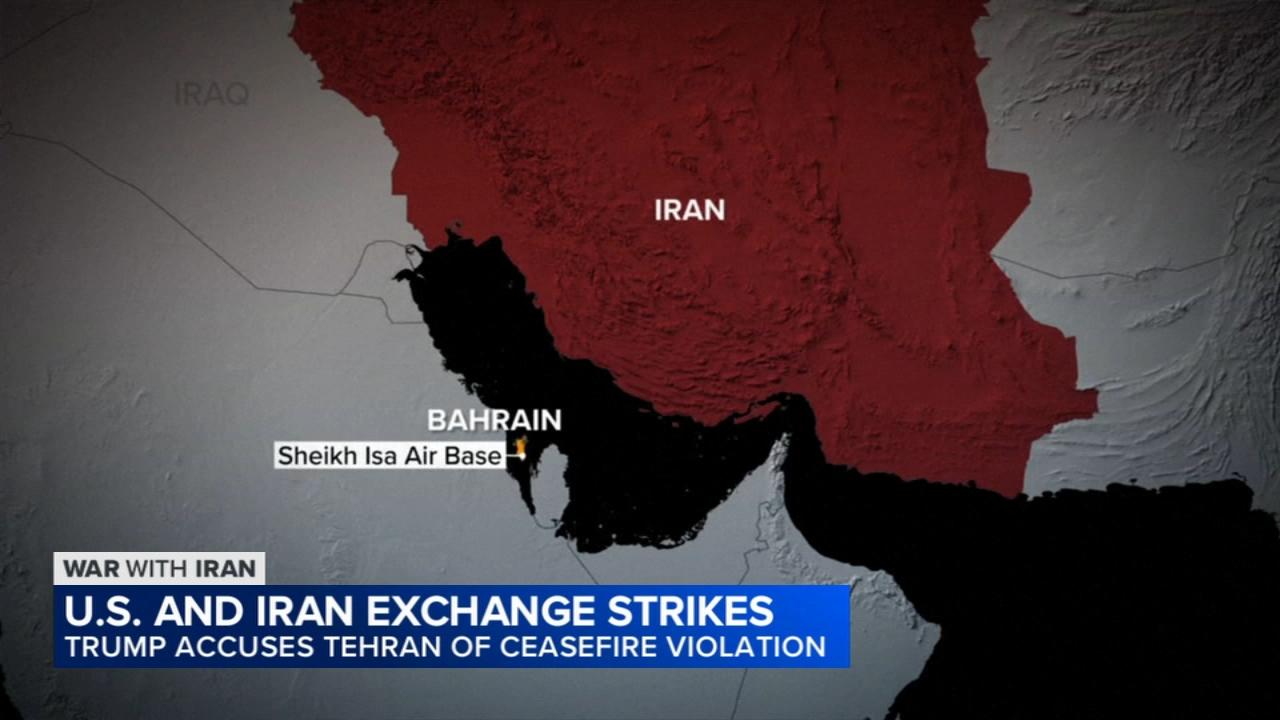
Kuwait said air defenses intercepted Iranian drones and two missiles just after the U.S. strikes, and Bahrain said the Iranian strikes damaged a residential building near the international airport with no one killed.
The Hill reported that Iran’s Islamic Revolutionary Guard Corps accused the U.S. of violating the ceasefire agreed to in the recently signed memorandum of understanding (MOU), and said any more U.S. strikes “will result in the complete halt of all diplomatic processes.”
Officials trade accusations
In Washington’s framing, President Donald Trump accused Iran of violating the deal and warned of a point where the U.S. may “be forced to militarily complete the job,” adding, “If that happens, the Islamic Republic of Iran will no longer exist!”
The Guardian echoed the same threat, saying Trump posted on social media, “If that happens, the Islamic Republic of Iran will no longer exist!” as the latest violence undermined the interim peace agreement.
Iran’s Foreign Minister Abbas Araghchi reiterated Tehran’s position that it alone must govern the strait, telling reporters in Baghdad, “Any interference in this matter, any attempt to establish new or separate arrangements from those currently being carried out by the Islamic Republic of Iran, will only lead to further complications, delay the reopening of the Strait of Hormuz, and increase the level of tension.”
The AP said the U.S. military struck Iranian military “surveillance infrastructure, communication systems, air defense sites, drone storage facilities and minelayer capabilities” following an attack on a ship on Saturday, while CNN reported the exchange of fire tested the initial U.S.-Iran agreement that was supposed to halt hostilities during 60 days of technical negotiations.
NPR added that Kuwait said its air defenses intercepted two Iranian ballistic missiles and that there were no reports of injuries or damage, while Bahrain’s Interior Ministry said Iranian munitions hit a residential building near the international airport and no one was killed.
Strait of Hormuz stakes
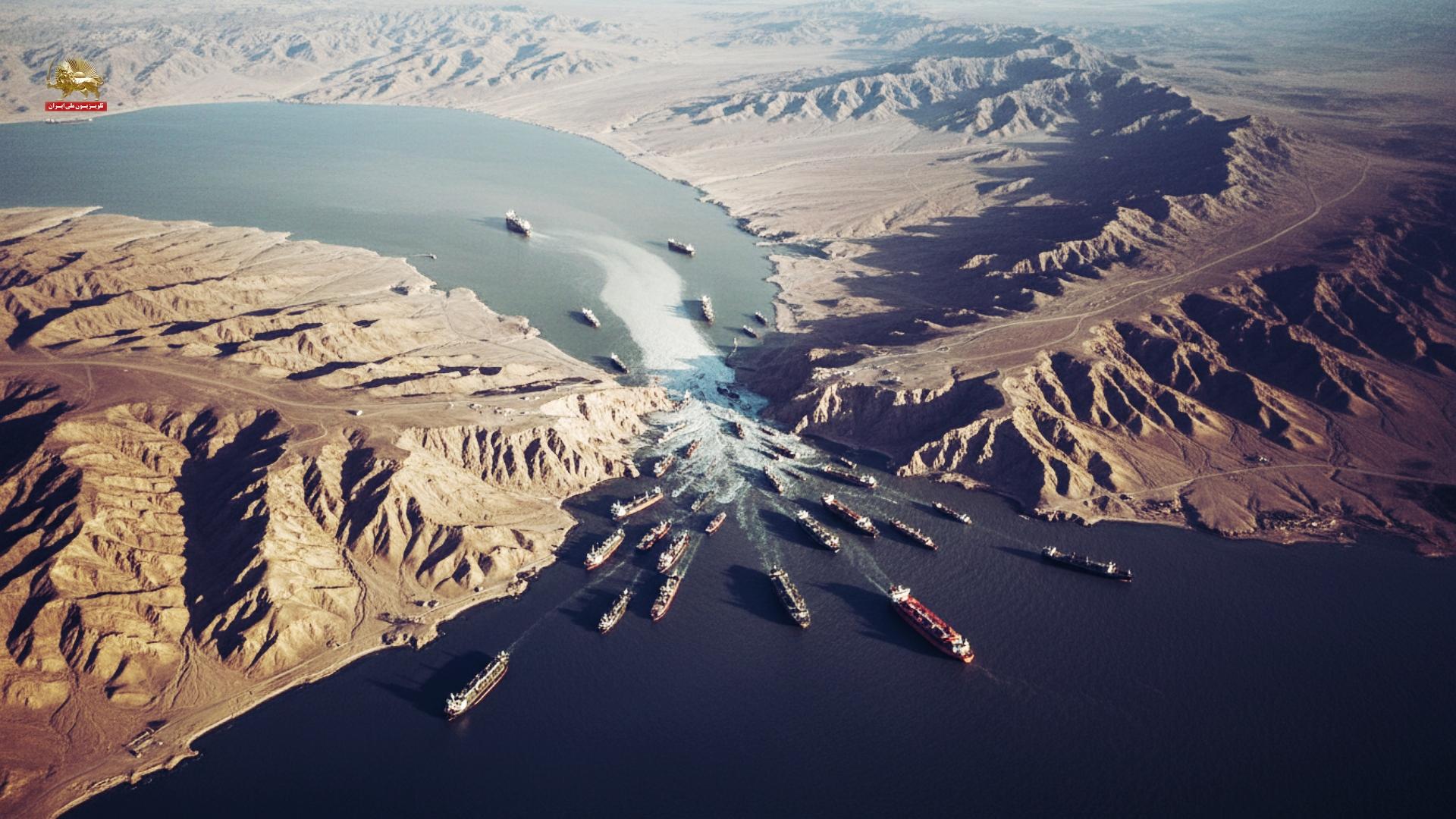
The dispute over reopening the Strait of Hormuz without Iran’s direct oversight has become central to the negotiations, with the AP saying efforts to reopen the Strait of Hormuz without Iran’s oversight has sparked days of crossfire.
The AP reported that the multinational maritime body overseen by the U.S. Navy said it would expand a route near Oman and that “U.S.-assisted commercial transits continued uninterrupted,” adding that it counted 89 such transits below the historical average of 138 vessels a day.
CNN said the interim agreement is also not being reflected in the crucial waterway, leaving commercial vessel operators and their crews facing confusion and danger, while the Guardian described the strategically critical waterway as having carried “a fifth of the world’s oil and liquid gas supplies” before the war.
In Lebanon, NPR said Hezbollah killed an Israeli soldier in Deir Siryan village in southern Lebanon, and Israel’s military said it responded by killing the man responsible, as the ceasefire signed earlier this month did not include Iran or Hezbollah.
The Hill warned that the strikes threatened the fragile ceasefire put in place after earlier this month’s U.S.-Iran MOU, which the outlet said was signed to extend the pause on all hostilities for 60 days and determine the future of Iran’s nuclear program, while Iran maintained authority over the strait.
More on Iran
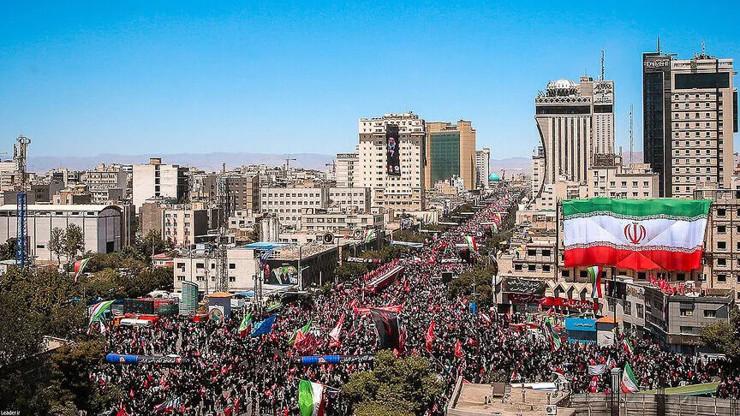
Israeli Strike Kills Ayatollah Ali Khamenei, Buried at Imam Reza Shrine in Mashhad
19 sources compared
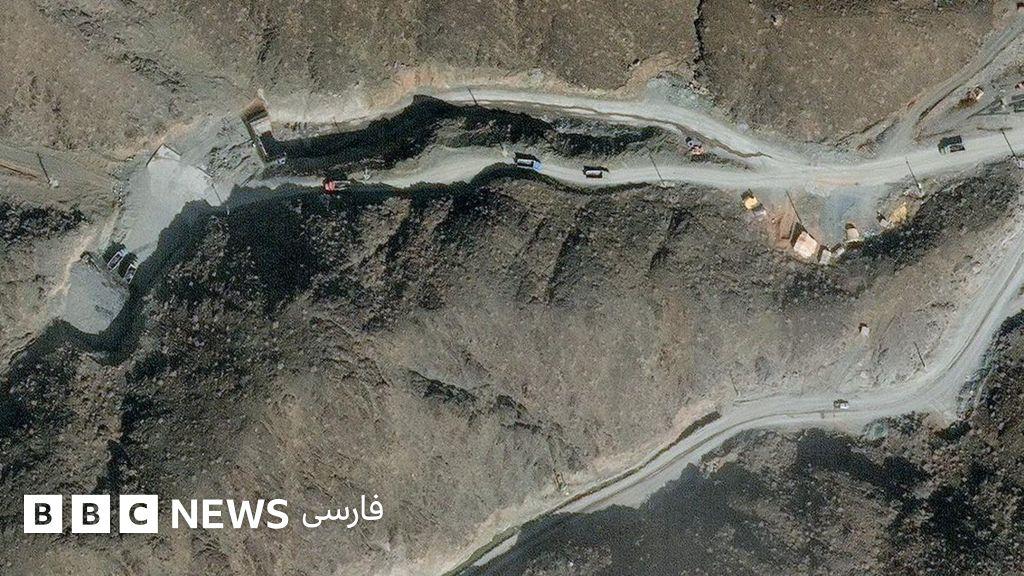
Iran Attempts To Restore Nuclear Sites Damaged In US And Israel Strikes, CNN Satellite Images Show
15 sources compared
Abbas Araghchi and Prince Faisal Bin Farhan Discuss Regional Developments After US Attacks
11 sources compared

Trump Says U.S. Agreed to Continue Iran Talks, Ceasefire Is Over
19 sources compared