Gaza Genocide · 06 August, 2026 · 3 min read
Iran’s IRGC Fires at Hostile Targets Near Strait of Hormuz, Explosions Reported on Qeshm Island
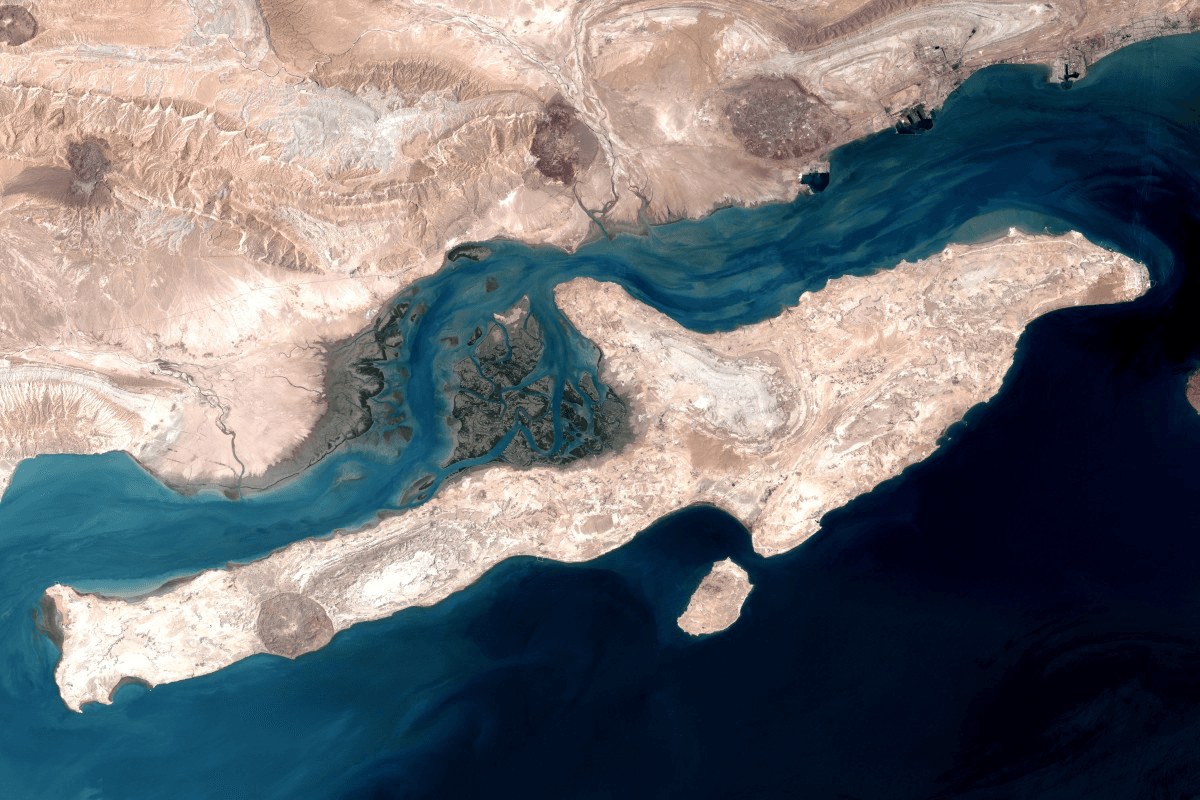
Two explosions heard on Qeshm Island during operations against hostile targets at Hormuz entrance. Tasnim News Agency, citing Iranian sources, reported the incidents.
12 outlets, one story, no spin found.
11 of 12 outlets skipped it: oil prices rise on reports Iran attacked targets in the Hormuz Strait.
12outlets compared
Qeshm blasts and claims
Fresh explosions were reported on Iran’s strategically important Qeshm Island, raising questions over possible renewed military activity near the Strait of Hormuz. Iran’s IRGC-affiliated Tasnim News Agency said the blasts were linked to the interception of "hostile targets" near the entrance to the crucial waterway. Local authorities said no strike had been confirmed and that an investigation was underway, while a senior Hormozgan provincial official said no strike or other incident had been reported on either Qeshm Island or in Bandar Abbas.
The Statesman reported that two explosions were heard on Qeshm Island late Thursday after Iranian forces confronted what semi-official media described as “hostile enemy targets” near the entrance to the Strait of Hormuz, and said the cause of the explosions was not immediately established. The Statesman added that the explosions were heard at around 9.40 pm local time on August 6, according to Tasnim.
Oman talks and Hormuz terms
The Qeshm explosions came as reports said Tehran and Oman were moving toward an arrangement to reopen the waterway for 60 days, with different routes proposed for vessels entering and leaving the strait. The Statesman said Tehran and Muscat were separately reported to have agreed on the outline of a 60-day navigation arrangement, and that under the reported plan ships entering the strait would travel along a route closer to Iran while outgoing vessels would use a passage nearer Oman. The Statesman also reported that the proposed arrangement still required approval from Iran’s Supreme National Security Council, with an announcement potentially following within days.
The Straits Times said oil extended gains on reports that Iran had attacked “hostile targets” in the Strait of Hormuz, and it cited a proposed Iran-Oman agreement under which Tehran intended to also ban Israeli ships from the strait and require compensation from hostile countries to use it. In contrast, Elnashra quoted a Washington Post account of an American official saying the Strait of Hormuz is an international waterway and no party controls its passages or the possibility of passing through them.
War footing and next risks
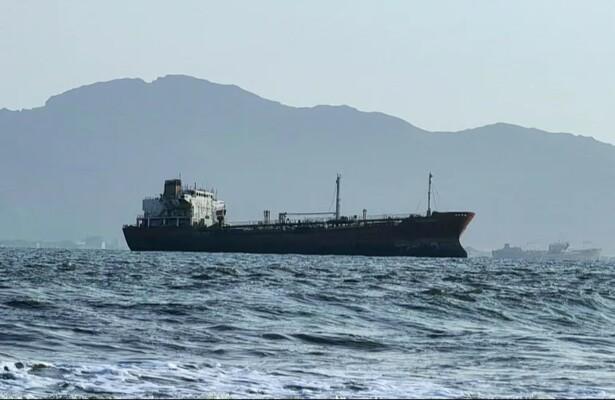
The Statesman linked approval of the arrangement to Iran and the United States returning to their existing memorandum of understanding and reactivating Paragraph 5 dealing with commercial shipping and safe passage through the strait for a 60-day period without charge. The Straits Times said the conflict appeared to be widening, with Iran-backed Houthis saying they conducted a “large-scale” attack against forces from Yemen’s Saudi-aligned government, after earlier claims of attacking a Saudi tanker in the Gulf of Aden and threatening shipping in the northern Red Sea. Modern Ghana’s reposted Al Jazeera segment said tensions remained high around the Strait of Hormuz following a brief period of de-escalation between Iran and the United States, while Iran’s parliament discussed a draft bill to tighten Tehran’s control over the strategic waterway.
In the same reporting stream, Iran’s parliament speaker Mohammad Bagher Ghalibaf accused the US of "theater diplomacy", saying Washington was switching between military threats and calls for negotiations. The Times of India also noted that Qeshm Island has been at the center of previous U.S. military operations due to its strategic location overlooking one of the world’s busiest oil shipping routes, underscoring why the Strait of Hormuz remains central to the dispute.