
Iran Seizes Greek-Owned Epaminondas and Euphoria in Strait of Hormuz After Trump Ceasefire Extension
Key Takeaways
- Iran seized two ships in the Strait of Hormuz and escorted them to its coast.
- Seizures followed Trump's indefinite extension of the ceasefire.
- Ships named Epaminondas and MSC Francesca were seized.
Seizures After Ceasefire
Iran said it seized two ships in the Strait of Hormuz after vessels came under fire, tightening its grip on the strategic waterway hours after President Donald Trump extended a ceasefire with Iran.
“Iran responded to the US capture of one of its tankers close to the Strait of Hormuz earlier this week by capturing two foreign commercial vessels on Wednesday and moving them to its coast”
The BBC reported that Iran’s navy said it seized two cargo ships and took them to the country’s coast after reports that three vessels came under fire from Iranian forces.

BBC Verify said the first ship targeted on Wednesday morning was a Greek-owned vessel called the Epaminondas, and the IRGC-affiliated outlet Fars News Agency said the Revolutionary Guard was behind the attacks.
The BBC also reported that Nour News, affiliated with Iran’s Supreme National Security Council, said the IRGC opened fire on the first ship, which it called the Epaminodes, after it had "ignored the warnings of the Iranian armed forces".
The BBC added that a second ship named Euphoria was stopped after being "fired upon", followed by the targeting of a third vessel, the MSC-Francesca, according to BBC Verify.
The BBC further reported that IRGC Naval Command said on social media that it and MSC-Francesca had been seized after endangering maritime security "by operating without the necessary permits and tampering with navigation systems".
The Washington Post described the seizures as involving the MSC-Francesca and the Epaminondas, saying the ships seized by Iran reported coming under attack earlier Wednesday.
In parallel, CNBC said ship traffic through the Strait of Hormuz remained very light on Wednesday, the first day since Trump extended the ceasefire, and that Iran was still trying to control ship traffic in the sea lane.
Escalation Timeline and Motives
The seizures and gunfire incidents unfolded against a fast-moving sequence of ceasefire moves, naval blockade actions, and stalled diplomacy.
The BBC reported that the interceptions came hours after US President Donald Trump extended a two-week ceasefire with Iran until talks between the two nations come to a conclusion, with the initial truce due to expire on Wednesday.

The BBC said Trump extended the ceasefire after being asked to hold off on attacking Iran by Pakistan, which has been acting as a mediator, while also stating that a US blockade of Iran's ports would continue.
The BBC described Iran’s lead negotiator as yet to comment on the truce extension, but it quoted Mahdi Mohammadi, an adviser to the Iranian parliament speaker, saying the move by the US president is "certainly a ploy to buy time for a surprise strike".
Mohammadi wrote in Persian on X that the continuation of Trump's "siege" is "no different from bombardment" and must be "met with a military response".
The BBC also laid out earlier steps: on 8 April Iran and the US agreed to a conditional truce, and on 13 April the US started a naval blockade of maritime traffic entering and leaving Iranian ports.
CNBC added that the ceasefire extension did not reopen the strait, saying "Trump's decision to unilaterally extend the truce has not opened the strait" and that the U.S. maintains its blockade of Tehran's ports and vessels.
The Washington Post described how a U.S. delegation led by Vice President JD Vance and a high-level team of Iranian officials were set to travel to Islamabad for a second round of face-to-face negotiations, but the Iranians informed mediators they would not attend so long as the blockade of the strait continues.
Competing Statements and Warnings
Iran and the United States framed the Strait of Hormuz incidents through sharply different lenses, with Iran describing its actions as enforcement tied to maritime violations and the U.S. portraying its blockade as ongoing.
The BBC reported that IRGC Naval Command said on social media that it and MSC-Francesca had been seized after endangering maritime security "by operating without the necessary permits and tampering with navigation systems" and that the navy was "monitoring" movements through the strait and would take firm action against "violators".
The BBC also said the IRGC did not mention the Panama-flagged Euphoria in its statement, while UKMTO said it was "aware of high levels of activity in the SoH [Strait of Hormuz] area and encourages vessels to report any suspicious activity".
CNBC said the Iranian Revolutionary Guard said it seized two container ships as they tried to cross the strait "without authorization," citing Tasnim, and it described UKMTO warning ships that there are "high levels of activity" in the strait.
In a separate Reuters account, yalibnan reported that Trump called off attacks indefinitely with no sign of peace talks restarting, while Iran’s semi-official Tasnim said the Revolutionary Guards had seized two vessels for maritime violations and escorted them to Iranian shores.
The Washington Post quoted Iran’s Foreign Ministry spokesman Esmaeil Baqaei saying, "Up to this moment, no decision has been made regarding participation in the negotiations," and it said Baqaei linked the refusal to "contradictory" messages from the Trump administration.
Time Magazine quoted Mahdi Mohammadi arguing, "Trump's cease-fire extension means nothing. The losing side cannot dictate terms," and it also quoted him saying, "Moreover, Trump's cease-fire extension is certainly a ploy to buy time for a surprise strike."
On the U.S. side, Politico included Trump’s statement on Truth Social directing that the U.S. would continue the blockade, writing, "I have therefore directed our Military to continue the Blockade and, in all other respects, remain ready and able".
Coverage Differences and Framing
The same Strait of Hormuz events were framed differently across outlets, especially regarding what the seizures signaled and how the ceasefire extension was interpreted.
The BBC emphasized the sequence of attacks and seizures, naming the Epaminondas, Euphoria, and MSC-Francesca, and it reported that Greece’s Foreign Minister Giorgos Gerapetritis later said he could not confirm that the Epaminondas had been detained.
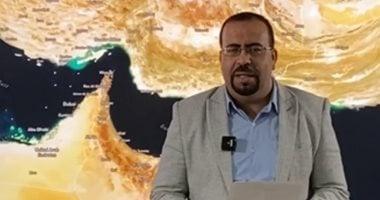
CNBC, by contrast, focused on the operational impact on shipping, saying traffic remained very light and that "Traffic is way below normal levels before the war when more than 100 ships crossed the strait daily."
The Washington Post framed the seizures as a "serious escalation" in a waterway that had become a major stumbling block in negotiations, and it described how Iranian officials told Pakistani mediators they would not attend talks while the blockade continued.
Time Magazine treated the adviser Mahdi Mohammadi’s reaction as central to the meaning of the ceasefire extension, quoting him saying, "Trump's cease-fire extension means nothing" and also highlighting that Tasnim reported Iran’s negotiation team sees "no prospect of participating in the negotiations."
Internazionale, also using Reuters reporting, described the seizures as tightening Iran’s grip after Trump called off attacks, and it added that the Revolutionary Guards warned that disruption to order and safety in the strait would be considered a "red line."
The Korea Times and yalibnan both stressed that it was the first time Iran had seized ships since the beginning of the war at the end of February, while yalibnan also described Pakistan’s mediation efforts and quoted a Pakistani official saying, "We had prepared everything. We were all prepared for the talks, the stage was set."
belganewsagency.eu framed the situation as a shift toward economic warfare, saying both sides appear to have shifted from direct military confrontation to economic warfare after Trump’s extension, and it claimed Trump said Iran is "collapsing financially," losing 500 million dollars per day as a result of the blockade.
Stakes and What Comes Next
The sources portray the Strait of Hormuz as a chokepoint where maritime enforcement, diplomacy, and energy markets collide, with consequences extending beyond shipping.
CNBC said traffic was way below normal levels and cited that "About 20% of the world's crude supplies passed through the strait before the war," while it also said it will take until July for oil flows to reach up to 90% of prewar levels and up to another two months for barrels to arrive at refineries around the world for processing into products, according to Rystad Energy.

The Washington Post described the seizures as occurring as battle for control of the vital waterway emerged as a major stumbling block in negotiations to end the U.S.-Israeli war against Iran, and it reported that the Iranians informed mediators they would not attend so long as the U.S. blockade of the strait continues.
Reuters reporting in Internazionale said Iran considers the blockade an act of war and has said that as long as it continues it will not lift its closure of the strait, which has caused a global energy crisis.
yalibnan added that Iran considers the U.S. blockade an act of war and has said it will not lift its closure of the strait as long as the U.S. blockade continues, and it described the global energy crisis tied to the closure.
Al Jazeera described Iran’s response to the U.S. capture of Touska by capturing two foreign commercial vessels and said Iranian officials were now discussing charges and transit fees for vessels using the route.
The BBC reported that the navy was "monitoring" movements through the strait and would take firm action against "violators," while UKMTO said it was aware of high levels of activity and encouraged vessels to report suspicious activity.
Politico said the seizures underscore how the status of the Strait of Hormuz may yet dictate peace talks, and it described Trump’s extension as indefinite while the blockade remains.
More on Iran

Iran Fires On Three Ships In Strait Of Hormuz, Seizes Two As U.S. Extends Ceasefire
21 sources compared

Iran’s IRGC Navy Seizes Two Ships in Strait of Hormuz After Trump Extends Ceasefire
59 sources compared
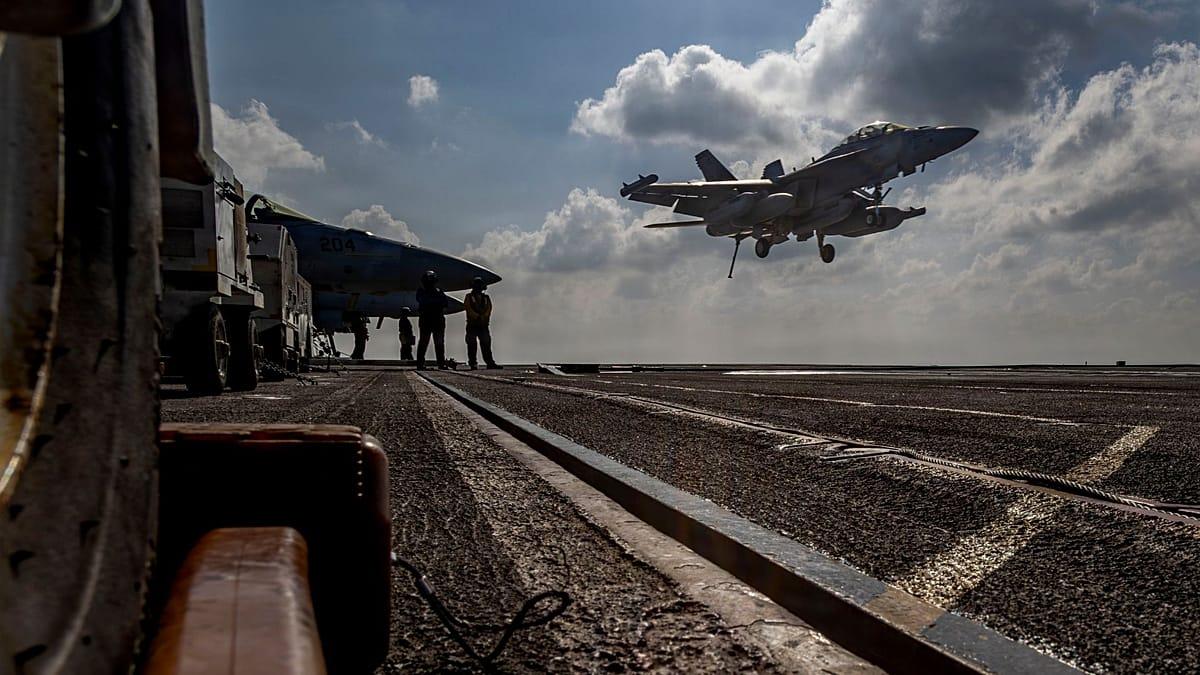
U.S.-Iran Negotiations In Doubt As Ceasefire Timeline Remains Unclear
29 sources compared
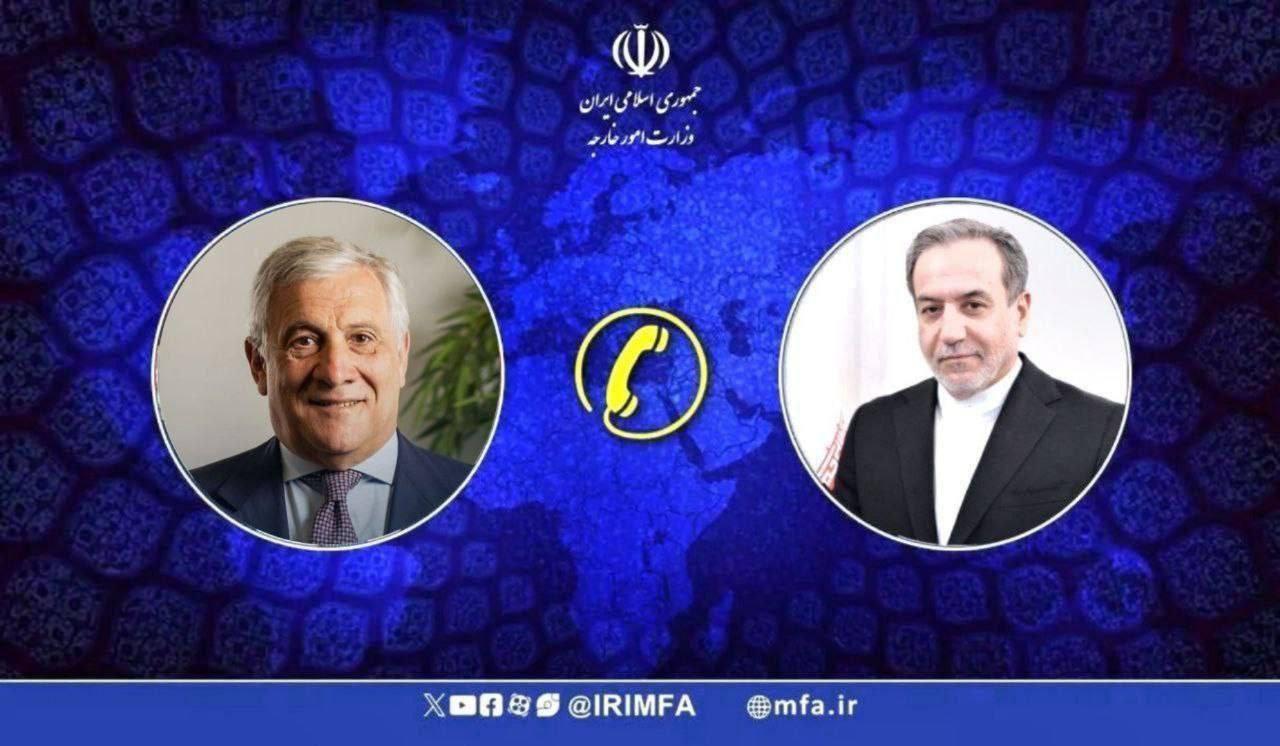
Abbas Araghchi Says US Violations Drove Strait of Hormuz Crisis After Iran Seized Two Ships
12 sources compared