
Iran’s IRGC Seizes Epaminodes and MSC-Francesca in Strait of Hormuz After Trump Ceasefire Extension
Key Takeaways
- IRGC seized two ships in Strait of Hormuz and towed them to Iran.
- The action followed Trump's ceasefire extension and continuation of a U.S. blockade.
- Iranian officials condemned the U.S. seizure as illegal and violation of ceasefire.
Seizures After Ceasefire Extension
Iran captured two foreign commercial vessels in the Strait of Hormuz and moved them to its coast in an escalation that came “hours after United States President Donald Trump said he would extend a ceasefire with Tehran,” Al Jazeera reported.
Al Jazeera said Iran’s Islamic Revolutionary Guard Corps (IRGC) stated the vessels “had violated maritime regulations and entered the strategic waterway without coordination,” according to Iranian state media.

The BBC reported that Iran’s navy seized two cargo ships in the Strait of Hormuz and took them to the country’s coast after reports that “three vessels came under fire from Iranian forces.”
The BBC identified the seized ships as the Epaminodes and MSC-Francesca, and said the IRGC Naval Command posted that the two seized vessels had “endangered maritime security by operating without the necessary permits and tampering with navigation systems.”
The BBC also reported that the statement warned the navy was “monitoring” movements through the strait and vowed “firm” action against the “violators.”
In parallel, NPR described the same Wednesday sequence as Iran firing on three ships in the Strait of Hormuz and seizing two, while the U.S. blockade continued amid the ceasefire.
The BBC added that the captured vessels appeared to have been part of a larger convoy belonging to MSC, and that “Four other vessels in the convoy have since crossed the strait.”
Incident Timeline and Claims
The Wednesday escalation followed a prior incident in which an Iranian gunboat fired on a container vessel near Oman, according to the United Kingdom Maritime Trade Operations (UKMTO) centre, Al Jazeera reported.
Al Jazeera said the British maritime monitoring agency reported that the ship’s captain told UKMTO that it had been approached by an IRGC vessel before shots were fired, and that “[It] has caused heavy damage to the bridge. No fires or environmental impact reported,” UKMTO added.

NPR similarly described how the first ship was attacked and damaged by Iran’s paramilitary Revolutionary Guard, and said UKMTO reported that “the Master of a Container Ship reported that the vessel was approached by 1 IRGC gun boat.”
NPR added that the center said no warning was given and that it “then fired upon the vessel which has caused heavy damage to the bridge.”
BBC Verify, as cited by the BBC, said the IRGC opened fire on the first ship, the Epaminodes, after it had “ignored the warnings of the Iranian armed forces,” and then stopped a second ship named Euphoria after being “fired upon.”
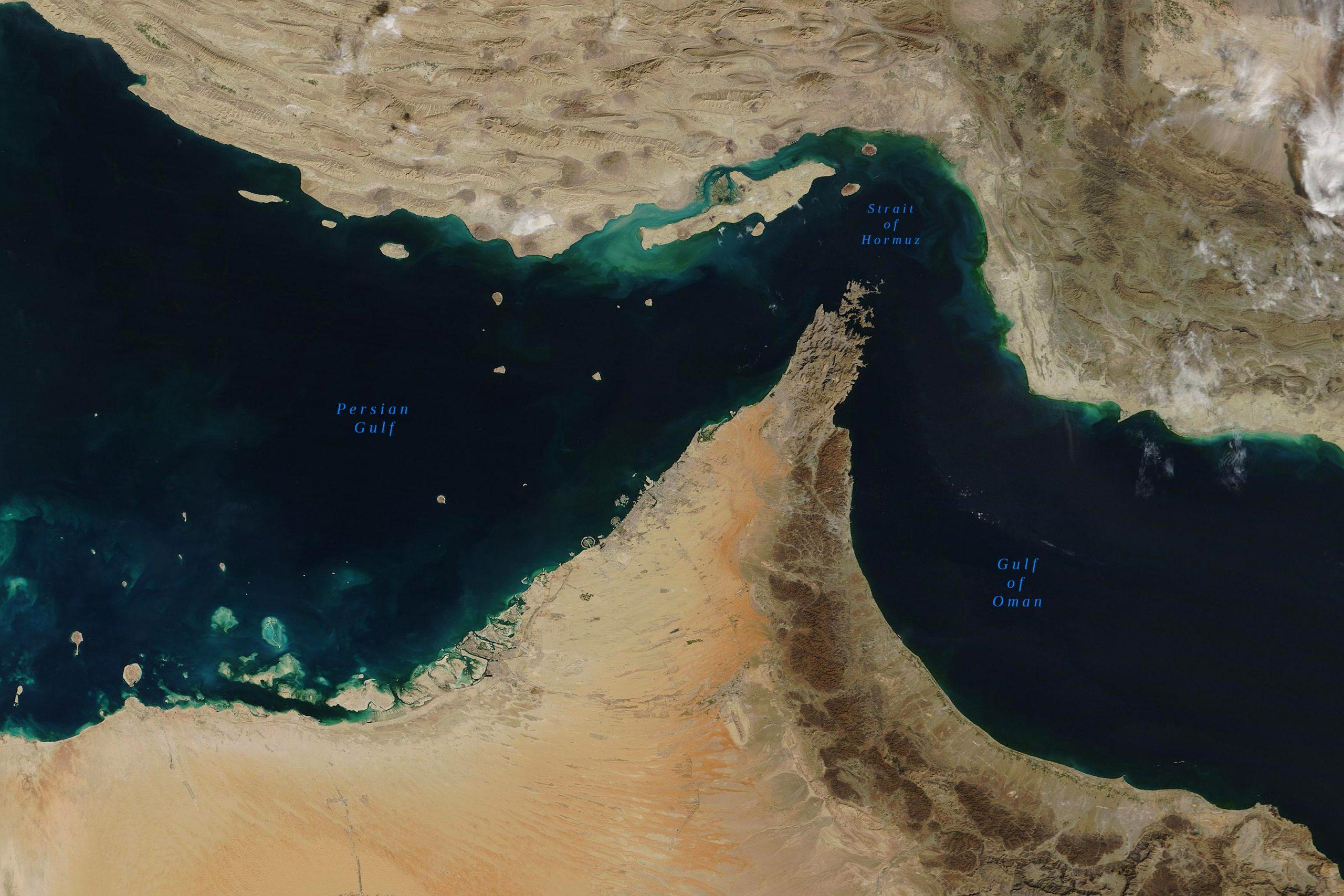
The BBC also reported that a third vessel, the MSC-Francesca, was targeted about six nautical miles off the coast of Iran while heading south out of the strait and into the Gulf of Oman, and that Vanguard told BBC Verify the ship was “hailed by the IRGC and "instructed to drop anchor".”
Across outlets, the identities of the ships and the sequence of targeting were tied to Iranian and maritime-monitoring claims: Al Jazeera said Iran moved two captured vessels to its coast, while the BBC said the statement did not mention the ship Euphoria.
Trump, Tehran, and Negotiation Signals
The seizures and attacks unfolded against the backdrop of Trump’s decision to extend a ceasefire with Tehran, which multiple outlets described as shifting the immediate negotiation posture.
Al Jazeera said the escalation came “hours after United States President Donald Trump said he would extend a ceasefire with Tehran,” and it reported that Trump’s decision followed requests from Pakistan’s army chief, Asim Munir, and Prime Minister Shehbaz Sharif.
Al Jazeera quoted Trump’s Truth Social message that the decision was made because Iran’s government was “seriously fractured” and needed time to present a unified position, writing: “We have been asked to hold the Attack on the Country of Iran until such time as their leaders and representatives can come up with a unified proposal.”
Al Jazeera added that Trump also said the U.S. naval blockade of Iranian ports would remain and that the military was ordered to stay “ready and able.”
BBC reported that the interceptions came “hours after US President Donald Trump extended a two-week ceasefire with Iran until talks between the two nations come to a conclusion,” and it described Trump’s framing that the Islamic republic was “collapsing financially” due to the blockade of Hormuz.
BBC also reported that Mahdi Mohammadi, an adviser to the Iranian parliament speaker, said the move by the U.S. president is “certainly a ploy to buy time for a surprise strike,” and he wrote that the continuation of Trump’s “siege” is “no different from bombardment” and must be “met with a military response.”
Al Jazeera’s Tohid Asadi said Iranian officials were sending “mixed messages” over the ceasefire and negotiations, quoting him that “Tehran is saying they won’t negotiate under imposed terms and conditions.”
Competing Frames and Numbers
The outlets diverged in how they framed the same core events and in how they described the broader implications for diplomacy and shipping.
Al Jazeera emphasized Iranian control and authority over maritime traffic, saying Asadi described the capture as “in line with what we heard from the IRGC previously,” and quoting him that “any passage of ships, vessels or oil tankers through the Strait of Hormuz should be with the permission and coordination of the IRGC.”

The BBC, by contrast, focused on the IRGC’s stated rationale for the seizures and the operational details of the convoy, reporting that the IRGC Naval Command said the ships endangered maritime security and that “The two seized vessels will have their cargo and documents examined.”
NPR described the same day as putting “the possibility of any peace talks in jeopardy,” and it quoted an Iranian official’s reaction that Trump’s extension “means nothing,” attributing the line to Mahdi Mohammadi on X: “Trump's ceasefire extension means nothing, the losing side cannot dictate terms.”
The Guardian framed the seizures as part of “separate blockades” that “choked global energy markets,” and it also described a “luxury hotel in Islamabad that was cleared out for more talks remained empty on Wednesday.”
The Guardian also quoted Trump’s earlier threat in an interview with CNBC’s Squawk Box: “I expect to be bombing because I think that’s a better attitude to go in with,” and then said he later announced he would not attack but continue the blockade.
Even where outlets agreed on the number of ships attacked, they differed in how they counted the broader context: the BBC described “three vessels came under fire,” while Al Jazeera described the capture of “two foreign commercial vessels” and referenced Wednesday’s incident involving a container vessel near Oman.
Energy, Markets, and Next Steps
The seizure and attack reports were immediately tied to energy and economic stakes, with multiple outlets describing how the Strait of Hormuz standoff affects global markets and planning for shipping.
PBS said the attacks “intensifying its assault on shipping in the waterway crucial to global energy supplies,” and it reported that the strait is “through which 20% of the world’s oil and natural gas pass in peacetime.”

PBS also said the longer the strait remains closed, “the more severe and widespread the effects will be — and the longer it will take the economy to bounce back,” and it linked the disruption to gas prices and food costs.
The Guardian similarly described “a spiralling global economic crisis” and said “about 20% of the world’s oil and liquefied natural gas passed through during peacetime,” while also reporting that the UN maritime agency appealed for help for “About 20,000 seafarers and 2,000 ships” stranded in the Gulf.
Several outlets also connected the immediate next steps to diplomacy and security planning.
NPR said the U.S. blockade continued and described a U.K.-France conference “starting Wednesday” aimed at reopening the Strait of Hormuz, with “Military planners from more than 30 countries” meeting at a Royal Air Force base north of London.
Al Jazeera said Iranian officials were discussing “charges and transit fees for vessels using the route,” and it described the capture as reflecting Iran’s strategy to impose control over maritime traffic through the chokepoint.
More on Iran
Trump Extends Ceasefire as US-Iran Peace Talks Stall and Strait of Hormuz Tensions Rise
22 sources compared
Iran Fires on Three Ships and Seizes Two in Strait of Hormuz, Trump Extends Ceasefire
28 sources compared

Trump Extends Iran Ceasefire While US Keeps Naval Blockade in Strait of Hormuz
18 sources compared
Iran’s Islamic Revolutionary Guard Corps Seizes Two Ships in Strait of Hormuz After Trump Ceasefire Extension
20 sources compared