Iran22 April, 20267 min read
Iran’s IRGC Seizes Two Ships in Strait of Hormuz After Trump Extends Ceasefire
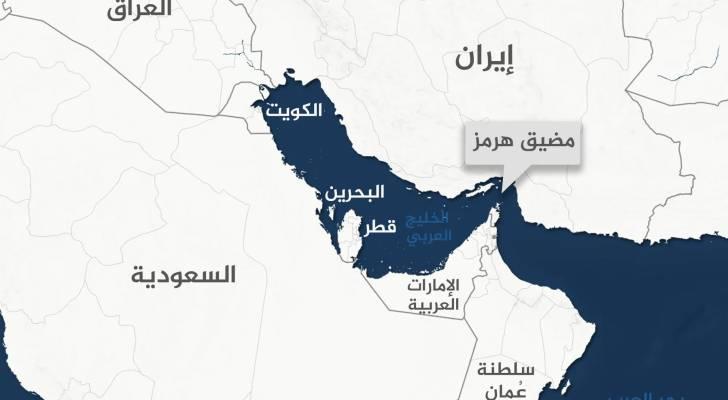
IRGC seized two ships in the Strait of Hormuz and escorted them to Iranian ports. Happened hours after Trump extended the ceasefire indefinitely.
The Jerusalem Post was read line by line by the Watchdog: 5.1. See the score →
Seizures After Ceasefire
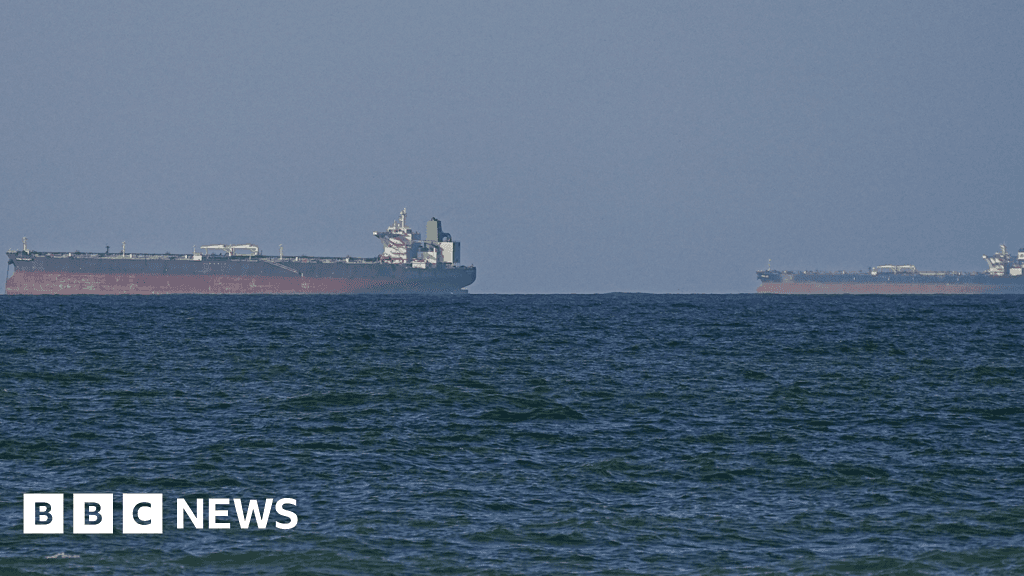
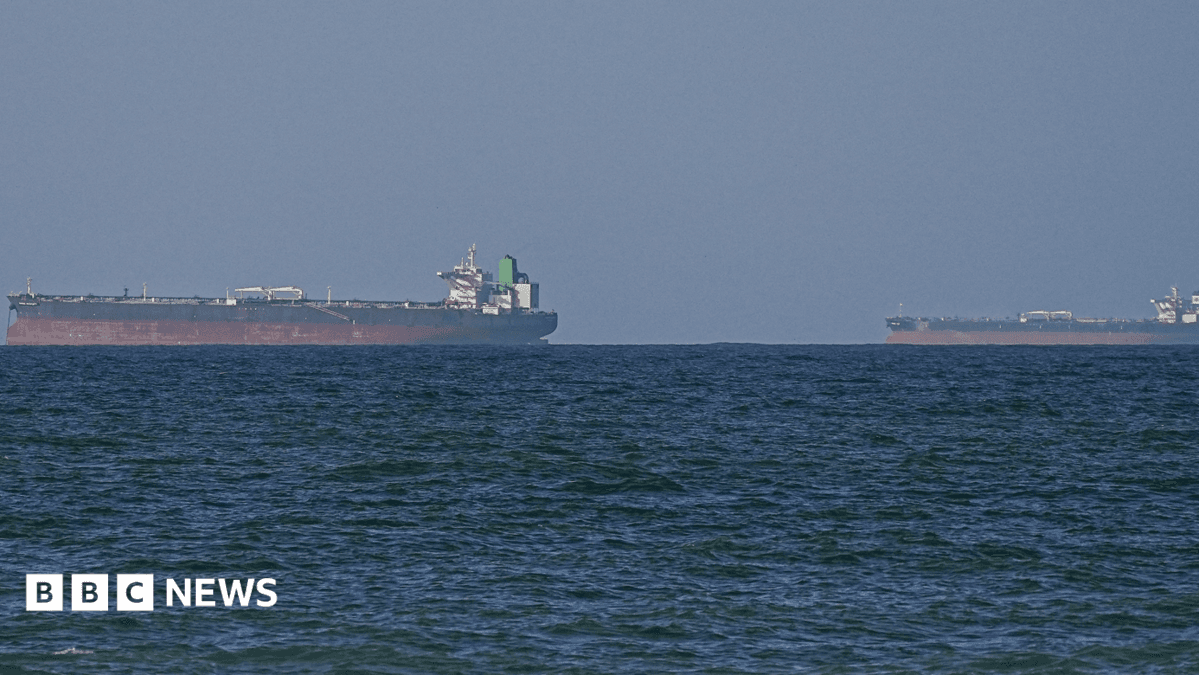
Iran seized two ships in the Strait of Hormuz hours after President Donald Trump extended a ceasefire with Tehran, escalating a standoff over maritime traffic that has become central to the war. Time Magazine reported that the Islamic Revolutionary Guard Corps Navy said Wednesday morning it had taken two ships, citing maritime violations, and that the vessels were escorted to Iranian ports “according to state media.” The BBC said Iran’s navy reported it had seized two cargo ships and taken them to the country’s coast after reports that three vessels came under fire from Iranian forces.
In the BBC’s account, Nour News said the IRGC opened fire on the first ship, which it called the Epaminodes, after it had "ignored the warnings of the Iranian armed forces". The BBC also reported that a second ship named Euphoria was stopped after being "fired upon", followed by targeting of a third vessel, the MSC-Francesca, according to BBC Verify.

The BBC further stated that IRGC Naval Command said both it and the Panama-flagged MSC-Francesca had been seized after endangering maritime security "by operating without the necessary permits and tampering with navigation systems". Time Magazine named the seized vessels as the Panama-flagged MSC Francesca and Liberia-flagged Epaminondas, and said a third vessel, Euphoria, was also reportedly targeted.
Gunfire, Names, and Permits
The seizure reports were accompanied by detailed descriptions of gunfire and navigation-related accusations, with multiple outlets naming the vessels and describing what happened at sea. The BBC said BBC Verify reported the IRGC stopped Euphoria after being "fired upon", and then targeted the MSC-Francesca, while it also said the first ship targeted on Wednesday morning was a Greek-owned vessel called the Epaminondas. The BBC added that the vessel was not transmitting a detectable signal while crossing the strait, according to data from Marine Traffic, and that reports from UK Maritime Trade Operations (UKMTO) and maritime intelligence firm Vanguard indicated the ship's master had been told the vessel had permission to transit the strait.
The BBC described the moment of attack as the ship being approached by an IRGC gunboat that opened fire and caused significant damage to the bridge. It also said Vanguard told BBC Verify the ship was hailed by the IRGC and "instructed to drop anchor", and that the vessel reported "damage to the hull and accommodation".
Time Magazine said UKMTO reported two vessels in the Strait had come under gunfire, including a master of one container ship reporting being approached by an "IRGC gun boat" which "fired upon the vessel" causing "heavy damage to the bridge." Forbes similarly described the UKMTO alert, saying an outbound cargo ship reported being fired upon around 8 nautical miles off the coast of Iran, near the strait, and that the update did not mention who carried out the attack.
Iran’s Rationale and U.S. Response
Iran’s actions were framed by Iranian officials as a response to what they described as ceasefire violations and continued U.S. pressure, while U.S. officials and the White House argued the seizures did not break the ceasefire.
“Leavitt told Fox News’ ‘The Story with Martha MacCallum’ that since the ships were not U.S. or Israeli vessels the seizure was not a violation of the ceasefire.”
In Time Magazine, Mahdi Mohammadi, an adviser to the Iranian parliament speaker Mohammad Bagher Ghalibaf, dismissed the extended break in fighting, saying, “Trump's cease-fire extension means nothing. The losing side cannot dictate terms. The continuation of the siege is no different from bombardment and must be met with a military response,” and he added, “Moreover, Trump's cease-fire extension is certainly a ploy to buy time for a surprise strike.”
The BBC reported that Iran’s chief negotiator Mohammad Bagher Ghalibaf said on Wednesday it was "not possible to reopen the Strait of Hormuz considering all the blatant violations of the ceasefire" and that such breaches included the US blockade of Iranian ports, which he said amounted to taking the global economy "hostage."
The BBC also said Masoud Pezeshkian later said the blockade and "breach of commitments" were obstacles to "genuine negotiations" with the US.
NBC News quoted Trump as saying he was extending the ceasefire indefinitely so Iran’s leaders “can come up with a unified proposal,” while the U.S. naval blockade would continue.
In response to the seizures, USA Today reported that White House press secretary Karoline Leavitt said Trump would not call off the blockade of Iranian ports, and NBC News reported Leavitt told Fox News that “No, because these were not U.S. ships. These were not Israeli ships. These were two international vessels.”
Forbes also reported Leavitt called the seizures an act of “piracy” and said the use of small gunboats showed that Iran’s navy had been destroyed and that Iran does not have control over the Strait of Hormuz.
Diplomacy, Personnel, and Markets
The seizures landed amid shifting diplomatic signals and U.S. political and military adjustments, while global energy markets reacted to renewed instability.
Time Magazine said the reports marked “a significant escalation” and that it was the first time Tehran had seized ships since the start of the war on Feb. 28, while it also said Washington was on standby for further peace talks to take place in Islamabad, Pakistan, and that it remained unclear if Tehran planned on participating.
The BBC reported that the interceptions came hours after Trump extended a two-week ceasefire with Iran until talks between the two nations come to a conclusion, and that Iran’s foreign ministry earlier told the BBC that Tehran had still not decided whether it will attend.
NBC News added that Vice President JD Vance had been expected to lead a delegation to Pakistan, but that a second round of negotiations was now uncertain.
USA Today reported that Pentagon spokesperson Sean Parnell announced Secretary John C. Phelan’s exit Wednesday afternoon, and that Undersecretary Hung Cao would replace Phelan as acting secretary of the Navy.
In parallel, Time Magazine said the price of Brent crude oil saw a jump of more than 1.8% on Wednesday, reaching over $100 per barrel, and it cited the International Energy Agency saying the Iran war has resulted in the “biggest” energy crisis in history.
CNBC reported that ship traffic through the Strait of Hormuz remained very light on Wednesday, with at least eight ships transiting including three oil tankers, and it said traffic was way below normal levels before the war when more than 100 ships crossed the strait daily.
Competing Narratives and Next Steps
Outlets diverged in how they characterized the seizures, the likelihood of reopening the strait, and the immediate political consequences, even while agreeing on the basic fact that Iranian forces seized two ships after attacks. The Guardian emphasized the difficulty of reopening and quoted Mohammad Bagher Ghalibaf saying it would be “impossible” while the US and Israel committed “flagrant” breaches of the ceasefire, including the US naval blockade and “the hostage-taking of the world’s economy.” The Guardian also described the seizures as the first time Iran has taken control of ships since the beginning of the war on 28 February, and it reported that a UK-based maritime security monitor said a vessel was approached by an Iranian gunboat that then fired upon it causing “heavy damage to the bridge.”
CNBC, by contrast, framed the situation as the strait remaining “basically closed” and said Trump’s decision to unilaterally extend the truce had not opened the strait, while it reported that Iran was still trying to control ship traffic and that the U.S. imposes a blockade of Tehran’s ports and vessels. The BBC offered a more detailed chain of custody and verification, saying the two vessels will have their cargo and documents examined, and it reported that Greece’s Foreign Minister Giorgos Gerapetritis said he could not confirm that the Epaminondas had been detained.
In the Reuters text carried by gCaptain, Iran’s Revolutionary Guards warned that any disruption to order and safety in the strait would be considered a “red line,” and it described Iran’s de facto control as tightening after U.S. seizure of Iranian vessels. Looking ahead, the BBC reported that Iran’s chief negotiator said it was "not possible" to reopen the strait under the current ceasefire conditions, while NBC News and USA Today described continued U.S. blockade and uncertainty over peace talks, and Time Magazine said the path toward a sustainable end to the war was unclear.