Full story
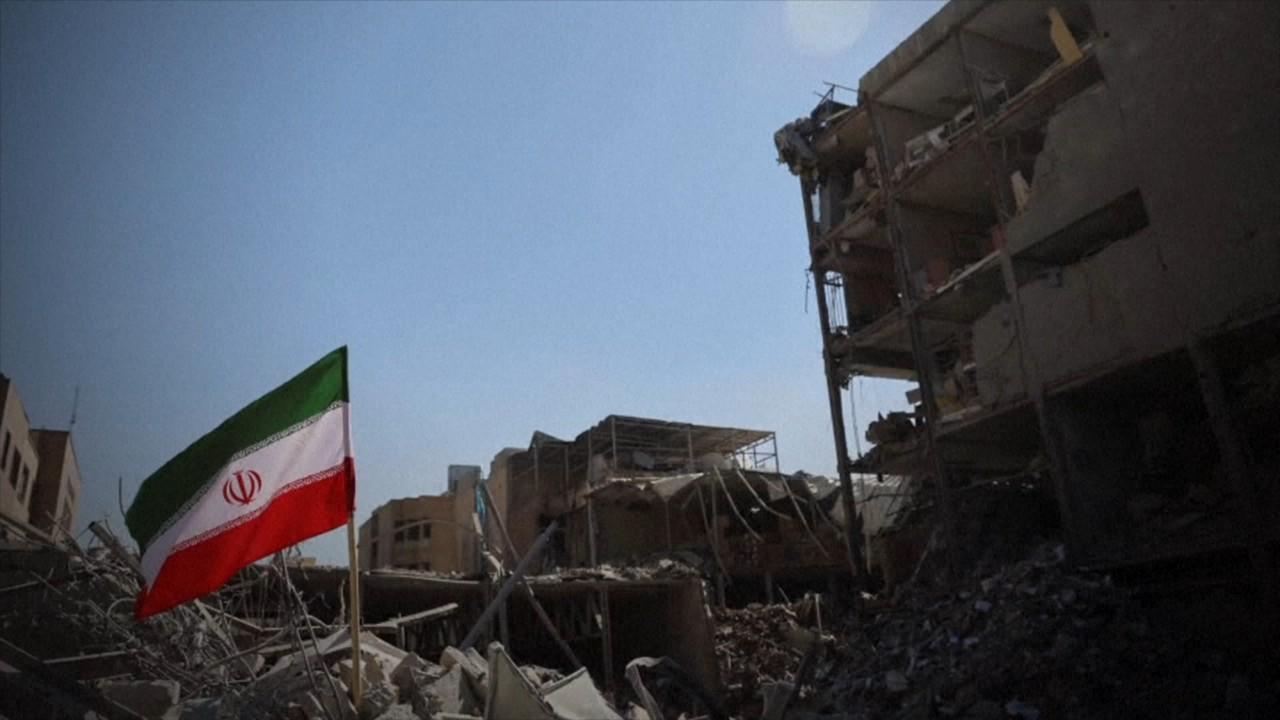
Iran strikes and retaliation
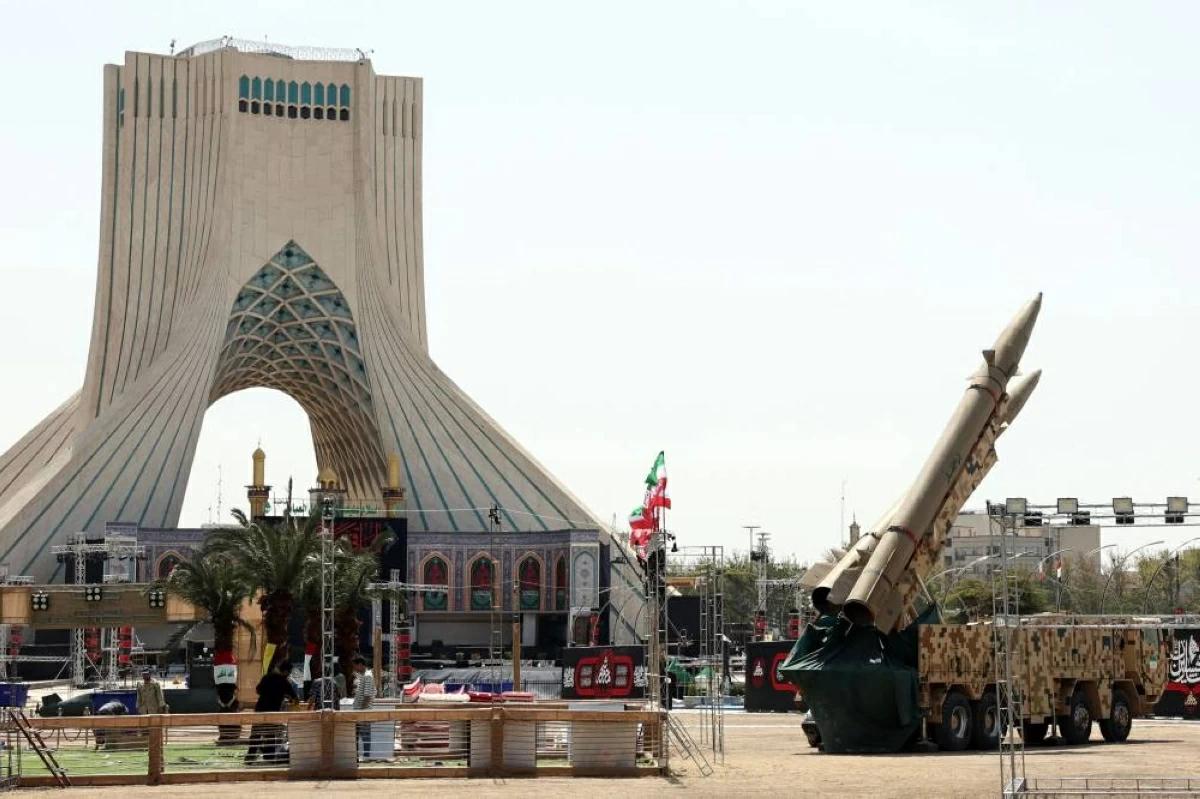
Iran launched salvo after salvo of missiles at Israel on Sunday evening, in response to an Israeli bombardment that earlier targeted Beirut's southern suburb, and the Israeli army announced that its defense systems were intercepting missiles launched from Iran toward Israel.
“Military and strategic expert, Brigadier General Hassan Joni, said that the nature of Iran's latest attack on Israel suggests that Tehran intended to send a limited, targeted military message rather than seeking to open a wider confrontation or return to a full-scale war as in previous rounds of escalation”
The Islamic Revolutionary Guard Corps issued a statement on Sunday evening saying: "Our missile units and the drone forces carried out an attack targeting deep inside northern Israeli cities and their vital military facilities."

In Israel, the U.S. Embassy issued a security alert stating: "the U.S. Embassy has instructed all U.S. government personnel and their families to stay in their residences and be prepared to move to a secure shelter" until further notice.
In parallel, Ma'ariv reported that officers in the Israeli army believe the United States may be compelled to carry out a limited strike against Iran aimed at pushing it to sign an agreement to relinquish its nuclear weapons.
Trump presses Netanyahu
Israeli Prime Minister Benjamin Netanyahu spoke by phone with Donald Trump, who told Israel's Channel 12: "I will call Netanyahu now and ask him not to respond."
The same report said the Israeli military did not announce an attack on Iran after three rocket salvos targeting northern Israel, totaling about ten rockets, which the IDF said it intercepted all of.
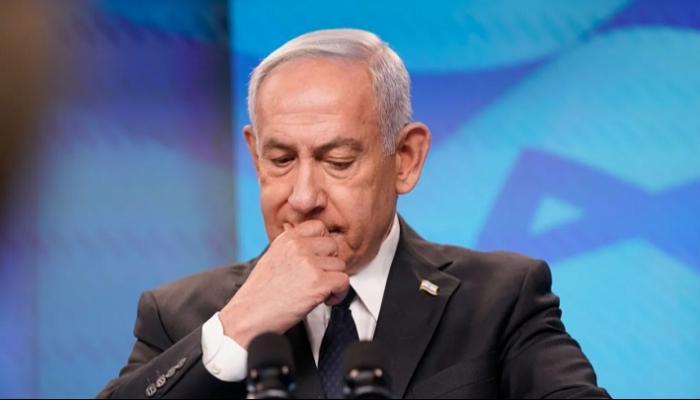
The Israeli army’s position was framed through its Chief of Staff Eyal Zamir, who said: "The Israeli army will strike the enemy with force as soon as the green light is given."
Former defense minister Avigdor Lieberman, leader of Israel Beiteinu, said on X: "Enough appeasement; we must respond immediately and harm Iran's strategic infrastructure."
Message, deterrence, and risk
Brigadier General Hassan Joni said Iran’s latest attack on Israel suggests Tehran intended to send a limited, targeted military message rather than open a wider confrontation or return to full-scale war.
“For decades, a dangerous illusion governed the Persian Gulf”
Joni tied the choice of the Ramat David air base to the fact that the Iranians announced it was the base from which aircraft participating in the Israeli raid on the southern suburbs of Beirut took off, and he said the geography was confined to the area north of Israel linked to the Lebanon front.
He also argued that Tehran’s rhetoric linked the strike to the targeting of the southern suburb to establish a deterrence equation related to the Lebanese arena rather than open a regional war, and he said the type of missiles used reflected a desire to convey a calculated political and military message.
The article said the next phase depends on the Israeli response and the level of military operations in Lebanon, because continued strikes on southern Lebanon or widening the strikes could push Iran to reconsider its escalation ceiling in the coming phase.