Full story
Pause amid interceptor worries
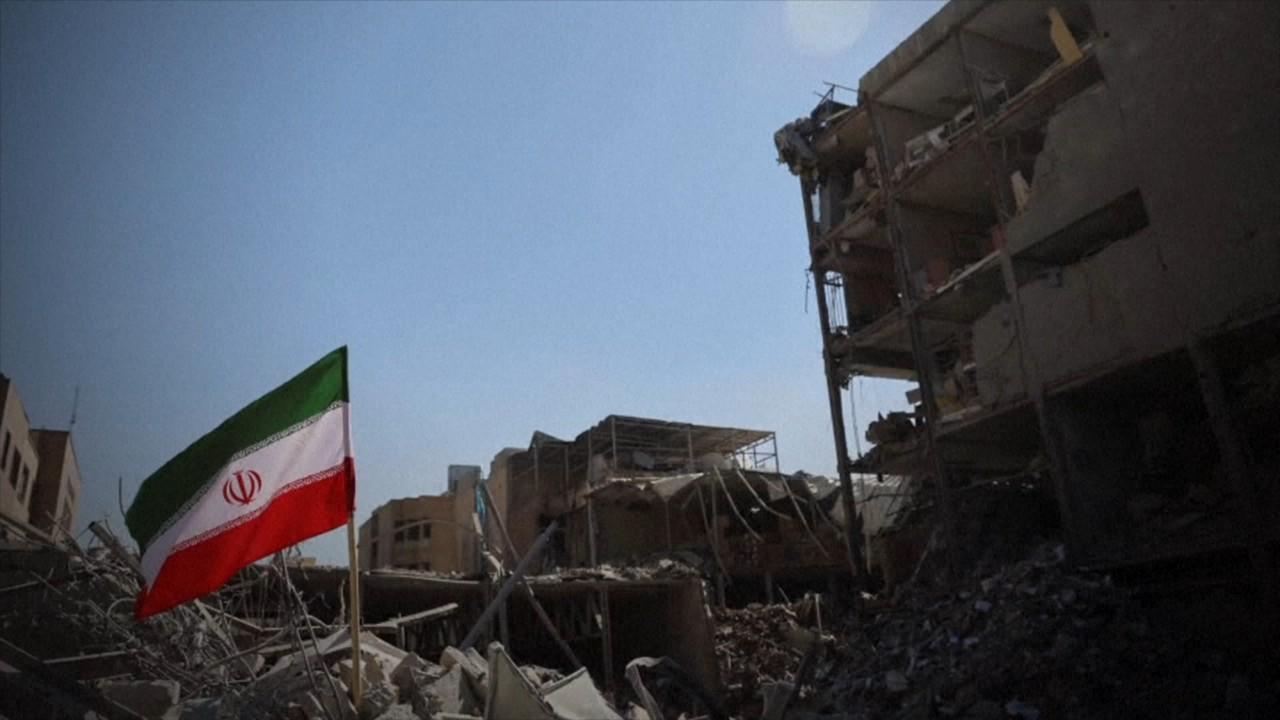
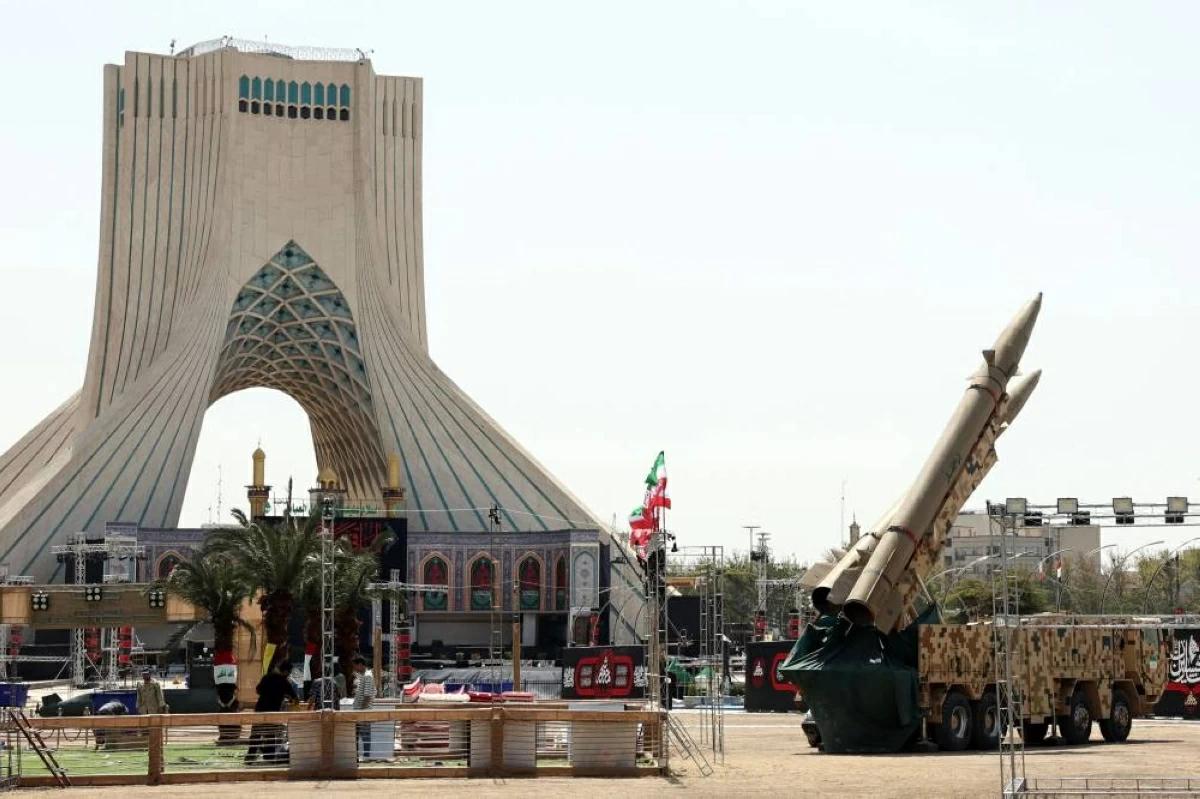
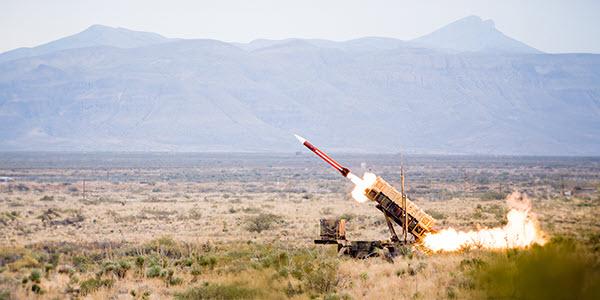
After nearly two weeks of nightly exchanges between Iran and the United States, the war was effectively on hold, with US media reports attributing the pause to concerns over dwindling Patriot interceptor stocks and other air-defence munitions.
“Trump pauses major escalation against Iran over dwindling US air defense missile stocks: Report Concerns include dwindling US air defense missile stocks, risk of wider regional war, according to New York Times Seyit Samil Kurt 26 July 2026•Update: 26 July 2026 İSTANBUL US President Donald Trump has paused plans for now to sharply escalate military operations against Iran amid concerns about dwindling American air defense missile stocks, the New York Times reported Saturday”
Ynetnews said the central concern in Washington was “the Pentagon’s shrinking interceptor stockpile,” and it linked the risk to bases in Jordan, Kuwait, Bahrain and the United Arab Emirates.

France 24 reported that “Another night has passed without further US air strikes on Iran” after the lull that followed nearly two weeks of nightly bombardments.
The same reporting tied the decision to the cost of defence failures, including a case where “U.S. troops were killed in Jordan after a ballistic missile penetrated air defenses” during a combined Iranian barrage of missiles and drones.
Ynetnews also said internal Defense Department estimates published in April found the United States had already used more than 1,200 Patriot interceptors during the war, each costing more than $4 million.
Officials warn, Trump weighs
Ynetnews described closed-door discussions in Washington in which Joint Chiefs of Staff Chairman Gen. Dan Caine warned that resuming large-scale fighting against Iran could “dangerously reducing the number of interceptors available to U.S. Central Command.”
France 24 reported that Vice President JD Vance and Dan Caine raised concerns about escalation at a White House meeting on Friday, and it said Caine told Trump the military could carry out options but warned of possible implications.
In the same account of the pause, France 24 quoted Trump telling journalists, “We're talking to them right now. I think they're getting more and more serious,” while also saying on Friday that Iran faced a choice between a deal and strikes at a “much higher level”.
Ynetnews added that Brig. Gen. (res.) Eran Ortal cautioned it remains impossible to know whether interceptor shortages were the decisive reason for Washington’s decision to halt its attacks, while still arguing the shortage reflects a deeper strategic problem.
France 24 further reported that Iran’s army warned on Sunday that the Middle East war would widen if the US chose to press ahead with attacks, with army spokesman Mohammad Akraminia telling state television that “geographically this will expand further.”
What’s at stake next
Ynetnews said the interceptor crisis threatens Israel as well, even as it noted Israel’s “substantial domestic production capacity,” because Patriot and THAAD interceptors have been used extensively against ballistic missiles, cruise missiles and drones.
“US holds fire against Iran as media reports say Washington's stockpiles are dwindling Another night has passed without further US air strikes on Iran after nearly two weeks of nightly bombardments”
It also framed the strategic stakes around a shift in missile warfare, with Ortal warning that over the past 30 years ballistic missiles have become a strategic threat, including missiles “capable of sinking an aircraft carrier from thousands of kilometers away.”
France 24 said the pause has revived hopes of a return to negotiations after nearly two weeks of consecutive nightly US bombardments, while also reporting that US media said the pause could reflect pressure on stockpiles of Patriot interceptors and other defensive weapons.
Ynetnews described how interceptors have become extremely expensive relative to the threats they are used against, noting that “They are also highly complex to manufacture,” and it placed Patriot as the lower tier of interception below longer-range systems including ship-launched SM-3 interceptors and THAAD.
France 24 reported that the strategic Strait of Hormuz remains the central flashpoint with Washington, and it said Foreign Minister Abbas Araghchi told state television there is “there is no military solution,” while offering to broker talks between the Houthis and Riyadh.