Full story
Pause opens a window
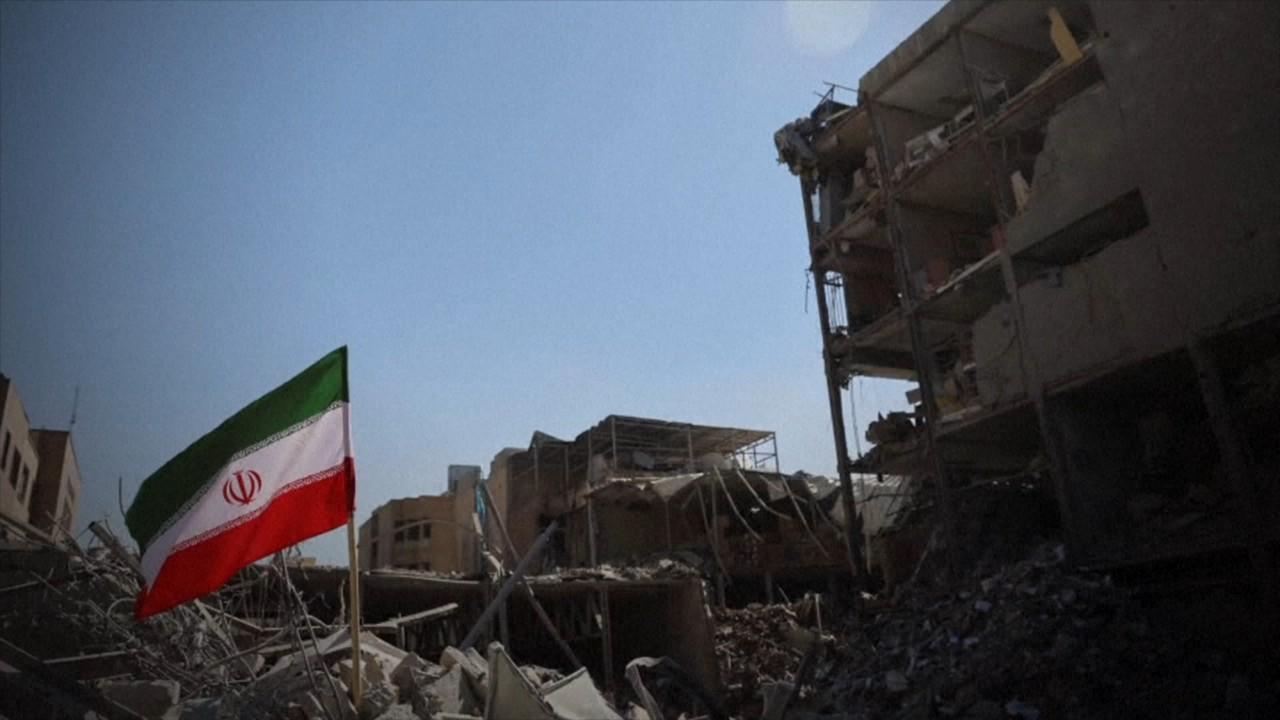
The United States paused its bombing campaign against Iran for a second consecutive night after nearly two weeks of escalating military action, with US ambassador to the United Nations Mike Waltz telling Fox News that Trump suspended strikes to create space for negotiations.
“Airstrikes have paused and talks are pressing forward”
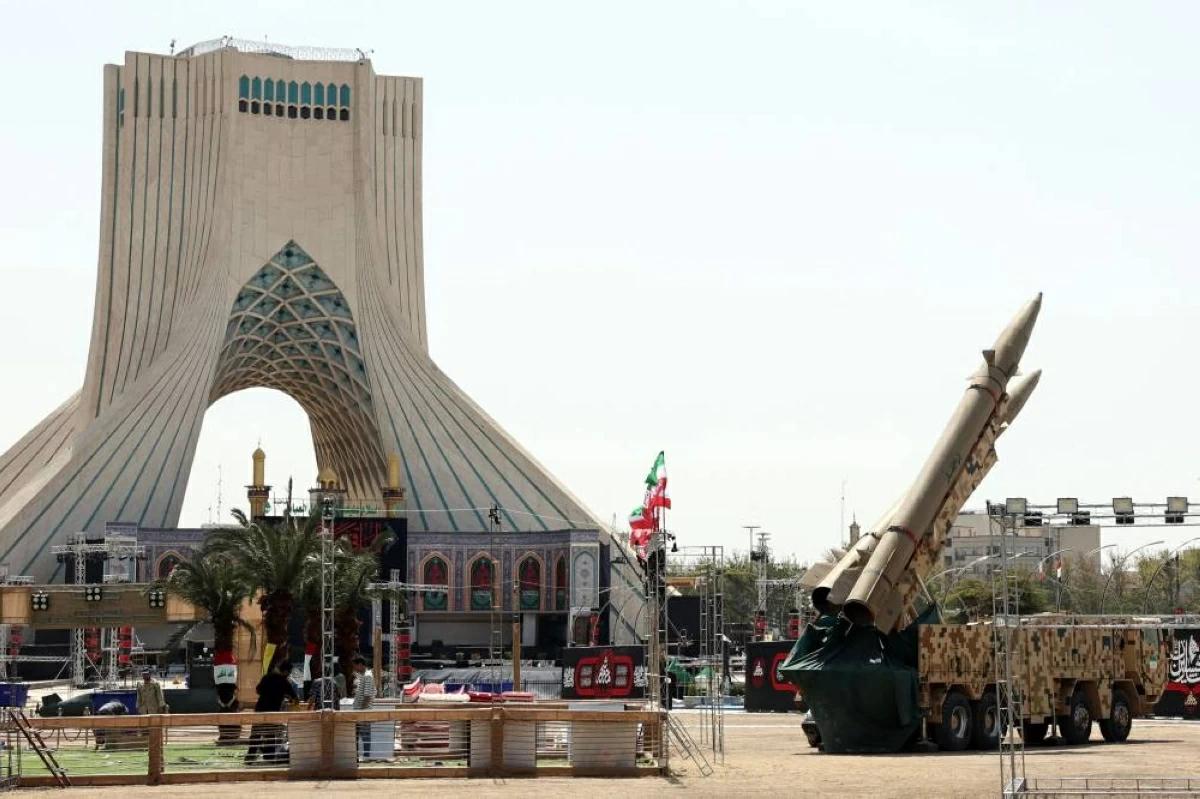
A senior Iranian official told Reuters that Tehran would also refrain from retaliatory attacks for as long as the United States held its fire, saying, "Iran's position remains 'attack for attack': if the attacks stop, Iran will also halt its operations."

The pause followed reports that senior US military officials advised President Donald Trump the bombing campaign had reached the limits of its effectiveness, while warning American stocks of key munitions were being depleted.
Before the pause, the United States carried out a 13th consecutive night of strikes on Friday, targeting what the military said were Iranian command centres, drone storage facilities and maritime capabilities linked to the Islamic Revolutionary Guard Corps.
Iran’s foreign ministry spokesperson Esmaeil Baghaei said messages continued to be exchanged with Washington through mediators, while accusing the US of previously having "betrayed" negotiations.
Talks, but distrust persists
Waltz said on Fox News that Trump was giving talks "some space" and "a little bit of room," while Reuters reported that the senior Iranian official’s message had already been conveyed to the United States.
The BBC reported that a Reuters source said, "Iran's position is still to respond in kind: if the attacks stop, Iran will stop its operations as well," while also noting the prevailing view that the pause was tactical rather than real.

CNN said Vice President JD Vance and Chairman of the Joint Chiefs of Staff Gen. Dan Caine raised concerns about escalating the war in Iran as Trump weighed the possibility during a White House meeting on Friday.
In the same CNN account, White House Communications Director Steven Cheung said Trump preferred a diplomatic solution but warned, "if Iran continues terrorist activities in the (Strait) of Hormuz or against allies, all options will be preserved."
The BBC also said Netanyahu announced he would travel to Washington on Monday to meet Trump and discuss regional security, including Iran, where he is expected to urge a hardline stance toward Tehran, especially regarding its nuclear program.
Regional spillover and next risks
Even with no US attacks reported on July 25 or July 26, the conflict widened as Iran accused Ukraine of attacking a merchant vessel in the Caspian Sea, with Iran’s foreign minister Abbas Araghchi blaming Volodymyr Zelenskyy and warning the attack "cannot go unanswered."
“Messages between the United States and Iran continue, amid a conditional pause in attacks between the two sides”
SBS reported that Iran’s accusation came as Iran also launched drones and missiles towards US military facilities in Bahrain, Kuwait and Jordan before the pause, and that authorities in Bahrain, Jordan and Kuwait said their air defence systems intercepted many of the attacks.
The BBC said Iranian military spokesman Mohammad Akrimi Nia warned that if the Americans were duped again by the Zionists, or went along with them and insisted on continuing the war, "the geographic scope of the war will widen."
Anadolu Ajansı reported that mediators Pakistan and Qatar intensified exchanges between the US and Iran after the pause, citing Pakistani government sources, and said a source cautioned the pause was fragile with a "strong" possibility of violations or another flare-up of hostilities.
The Straits Times added that US military officials had cautioned the campaign had largely exhausted pre-selected sets of targets, while General Dan Caine cautioned privately to Trump that resuming major combat operations would carry risk given the negative impact on stocks of munitions, including interceptors used by US air defenses in the Middle East.