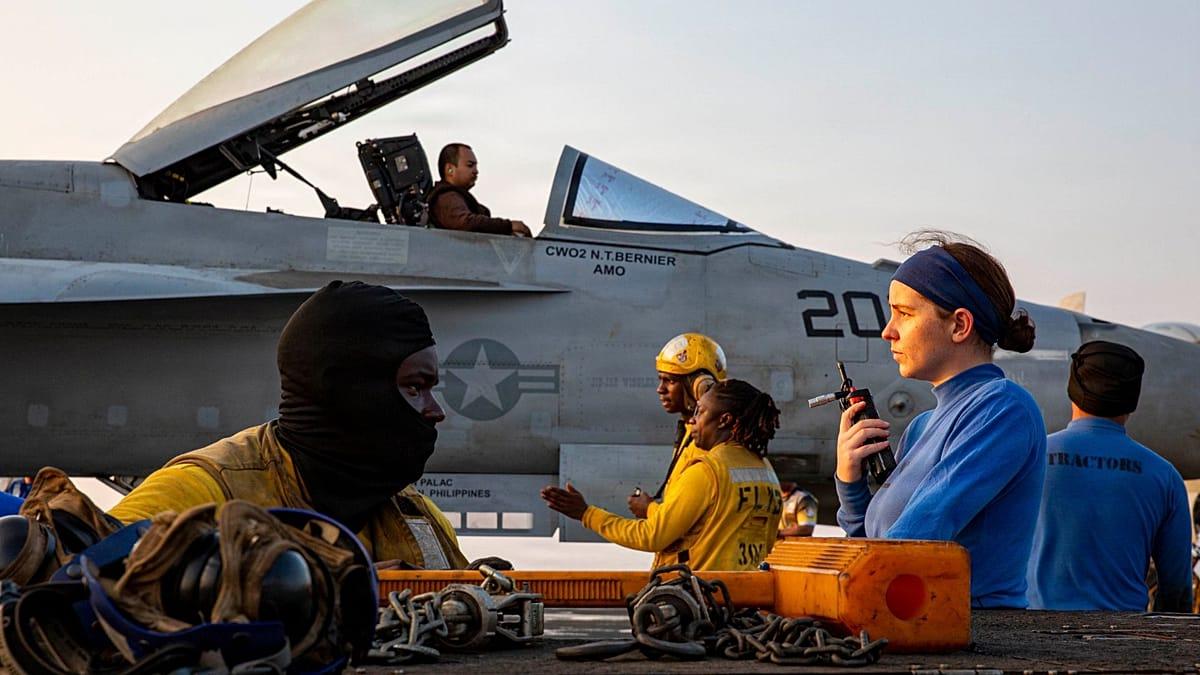
Iran’s Military Leadership Says Army Is Ready For Long-Term War To Make Enemies Regret
Key Takeaways
- Iranian Army frames conflict as US-Israel war against Iran.
- Air Force conducted sorties against enemy bases in Iraq, Kuwait, Qatar, including Erbil.
- Iranian drones and rockets targeted a US hub in Iraq overnight.
Iran vows long war
Iran’s military leadership portrayed the conflict as far from over, with Brigadier General Mohammad Akraminia telling Mehr News Agency that the army is “ready for long-term war to make enemy regret.”
In an interview, Akraminia said the army’s air forces attacked “enemy bases in the countries of the region, including the adversary bases in Erbil, Iraq, Kuwait, and Qatar,” and he cited a U.S.-linked report about “the successful operation of the Air Force's F-5 fighter jets.”

Akraminia said those F-5 jets “successfully penetrated the various layers of defense that the Americans had designed and targeted the American base,” and he added that during what he described as “the enemy's infiltration in southern Isfahan, the ground forces immediately took action and, with their quick reaction, shot down the hostile American aircraft.”
He also said Iran has used experiences from “the both 12-day and 40-day war” to prepare for a potential resumption of the war, while emphasizing that Iran “does not consider the war to be over as it does not trust the enemy.”
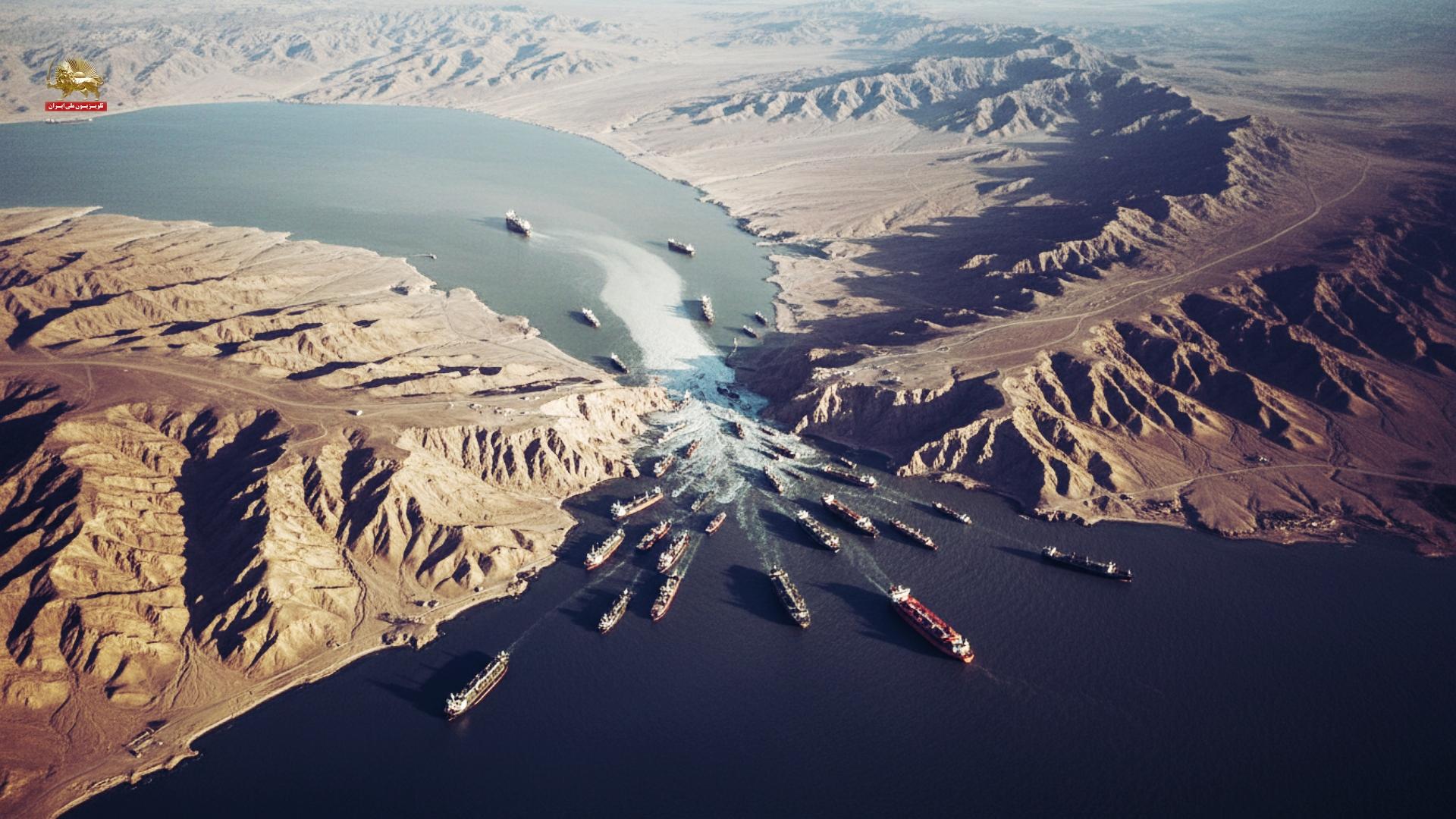
Akraminia later stressed that “the west of the Strait of Hormuz is under the control of the IRGC Navy while and the east of the Strait is controlled by the army,” framing the military posture as organized for sustained operations.
The same theme of prolonged readiness was echoed in PressTV, where Akraminia said Iran’s armed forces remain on “war footing” and that “For us, the situation remains a war situation.”
Ceasefire, training, targets
PressTV described Iran’s posture after a ceasefire as continued preparation rather than demobilization, quoting Akraminia saying, “We do not consider the war to have ended.”
He tied that stance to “our lack of trust in America and our enemies,” and he said that “From the day the fighting stopped, or as some call it, a ceasefire or silence on the battlefield,” Iran “have continued updating our targets, completing our target bank, continuing our training, and benefiting from wartime experiences.”

PressTV also stated that the war began on February 28, describing it as “unprovoked US-Israeli aggression” that included “the assassination of Iran’s late Leader, Ayatollah Seyyed Ali Khamenei,” and it said Iran responded with “100 waves of retaliatory strikes under Operation True Promise 4.”
The outlet further asserted that Iran launched “hundreds of ballistic and hypersonic missiles, as well as drones,” against “American military bases across West Asia and Israeli positions throughout the occupied territories.”
PressTV said a “two-week ceasefire brokered by Pakistan took effect on April 8,” but it added that “the truce has been violated by US actions, including a naval blockade of Iranian ports, which Tehran considers illegal.”
In the same interview, Akraminia warned that if “the enemy again commits aggression and threatens the security of this land, they will face a more crushing response than before,” and he said Iran has “many winning cards that we have not yet used.”
U.S. options and Israeli readiness
While Iranian officials emphasized long-term war readiness, other reports focused on U.S. and Israeli preparations and the possibility of extended operations.
In a Reuters-sourced report carried by باشگاه خبرنگاران جوان, two hawkish U.S. officials told Reuters that the U.S. military is preparing “for the possibility of a long, multi-week operation against Iran if Donald Trump, the country’s president, orders it.”
The same report said that on Friday “the Pentagon announced that it would dispatch another aircraft carrier to the Middle East and send thousands more troops along with warplanes, missile-launching destroyers, and other offensive and defensive capabilities to the region.”
It quoted Trump telling American forces at a base in North Carolina, “Sometimes there has to be fear. That is the only thing that really leads to resolving the situation.”
The report also included White House spokesperson Ana Kelly saying, “The president has all options on the table with regard to Iran,” and it noted that “The Pentagon declined to comment.”
In parallel, یورونیوز reported that Israeli security forces and emergency services were at the highest level of readiness, with the Israeli newspaper Yedioth Ahronoth saying Trump may “soon” carry out a broad attack because Iran “has not been able to meet Washington's demands in the negotiations.”
Competing timelines and framing
The sources also diverged on how close the conflict is to ending, and they framed the same broader confrontation with different emphases.
PressTV said Iran does not consider the war ended and described a “fragile ceasefire brokered by Pakistan” that took effect on “April 8,” while also asserting that “the truce has been violated by US actions, including a naval blockade of Iranian ports.”
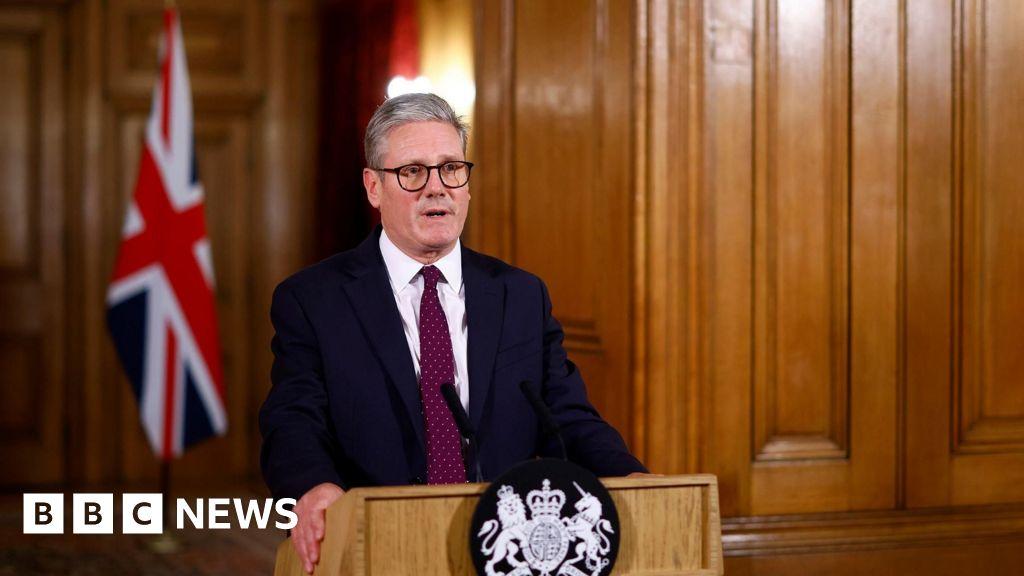
By contrast, بوابة الشروق reported that U.S. President Donald Trump repeated statements that the war against Iran is nearing its end, and it said Axios reported that the number of times he hinted at this had risen to “12.”
In the same report, Israeli officials were described as projecting continued fighting: Reuters was cited for an Israeli Defense Forces spokesperson Nadav Shoshani saying, “We stand ready to continue striking Iran for weeks to come.”
The report added that Netanyahu said the war had “passed the halfway point,” and it described the current objective as “eliminating Tehran's stockpile of enriched uranium.”
Meanwhile, یورونیوز described a fluid window for action, saying that a few days earlier officials spoke of possible action “within two weeks” and later “a deadline of about a month,” but that now there were signs the attack “may occur within the next few days.”
What comes next
Across the reporting, the next phase is presented as a mix of operational continuation, negotiation pressure, and escalating risk.
PressTV said Iran remains on “war footing” and that it has continued “updating our targets” and “completing our target bank,” while Akraminia warned that any renewed aggression would face “a more crushing response than before.”

It also said Iran has not yet decided whether to attend another round of talks, citing “contradictory US behavior and bad faith,” and it described the U.S.-Israeli war as including strikes on “nuclear facilities, schools, hospitals and bridges.”
In the Reuters-based report carried by باشگاه خبرنگاران جوان, the two U.S. officials said the planning is more complex than prior operations and that in a long-term operation the U.S. could target “Iran's state and security facilities, not just its nuclear infrastructure,” while warning that Iran’s retaliatory actions would raise the risk of a regional confrontation.
That report also said one official claimed the United States “fully expects Iran to retaliate,” which would lead to “attacks and counterattacks over a period of time.”
On the Israeli side, بوابة الشروق said Netanyahu’s current phase centers on “securing or removing Iran's enriched uranium,” and it quoted Netanyahu saying, “President Donald Trump called for removing these materials from Iran, and perhaps handing them over to international authorities.”
More on Iran
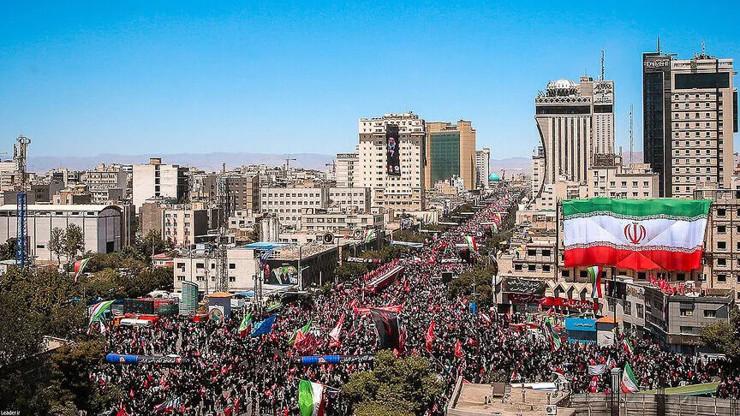
Israeli Strike Kills Ayatollah Ali Khamenei, Buried at Imam Reza Shrine in Mashhad
19 sources compared
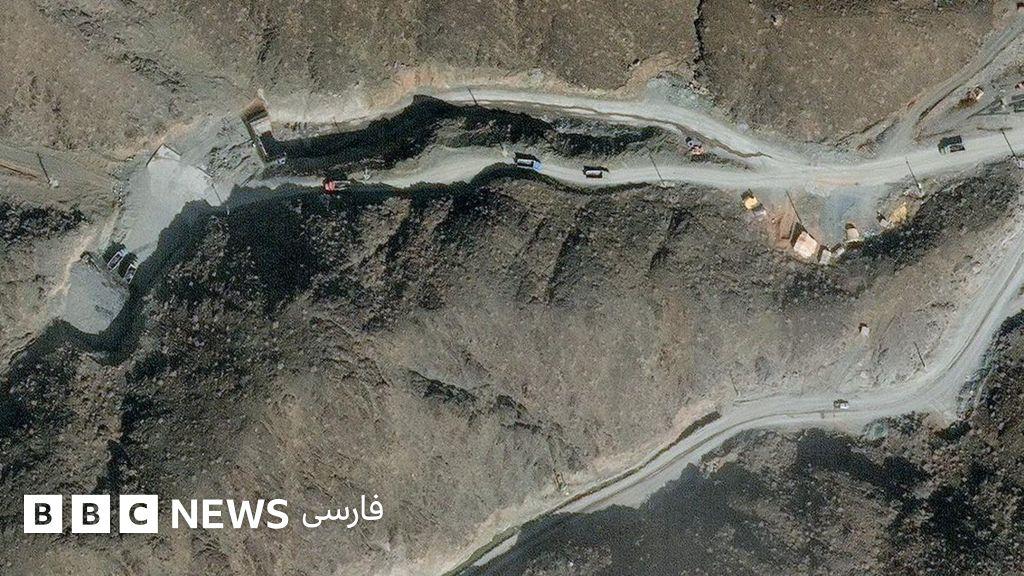
Iran Attempts To Restore Nuclear Sites Damaged In US And Israel Strikes, CNN Satellite Images Show
15 sources compared
Abbas Araghchi and Prince Faisal Bin Farhan Discuss Regional Developments After US Attacks
11 sources compared

Trump Says U.S. Agreed to Continue Iran Talks, Ceasefire Is Over
19 sources compared