
Iran’s Mohammad Bagher Ghalibaf Says Strait Of Hormuz Reopening Is Impossible Amid US And Israel Ceasefire Breaches
Key Takeaways
- Ghalibaf: Strait of Hormuz cannot be opened due to US-Israel ceasefire breaches.
- Blockade and 'hostage-taking' of the world economy cited as ceasefire breaches.
- Two ships seized in Hormuz as the US extends the ceasefire.
Hormuz reopening ruled out
Iran’s lead negotiator and parliament speaker Mohammad Bagher Ghalibaf said reopening the Strait of Hormuz is “impossible” under current conditions, citing what he described as “flagrant” ceasefire breaches.
In a post on X, Ghalibaf wrote that “A complete ceasefire only makes sense if it is not violated by the maritime blockade and the hostage-taking of the world’s economy and if the Zionist warmongering across all fronts is halted,” and he added that “Reopening theStrait of Hormuzis impossible with such a flagrant breach of the ceasefire.”

The Guardian reported that Ghalibaf said late on Wednesday that reopening the strait would be “impossible” while the US and Israel committed “flagrant” breaches, including the US naval blockade and “the hostage-taking of the world’s economy.”
BBC News similarly said Ghalibaf told the US talks that it is “not possible” for the Strait of Hormuz to be opened due to “the blatant violations of the ceasefire” by the US and Israel.
The BBC also quoted Iran President Masoud Pezeshkian saying Iran remains open to negotiations but “breach of commitments, blockade and threats are main obstacles to genuine negotiations.”
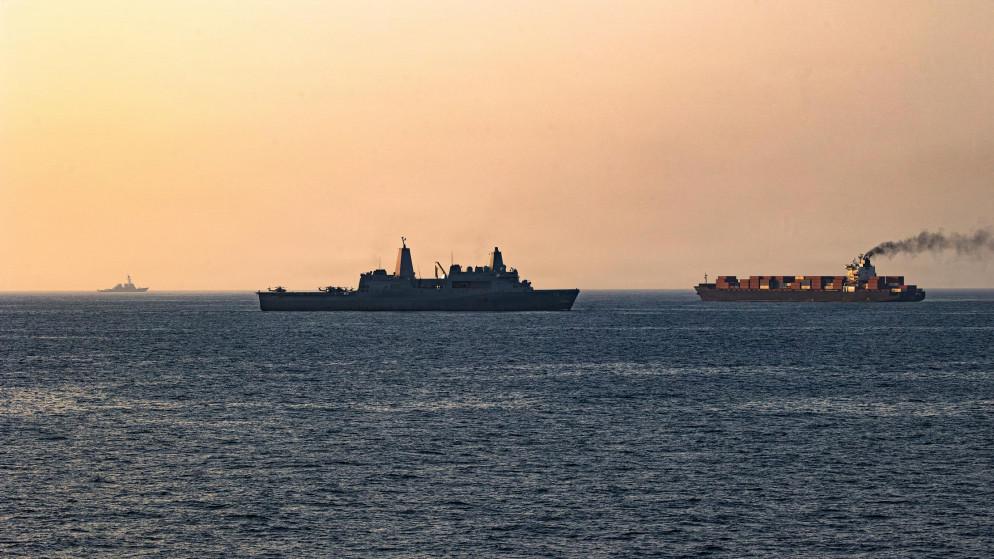
The standoff is tied to Iran’s actions in the waterway, with the Guardian reporting that Iranian forces seized two ships in the strait and that the seizures marked “the first time Iran has taken control of ships since the beginning of the war.”
Seized ships and attacks
Iran’s position is unfolding alongside seizures and reported attacks in the Strait of Hormuz, where multiple outlets described the same vessels and incidents.
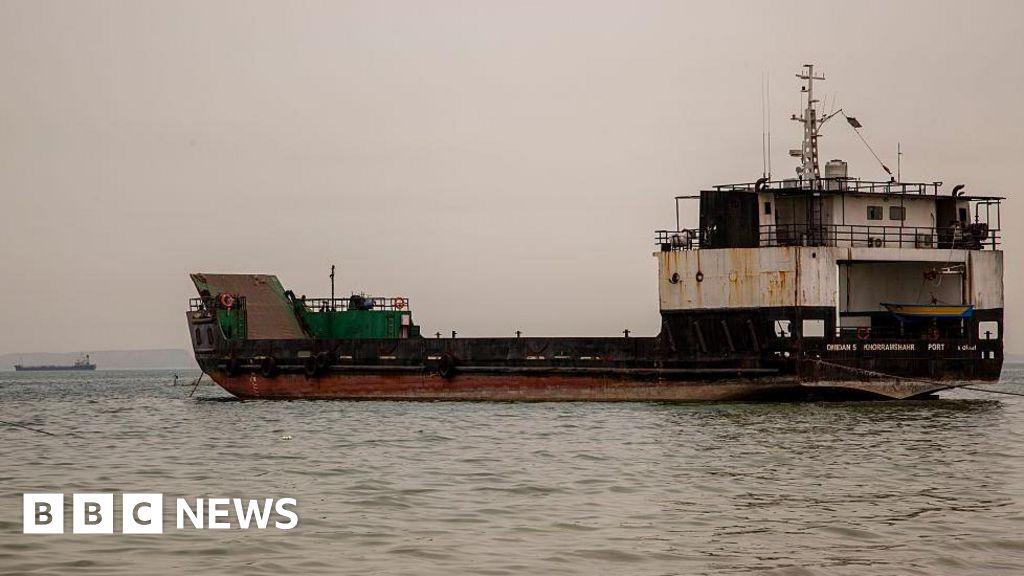
The Guardian said Iran’s Islamic Revolutionary Guard Corps (IRGC) stopped two ships attempting to cross the strait and brought them to shore, naming the Panama-flagged MSC Francesca and the Liberia-flagged Epaminondas.

Tasnim, described by the Guardian as affiliated with the IRGC, reported that the IRGC accused the two ships of “attempting to exit the strait of Hormuz covertly.”
The Guardian added that the Epaminondas is Greek-operated and that Greece’s foreign minister confirmed there had been an attack against a Greek-owned cargo ship.
BBC News reported that on Wednesday morning Iran said two cargo ships were taken in the Strait of Hormuz for “inspection,” and it said Iran “has said it seized the other two vessels - MSC Francesca and Epaminondas - both of which reported damage resulting from the attacks.”
BBC News also described an incident involving a third ship, Euphoria, saying it was attacked eight nautical miles west of Iran and that no damage or injuries to crew were reported, while Iran had not commented on Euphoria.
US response and timing
While Iran framed the seizures as part of a broader blockade-and-ceasefire dispute, the US response was presented as both a denial of breach and a continuation of pressure.
The BBC reported that White House Press Secretary Karoline Leavitt later clarified that Trump’s extension of the US-Iran ceasefire is open-ended and has “no new deadline,” and it said Leavitt added that Trump is “satisfied” with the ongoing US naval blockade against Iran.
The BBC also quoted Leavitt saying the US does not consider Iran’s seizure of two ships in the Strait of Hormuz to be a violation of the ceasefire, stating, “These were not US ships, these were not Israeli ships.”
Anadolu Ajansı reported that Leavitt said Trump does not view the seizures as violations of the truce he unilaterally extended Tuesday “because these were not US ships. These were not Israeli ships.”
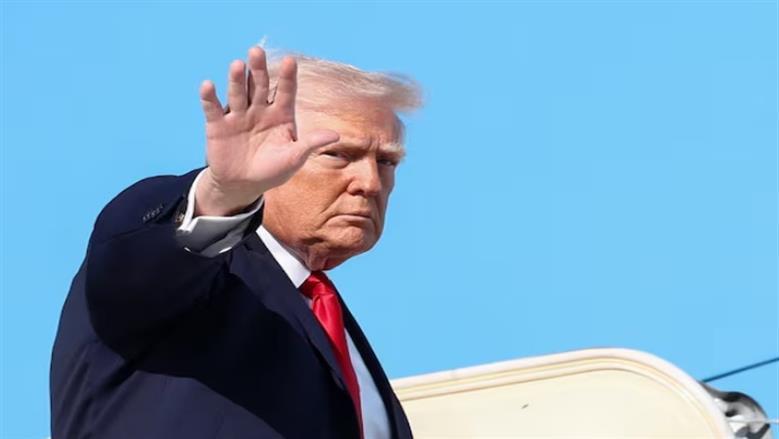
The Guardian described Trump’s threats and blockade stance as part of the same escalation, quoting Trump saying, “I expect to be bombing because I think that’s a better attitude to go in with,” and later adding, “We’re ready to go. The military is raring to go.”
The Guardian then said Trump later said he would not attack but would continue the blockade, and it described the standoff as raising doubts about whether stalled peace negotiations will resume.
Talks in Pakistan and refusal
The dispute over the strait is also shaping whether talks proceed, with Iran and the US taking different positions on participation.
CBS News reported that President Trump posted early Sunday that he was sending representatives to Pakistan for another round of negotiations with Iran, and it said sources told CBS News that Vice President JD Vance, special envoy Steve Witkoff and presidential son-in-law Jared Kushner will travel to Islamabad for the talks.
CBS News also said Iran state media reported Sunday that Tehran does not plan to be involved in the new round of talks due to the US blockade of Iranian ports.
It further said Iran’s parliamentary speaker told CBS News early Sunday that the Strait of Hormuz will remain closed “if the U.S. does not lift the blockade.”
CBS News also tied the refusal to the blockade to the broader ceasefire timeline, saying Iran and the United States, along with Israel, are just days away from the end of the two-week ceasefire that halted the Middle East war, ignited by surprise US-Israeli strikes on Iran on February 28.
The BBC added that the White House lack of a timeline for a return to negotiations in Pakistan or to kinetic strikes against Iran is likely strategic, and it quoted Leavitt saying “pragmatists” in Iran could come up with a peace proposal without pushback from hardliners.
Economic stakes and stranded shipping
The sources also describe the stakes as global shipping and economic disruption, with the strait’s closure and blockade affecting energy flows and seafarers.
“White House says Trump does not view Iran's seizure of ships as ceasefire violation Spokesperson Karoline Leavitt says president does not consider acts as breaches because ships are not US, or Israeli Michael Hernandez 22 April 2026•Update: 22 April 2026 WASHINGTON US President Donald Trump does not consider Iran's seizure of ships in the Strait of Hormuz as a ceasefire violation, the White House said on Wednesday”
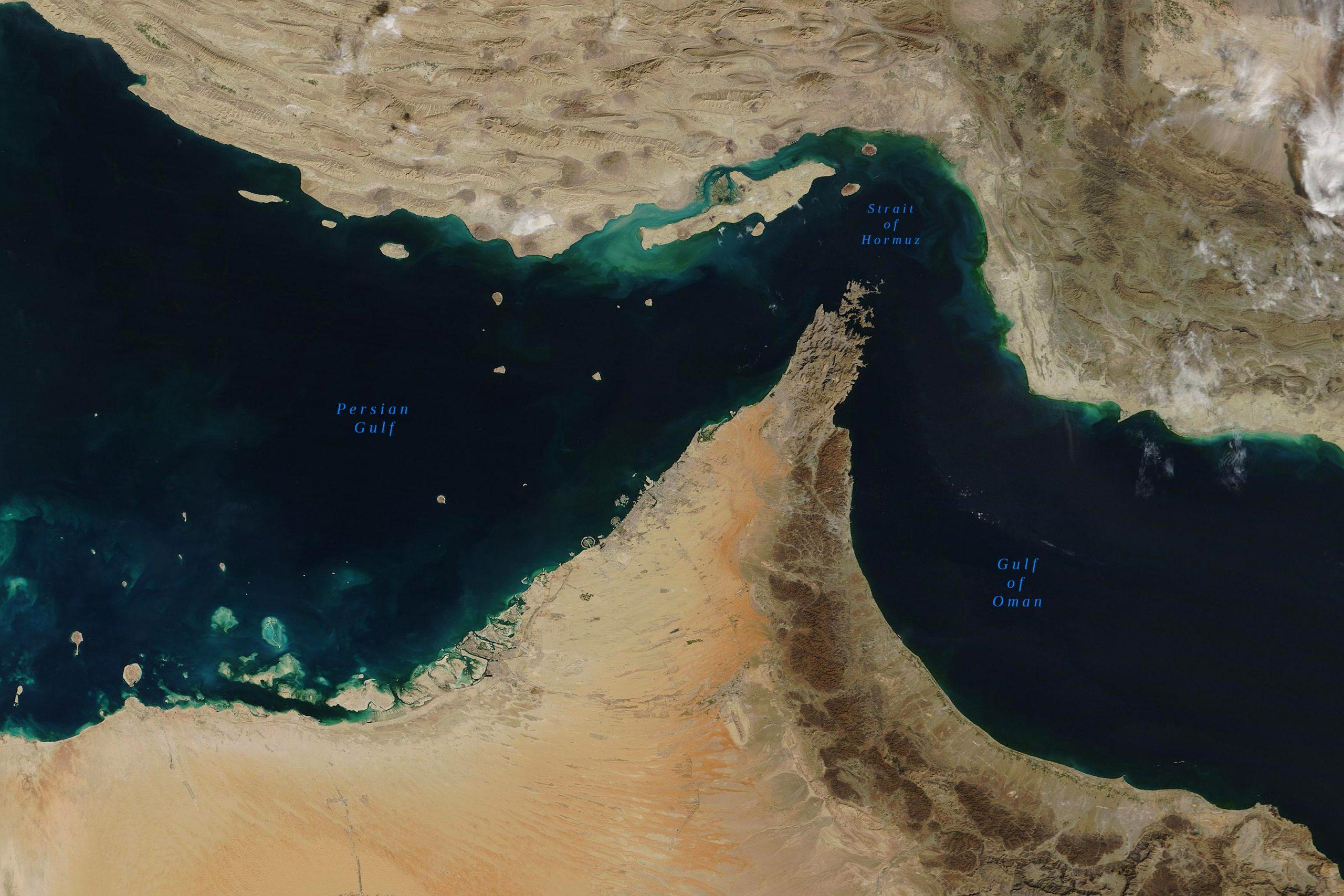
The Guardian said the standoff over the strait—through which “about 20% of the world’s oil and liquefied fossil gas passed through during peacetime”—has raised doubts about whether stalled peace negotiations will resume.
The Guardian also said Tehran’s forced closure of the strait of Hormuz has caused a “spiralling global economic crisis,” and it described fuel shortages in countries dependent on Gulf oil, including shortages of fuel, fertiliser and other raw materials that pass through the strait.
It added that even where the west is “better insulated,” it is “not immune,” and it cited Germany halving its 2026 growth forecast to 0.5% on Wednesday.
The Guardian also reported that Greece announced €500m (£434m) in extra aid for households and farmers, quoting Kyriakos Mitsotakis saying, “The nation’s economy is holding up and doing better than expected. However, the stress of the supermarket, the expenses of children, more expensive fuel and the care of the elderly remain.”
For maritime impacts, the Guardian said the head of the UN maritime agency appealed for help for thousands of seafarers stranded in the Gulf by the strait of Hormuz closure, and it stated that “About 20,000 seafarers and 2,000 ships have been stranded, according to the International Maritime Organization (IMO).”
More on Iran
Trump Extends Ceasefire as US-Iran Peace Talks Stall and Strait of Hormuz Tensions Rise
22 sources compared
Iran Fires on Three Ships and Seizes Two in Strait of Hormuz, Trump Extends Ceasefire
28 sources compared

Trump Extends Iran Ceasefire While US Keeps Naval Blockade in Strait of Hormuz
18 sources compared
Iran’s Islamic Revolutionary Guard Corps Seizes Two Ships in Strait of Hormuz After Trump Ceasefire Extension
20 sources compared